



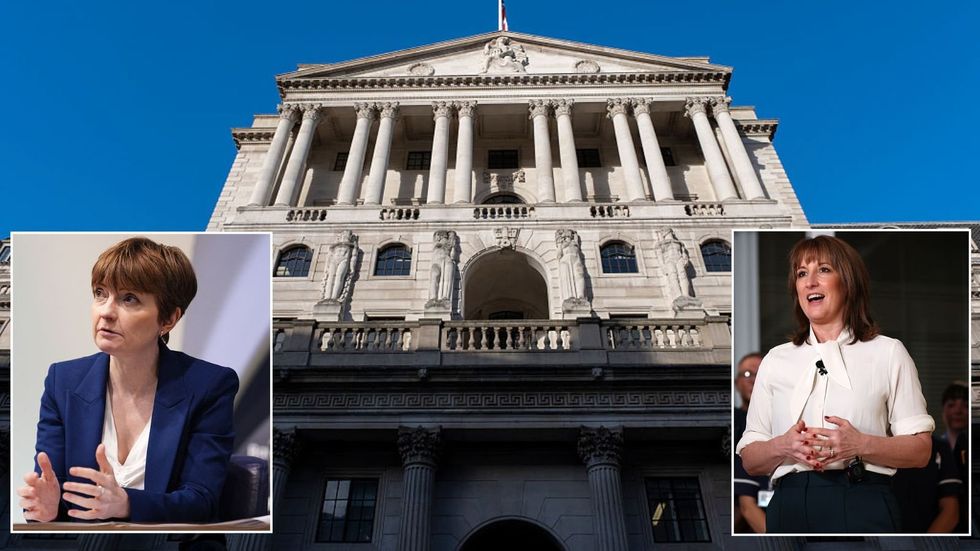
The Bank of England deputy governor has told MPs that Rachel Reeves’s November Budget is set to push down price rises.
Clare Lombardelli appeared before the Treasury committee, where she said the Chancellor’s fiscal measures would reduce inflation by between 0.4 per cent and 0.5 per cent from the second quarter of 2026.
She said the fall would be driven by key decisions made in the Budget, including the cap on fuel duty, reductions in household energy bills and a freeze on rail fares.
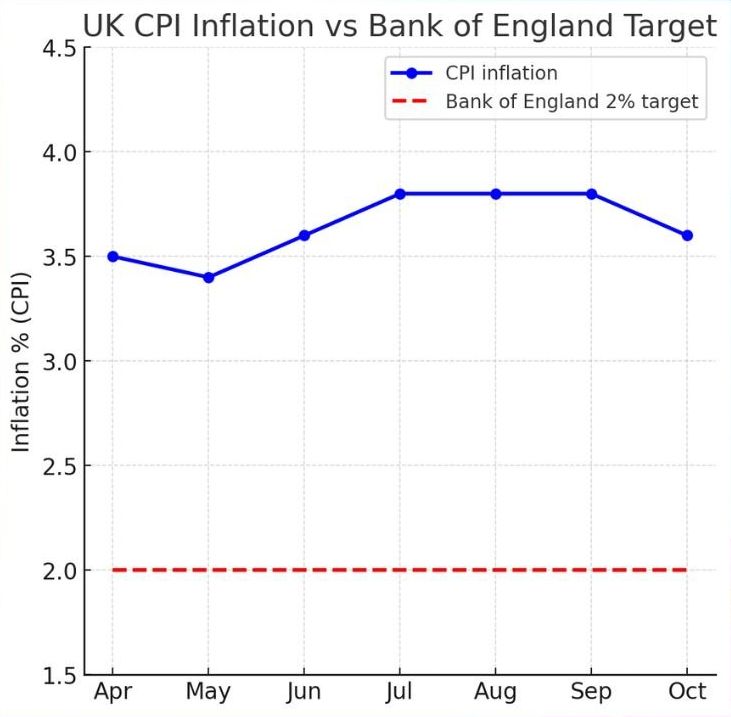
Ms Lombardelli set out that these policies would have a measurable effect on headline prices at a time when inflation stands at 3.5 per cent and is forecast to fall to 2.5 per cent in the coming year.
With inflation running at 3.5 per cent, the combined measures are intended to give households clearer relief from the elevated living costs that have shaped the wider economic environment.
The Office for Budget Responsibility (OBR) has separately assessed the Budget’s deflationary effect at 0.4 per cent.
Its forecasts suggest the path back to price stability is strengthening, with inflation expected to fall to the Bank of England’s two per cent target from 2027.
Ms Lombardelli set out the Bank’s calculations to MPs and said: “We think it will reduce inflation by between 0.4 per cent and 0.5 per cent for a year from the second quarter of 2026”.
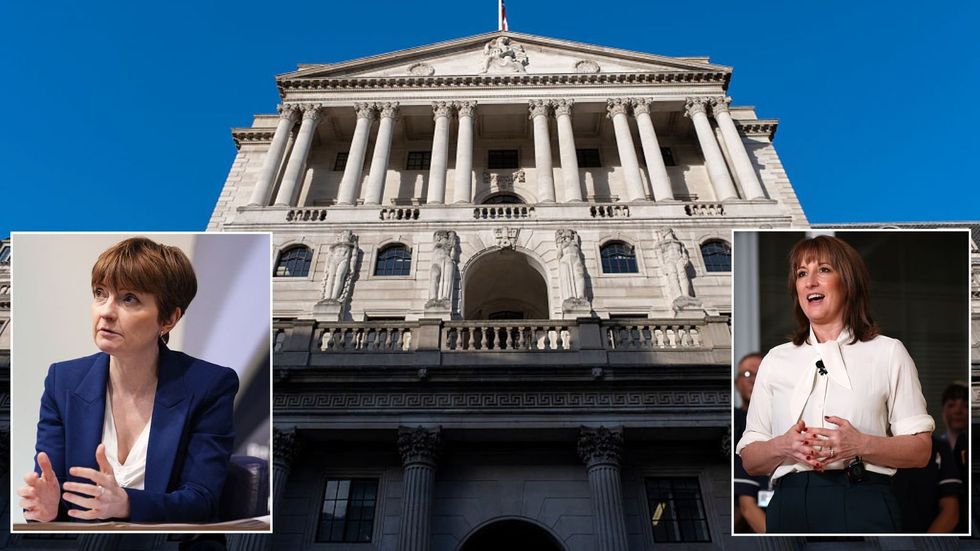
She added the effect was “purely a mechanical effect of the changes in energy prices, fuel duty, lesser electric vehicles and rail”.
She went on to say: “That will just shift inflation. That is by far the biggest impact for us”.
The Treasury and the Bank of England now share a broadly similar view of how the policies will shape the inflation outlook, with both institutions pointing to the same set of drivers.
Ms Reeves used her November Budget to extend the 5p reduction in fuel duty until September of next year, a measure designed to maintain support for motorists.
LATEST DEVELOPMENTS
- Bank of England issues urgent economy warning as employers cut staff at fastest pace since pandemic
- Nationwide mortgage overhaul ahead of Bank of England interest rate decision – full list
- Mortgage disaster as four million households face £768 repayment rise, Bank of England warns
The removal of green levies from household energy bills is expected to save families £88 per year according to Treasury estimates.
A further £59 in savings comes from ending a customer-funded insulation scheme that previously supported lower-income homes.
Rail passengers will be shielded from annual price rises until March 2027, breaking with long-standing practice during a period of uncertain wage growth.
However, the Budget also introduced new charges for electric vehicle owners, including a 3p per mile road tax from April 2028.
Plug-in hybrid vehicles will face a 1.5p per mile charge under the same framework.
Ms Lombardelli said the wider growth impact of the Budget would remain limited.
She told the committee that while GDP is expected to see a short-term rise of 0.2 per cent in 2027, the overall effect on long-term expansion would be “quite small”.
“There is an effect there”, she said, while making clear that the policies were not designed to generate sweeping economic changes.
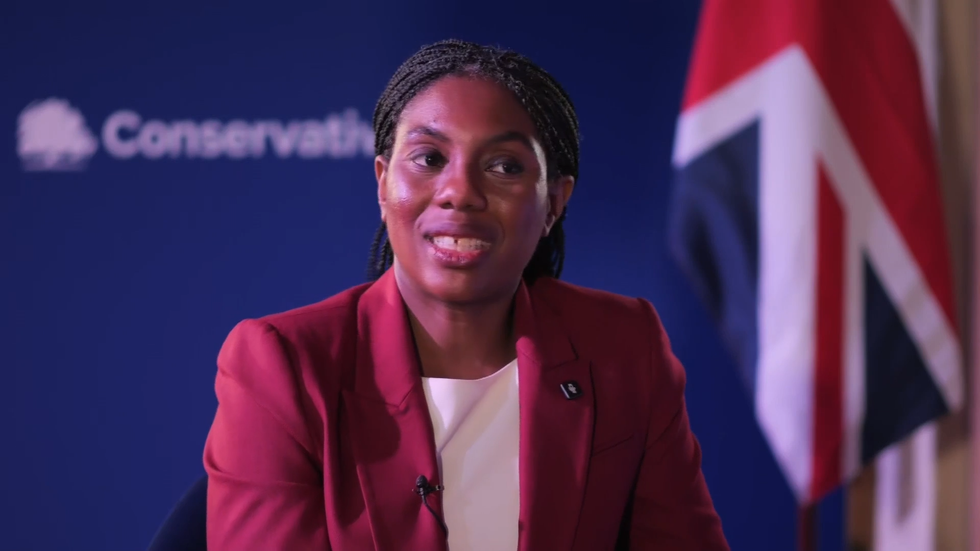
The Conservative leader Kemi Badenoch challenged the evidence, arguing that rising prices can be traced back to earlier fiscal decisions.
Mrs Badenoch said inflation had been “stoked by her tax and spend decisions” in the 2024 Budget and suggested the Government was now attempting to address pressures it played a role in creating.
Our Standards:
The GB News Editorial Charter



Follow