


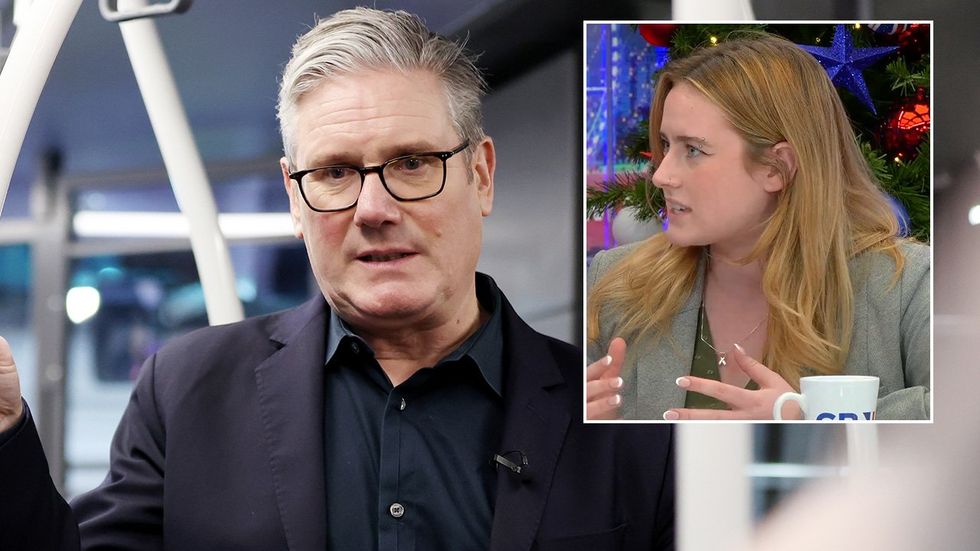
Sir Keir Starmer “continues to be proved wrong” and JD Vance “continues to be proved right” on Britain’s free speech crackdown, Connie Shaw has told GB News.
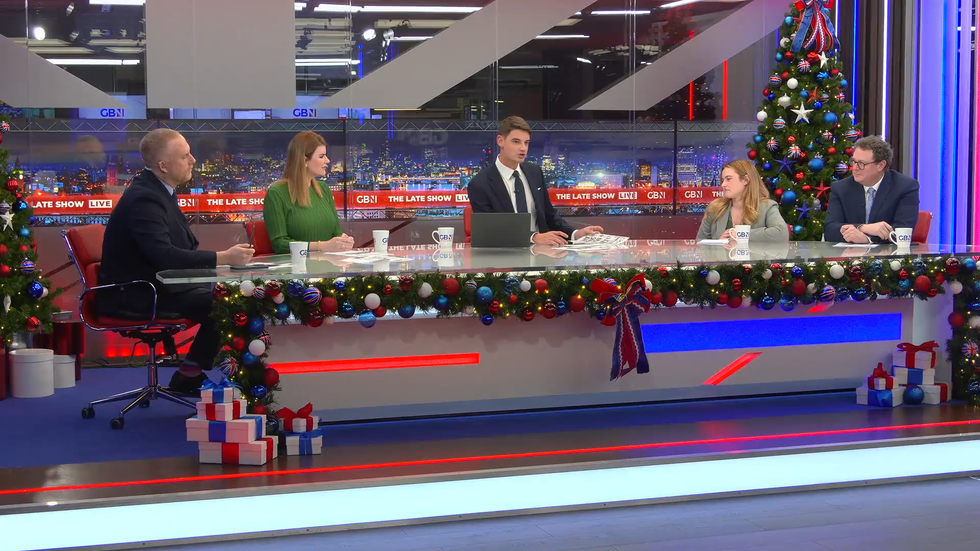
Speaking to Late Show Live host Ben Leo, the Free Speech Union’s External Affairs Officer declared an attack by Google on Labour’s Online Safety Act “another blow” to Government.
Google has launched a scathing criticism of the Labour Government, claiming Britain risks suppressing free expression through the Online Safety Act.
The tech giant has warned such proposals risk “undermining users’ rights to freedom of expression”.
Reacting to the attack on Labour by Google, Ms Shaw told GB News: “No one can claim that there is sort of a political, ideological motive behind this recent attack on the Government for cracking down on free speech.
“And no one can be surprised because long before the Online Safety Act came into power, the Free Speech Union and other free speech campaigners were warning for a very long time about the effects that it would have.”
She continued: “And obviously lots of people say, ‘you don’t want to protect children from graphic online content?’, but as soon as it came into a power, we saw legal content being censored – Katie Lam’s speech about grooming gangs in parliament censored, the video of an arrest in Leeds censored.
“And ironically, Spiked Online’s documentary called Think Before You Post About Free Speech, was censored by the Online Safety Act. So it’s another awful blow for the Government.”
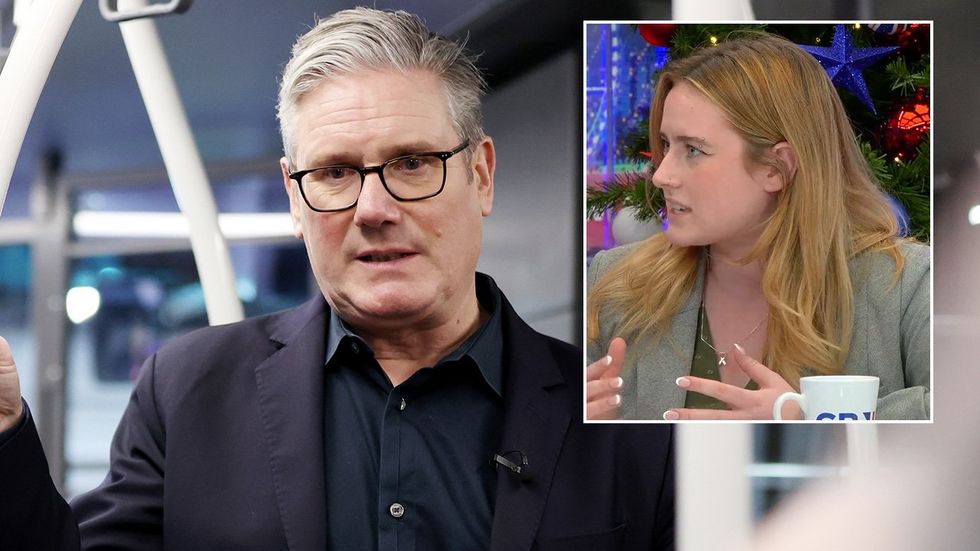
Claiming that Sir Keir “continues to be proved wrong” with his stance on free speech, Ms Shaw said: “Of course the bill was drafted under the previous Government, there were issues with it then.
“But the continuous, as Keir Starmer says, ‘we’ve always had free speech in this country, we’ll protect it for as long as we can’, Keir Starmer continues to be proved wrong and JD Vance continues to be proved right.”
Noting that the criticism this time comes from a company rather than a political figure, she added: “Free speech is obviously under threat and like you said, it’s Google this time, it’s not Elon Musk.
“It’s not right wingers who want to spread hate speech, it’s Google. It’s the search engine giant who is saying that Ofcom, the way that they are enforcing the Online Safety Act, is going to have a detrimental effect on what people can and can’t see online.”
LATEST DEVELOPMENTS
- Google slams Labour over online free speech and ‘undermining users’ rights to freedom of expression’
- Publicans to face ‘legal minefield’ as free speech crackdown could ban ‘offensive’ Christmas songs
- Kate Clanchy tells GB News how she fought back against ‘petty’ critics after being cancelled
Weighing in on Google’s criticism, US commentator Jennifer Ewing highlighted the “real world consequences” Labour’s free speech crackdown.
She told GB News: “The Government is not serious about this, but there’s going to be very serious repercussions and we’ve already seen them.
“The $30billion tech deal that the UK and the United States had signed a few months ago, the US is putting a line through that, it’s gone, because of the Online Safety Act. Because they want to say, ‘what are you doing? There’s real world consequences’.”
Ms Ewing added: “Look at the the shifty language, flimsy language in this by Ofcom – it’s ‘potentially illegal’, ‘possibly illegal’, all this very loose language that will have real world repercussions.
“And JD Vance has been talking about this, the President’s been talking about this, the Free Speech Union does such good work around this and it is a very big deal. And we don’t want the United States and the United Kingdom diverging any further over this.”
Also taking issue with Ofcom’s language in their plans to require platforms to identify and limit the spread of “potentially illegal” material, Ms Shaw explained: “The big part of this story is that Ofcom is now speaking about ‘potentially illegal’ things, which wasn’t a phrase that was used in the act.
“And so Google is saying this doesn’t seem like something that was intended by Parliament, so what does potentially illegal mean? The social media sites are already being urged to act with extreme caution because if they allow illegal content to be on their platforms, they can be fined up to £18million or 10 per cent of their annual annual revenue, whichever is larger.
“So they have a great incentive to make sure they are cracking down, so they’re acting overzealous, and now this ‘potentially illegal’, what does that even mean?”
A spokesman for Ofcom said in a statement: “There is nothing in our proposals that would require sites and apps to take down legal content.
“The Online Safety Act requires platforms to have particular regard to the importance of protecting users’ right to freedom of expression.”
Our Standards:
The GB News Editorial Charter


Follow