



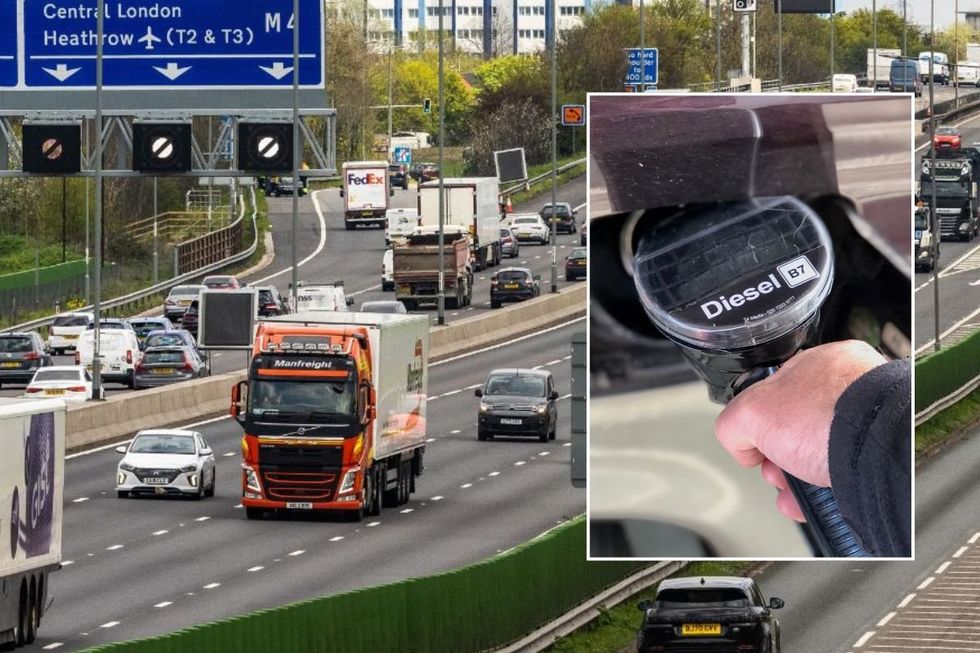
Labour has been told to take urgent steps to prepare the UK for the upcoming diesel ban deadline in 2040 amid fears thousands of drivers could be left behind.
Electric vehicle organisation ChargeUK has urged the Government to unlock the electrification of heavy goods vehicles ahead of the looming 2040 deadline.
The UK has pledged to phase out the sale of non-zero emission heavy goods vehicles weighing 26 tonnes and under by 2035.
From 2040, diesel HGVs will be ruled out, with all new HGVs sold in the UK needing to be zero emission by 2040.
Under Conservative Prime Minister Boris Johnson, the UK became the first country in the world to commit to phasing out internal combustion engine heavy goods vehicles in 2021.
Despite the lofty net zero targets, the Government has been warned that it could fall behind in its bid to electrify and decarbonise the transport sector.
Despite accounting for just over one per cent of all vehicles on the road, HGVs are responsible for a staggering 16 per cent of all UK domestic transport emissions.
Fresh data from the Department for Transport shows that there are around 1,000 electric HGVs on UK roads, representing just 0.2 per cent of all large trucks.
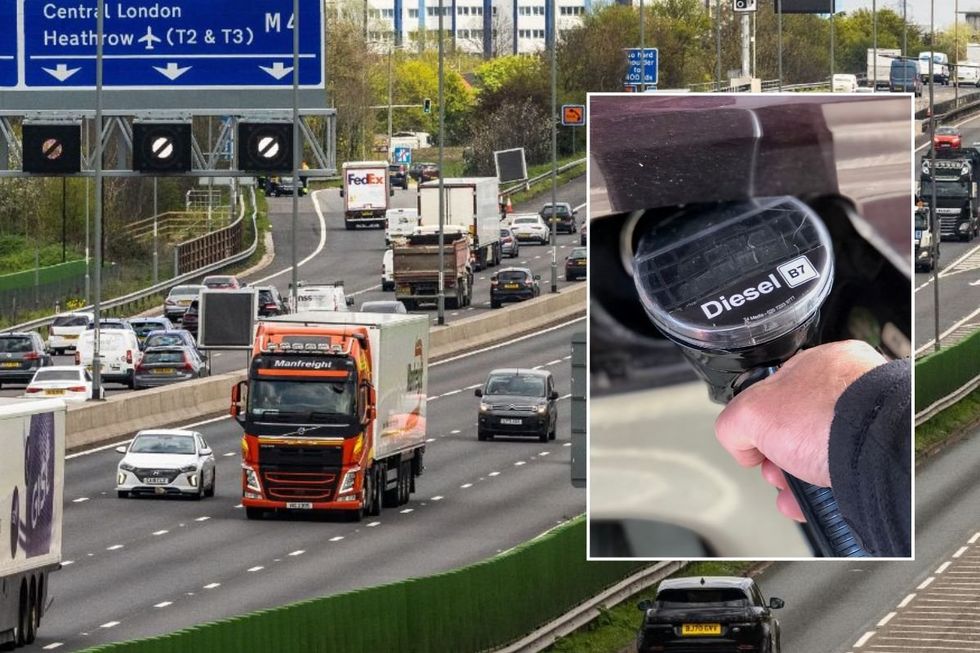
Certain measures are already in place to help businesses switch to cleaner forms of transport, including the Plug-in Vehicle Grant.
Large trucks, which weigh more than 12,000kg, are eligible for a grant of £25,000 off the purchase price of models from popular brands like DAF, Dennis, Renault and Volvo.
Despite this, Charge UK has made three key recommendations to the Government to unlock the HGV sector and help drivers ditch heavily polluting large vehicles.
The new paper, entitled “Electrifying Freight: A roadmap for electric HGV charging”, calls for additional investment through a dedicated HGV infrastructure fund.
LATEST DEVELOPMENTS
- Least reliable cars may see drivers slapped with huge £8k repair cost – Audi, Mercedes, VW and more
- Major car brands recall 430,000 vehicles over huge safety concerns – Ford, BMW, Honda and more
- Labour unleashes fresh ‘war on motorists’ with new plans to restrict parking and ‘squeeze drivers’
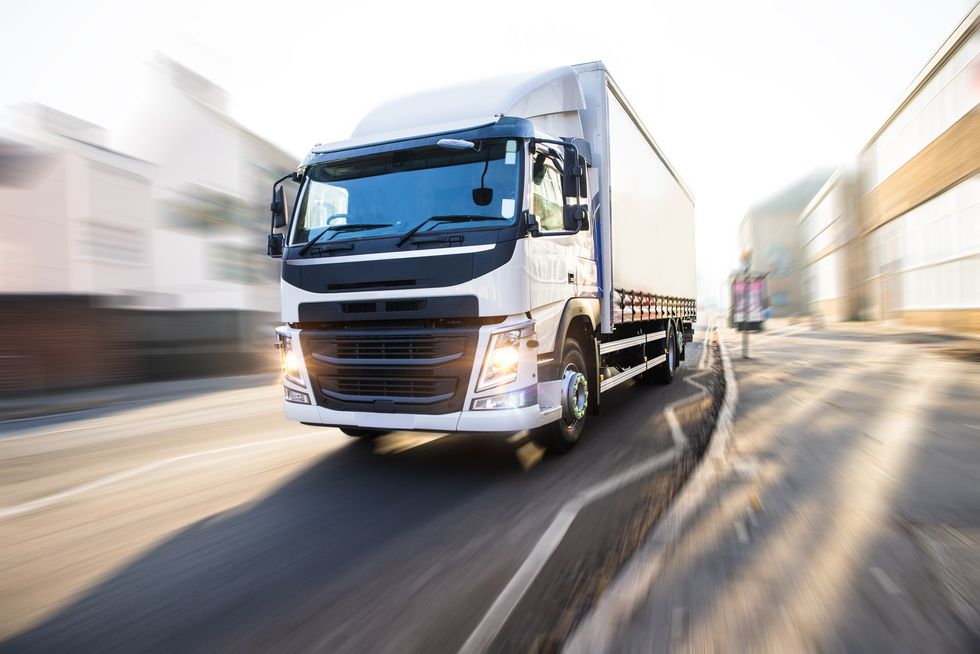
This would also see Labour fast-tracking grid connections for large HGV charging sites, and including renewable electricity in the Renewable Transport Fuels Obligation.
Jarrod Birch, head of policy and public affairs at ChargeUK, acknowledged that the charging sector is “willing to build ahead of demand” but said more needed to be done.
He added: “However, we must have some certainty that demand will grow with strong commercial and policy signals that the UK is investible for HGV charging. We know what has and hasn’t worked for cars so can apply those lessons.”
Other recommendations include a regulatory framework to guarantee “electrification and aligning regulatory and technical approaches with the European market”.
The organisation also said fleets should be backed with electricity crediting for depot charging, as well as addressing the high cost of electricity.
“The UK is facing a steep challenge to meet the 2040 cutoff for sale of diesel HGVs, but the charging sector is committed to working with Government and wider industry to drive the exponential increase in electrification which we need,” Mr Birch said.
A Government spokesperson recently confirmed to GB News that it was committed to maintaining the 2035 ban on all non-zero emission cars, despite the European Union’s U-turn.
The European Commission announced earlier this week that it would backtrack on its aim to ban the sale of new petrol and diesel cars from 2035, already five years later than the UK’s target.
Our Standards:
The GB News Editorial Charter



Follow