




A government body has found that Ed Miliband’s plan to reach net zero by 2050 could cost £350billion more than a slower approach.
According to analysis by the National Energy System Operator (NESO), Britain could save £14billion a year if it dropped its legally binding 2050 net zero target.
The extra cost works out at about £500 per household annually, equivalent to 0.4 per cent of GDP.
The NESO analysis also suggested that the highest costs of achieving net zero would fall within the next 10 years.

The report also warned that should gas prices drop below current government projections, the extra cost of net zero could reach £19billion annually on average over 25 years.
The analysis concluded that even with higher-than-expected gas prices, net zero would remain around £5billion a year more expensive.
The pledge to achieve net zero was enshrined into law by former Prime Minister Theresa May in 2019.
However, Tory leader Kemi Badenoch has since pledged to “scrap the failed targets” should her party win the next election.
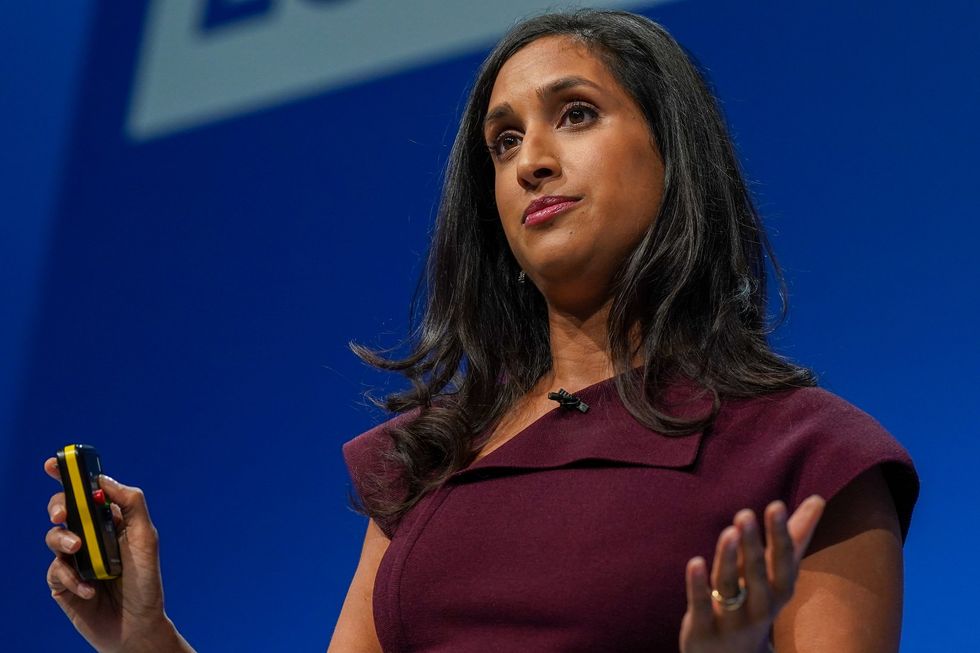
Reacting to NESO’s analysis, Shadow Energy Secretary Claire Coutinho said that the report uncovered “the truth”.
She said: “Rushing to net zero is forecast to make our energy system £350 billion more expensive than going slower.”
Meanwhile, a Department for Energy Security and Net Zero spokesman said: “We fundamentally reject the idea that these illustrative scenarios accurately reflect the cost of moving to clean energy, which has enormous benefits in bringing down bills for good, energy security and securing well-paid, skilled jobs.
“They do not reflect or predict the cost of net zero, recognising the likely path is highly dependent on future fuel prices and the advancing pace of private sector rollout of net zero technologies.”
LATEST DEVELOPMENTS
- Petrol and diesel car ban to be ‘pushed back to 2040’ in huge U-turn for drivers
- Ed Miliband at war with Rachel Reeves over plan to cut green levies on energy bills
- Donald Trump declares war on ‘insane’ electric cars and pledges to ‘kill the green new SCAM!’
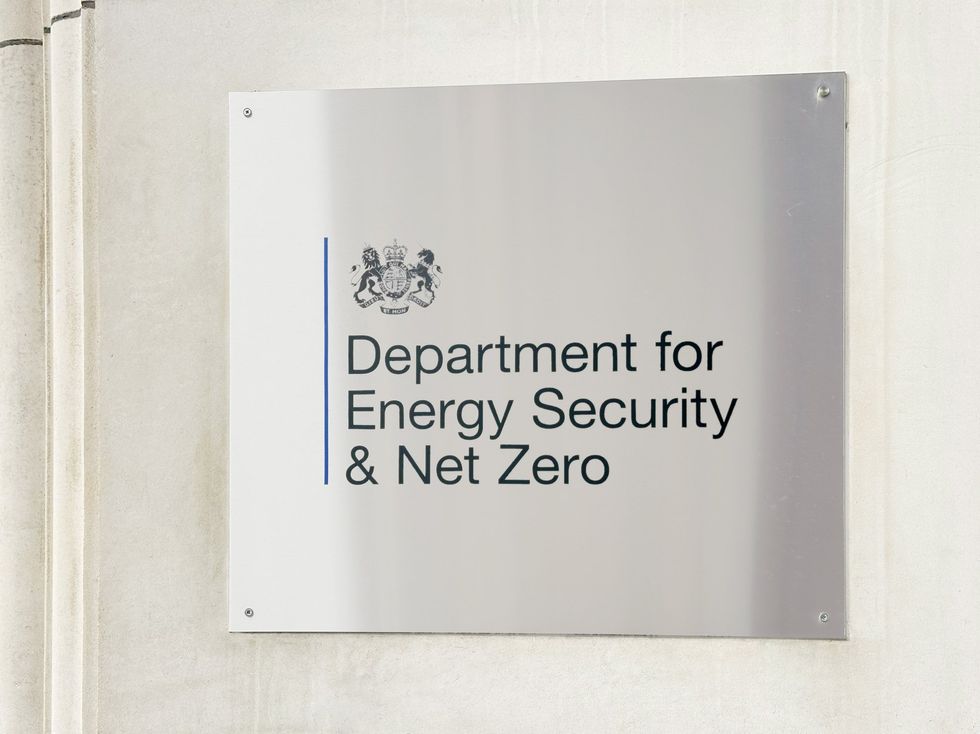
NESO analysed two different scenarios, with the first following Mr Miliband’s clean power plans and the Climate Change Committee’s 7th carbon budget, cutting emissions 87 per cent by 2040, with most homes using heat pumps powered by expanded wind and nuclear by 2050.
The second path largely continues Britain’s current trajectory, including wider adoption of electric vehicles, but falls short of net zero.
Many homes would still use natural gas, and some gas-fired power stations would continue without fully capturing emissions, leaving energy-related emissions just under half of today’s levels by 2050.
The analysis found costs would drop from the 2030s in both scenarios, falling below today’s levels, though the net zero path wouldn’t become cheaper until 2046.
The report concluded that achieving net zero by 2050 is much more expensive than a gradual path, especially in the first years.
However, NESO noted that the analysis did not factor in the potential benefits of investing in domestically-grown energy.
It said: “The decarbonisation pathways involve a shift from spending on imported fuels to investment in Great Britain’s renewables, networks and more efficient electric heating systems.
“As well as unlocking reduced operating spending, this investment can bring local economic opportunities and support new jobs, alongside the opportunity for improved air quality and health outcomes.”
Our Standards:
The GB News Editorial Charter



Follow