




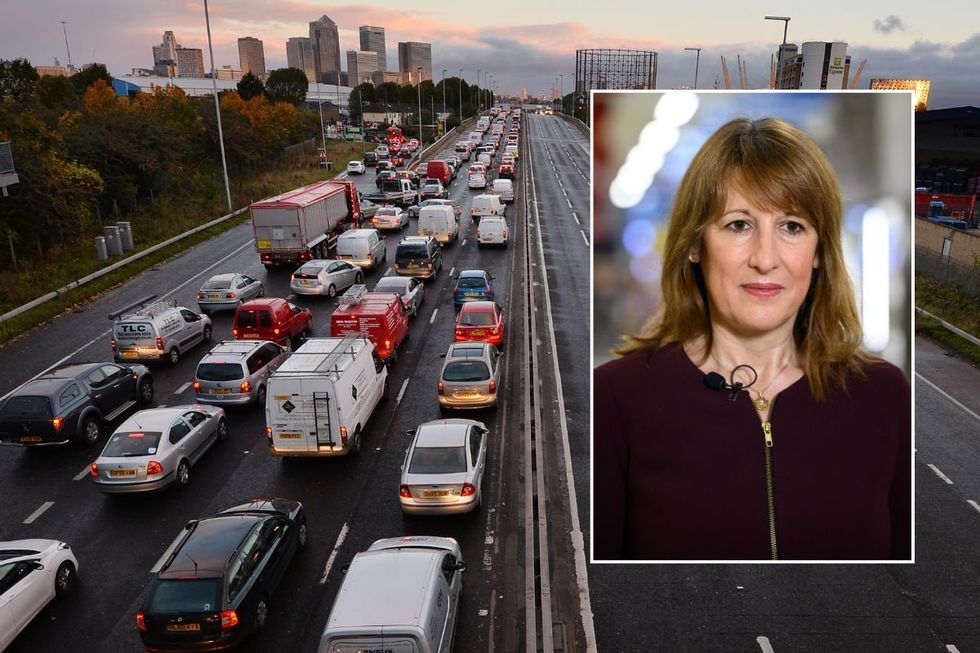
Research has found that drivers can save almost £1,500 a year when using an electric car, despite Chancellor Rachel Reeves’ punishing Budget for motorists.
Data suggests that the UK’s most-viewed second-hand electric vehicles on the largest online automotive marketplace could still help drivers save an average of £1,450.
It comes just days after Rachel Reeves announced the planned introduction of pay-per-mile car taxes for electric cars and plug-in hybrid vehicles, which are set to launch in 2028.
Drivers will be charged an extra three pence per mile for an electric car, while plug-in hybrid owners will face costs of 1.5p per mile.
The new Electric Vehicle Excise Duty (eVED) charges will be paid alongside existing car tax payments, as well as further payments for the Expensive Car Supplement if it costs more than £40,000.
However, analysis from the Energy and Climate Intelligence Unit (ECIU) shows that the Audi Q4 e-tron offers savings of £1,936 a year, when accounting for all expenses during a typical 10-year ownership period.
Other larger vehicles appeared at the top of the list, including the Jaguar i-Pace (£1,584) and the Polestar 2 (£1,186).
Two smaller and more affordable models were also included in the data, notably the Renault Zoe (£940) and Kia Niro (£650).
The analysis used data from second-hand trends on Autotrader, which has almost 32,000 electric vehicles available on the platform.
Colin Walker, head of transport at the ECIU, noted that an ever-increasing number of people were turning their backs on paying a “petrol premium” when driving.
He added: “The mixed messages being sent to consumers by the Government’s introduction of a 3p per mile tax on EVs is understandably causing concern, risks undermining consumer confidence, and could significantly slow the sale of new and used EVs.
“But it will not change the fact that second-hand EVs can deliver, and will continue to deliver, very significant savings to families across the country the moment they get their hands on the keys.”
LATEST DEVELOPMENTS
- Drivers fail to follow updated Highway Code rules as millions remain unaware of new changes to UK roads
- Petrol and diesel car ban could be watered down as sales may continue ‘even after 2035’
- Motorists could see ‘zero-tolerance’ law changes rolled out as millions risk driving ban and £2,500 fine
The ECIU stated that significant savings are available to electric vehicle owners, given that many used models have reached price parity with petrol equivalents.
The organisation added that further savings would be seen as the price of new EVs would reach parity, which is expected “at some point between 2026 and 2028”.
This is still expected to be a reality, even with the introduction of pay-per-mile car taxes from 2028.
The Chancellor pledged £1.3billion for the Electric Car Grant to help thousands more drivers make the transition to cleaner vehicles, with maximum savings of up to £3,750 on offer.
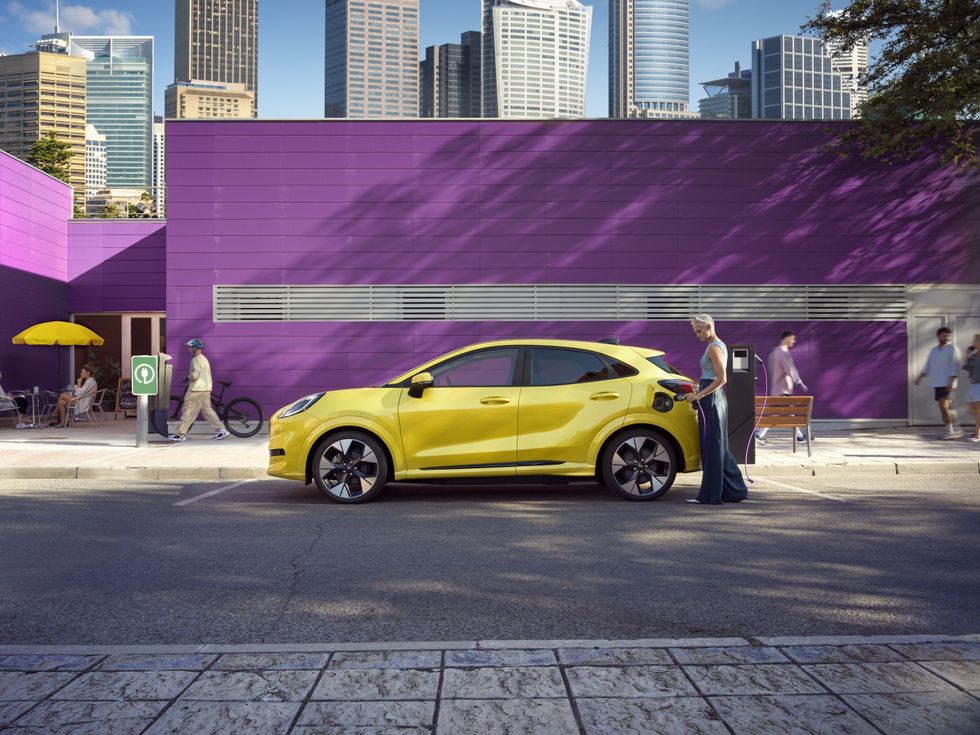
More than 35,000 people have already taken advantage of the EV incentive to save on popular models from brands including Ford, Citroen, Mini and Vauxhall.
Separate analysis from the ECIU found that electric vehicles would still be around £1,000 cheaper to run per year than petrol cars, even with a 3p per mile charge.
Mr Walker added: “The Government’s recent weakening of its targets for new EV sales could encourage manufacturers to sell more plug-in hybrids – which burn 490 per cent more fuel than their manufacturers claim – and fewer EVs.
“This in turn could stifle the growth of the UK’s second-hand EV market, keeping many families back from being able to make the transition to cheaper and cleaner electric driving.”
Our Standards:
The GB News Editorial Charter



Follow