



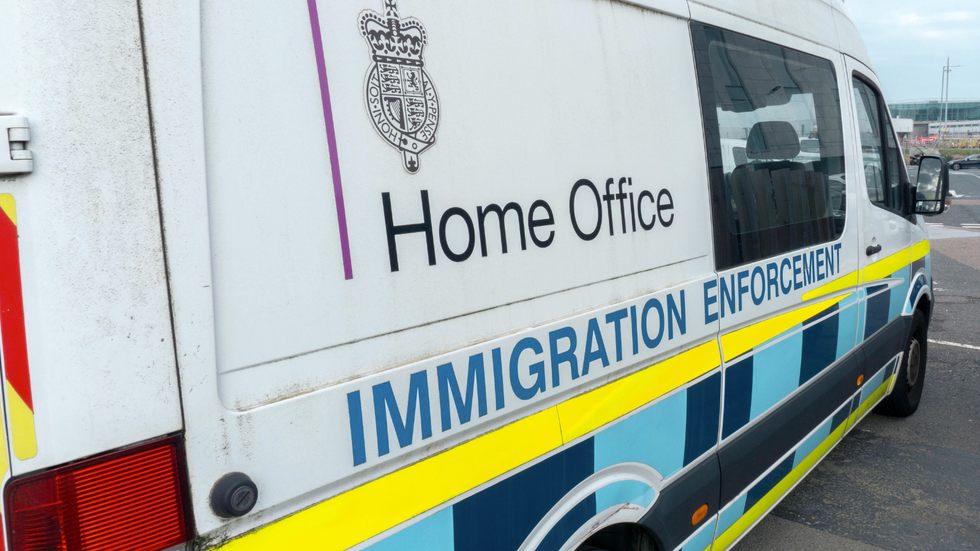
Human rights laws are blocking the deportation of dozens of high-risk extremists, forcing authorities to monitor them round the clock, it has emerged.
The Home Office is facing outrage after revealing around 170 dangerous foreign nationals cannot be deported from the UK with more than half linked to terrorism or extremist activity, the Sunday Express revealed.
A Home Office minister described it as “disgraceful” that terrorists have stayed in Britain, saying new laws passed last week will let authorities track them electronically while the Government works to remove them from the country “rapidly”.
A Government Equality Impact Assessment released as part of the Border Security, Asylum and Immigration Bill last week uncovered: “Provisions for imposing conditions on immigration leave, where a foreign national poses a threat to the public but cannot be removed from the UK, may be more likely to affect certain age groups.
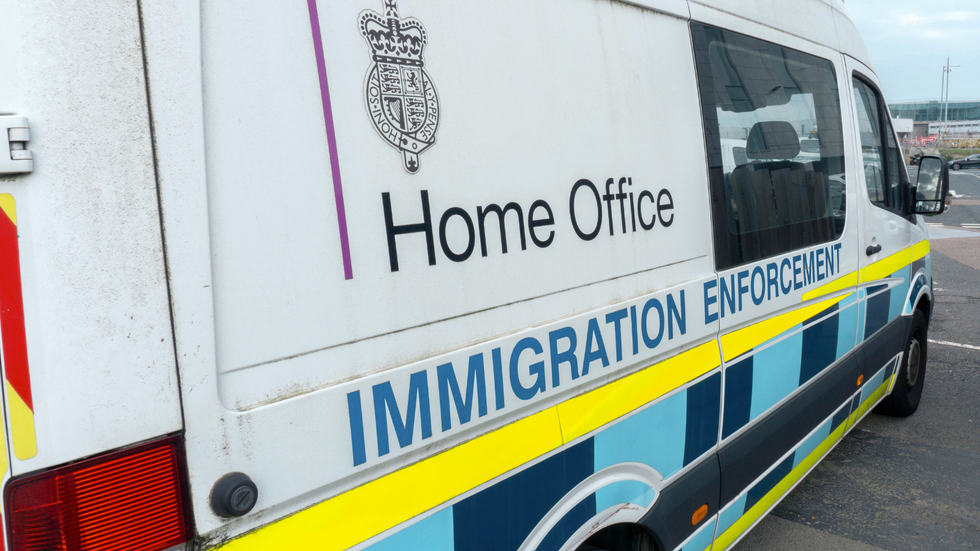
“Around 170 people are currently on restricted leave, with over half having been involved in terrorism or extremism-related activities.”
Restrictions on terrorists usually include electronic tagging, enforced residence, curfews, and limits on online activity.
It is unclear how many of the 170 foreign nationals are subject to these measures.
The revelation comes amid wide-ranging reforms by Home Secretary Shabana Mahmood aimed at preventing failed asylum seekers or migrants convicted of crimes from evading deportation via human rights loopholes.
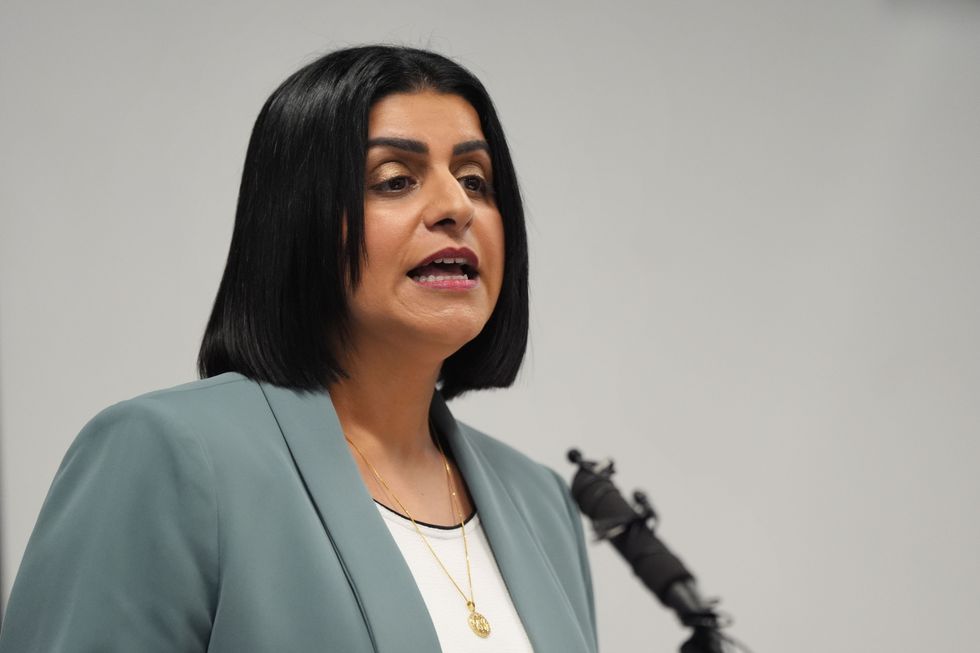
Judges will also be told to put public safety ahead of Article 8 of the European Convention on Human Rights (ECHR), which outlines the right to family life.
Last month, the Home Secretary said the UK was targeted by people “asylum shopping” around Europe.
The new measures will see the appeals system will be replaced with a “one shot” single-appeal model, which aims to speed up the process.
Under the changes, cases will be decided quickly, late claims restricted, and weak cases refused after a single interview with family-life claims under Article 8, often used at the last minute to block removals, facing much tighter rules.
MIGRANT CRISIS – READ THE LATEST:
- ‘Eerily calm’ Sudanese migrant found guilty of stabbing two neighbours in row over loud music
- ‘Were licence fees used to do that?’ Zia Yusuf accuses BBC of ‘coaching migrants on Question Time’
- Illegal migrant convicted of child sex offences ‘swallowed battery to block deportation’
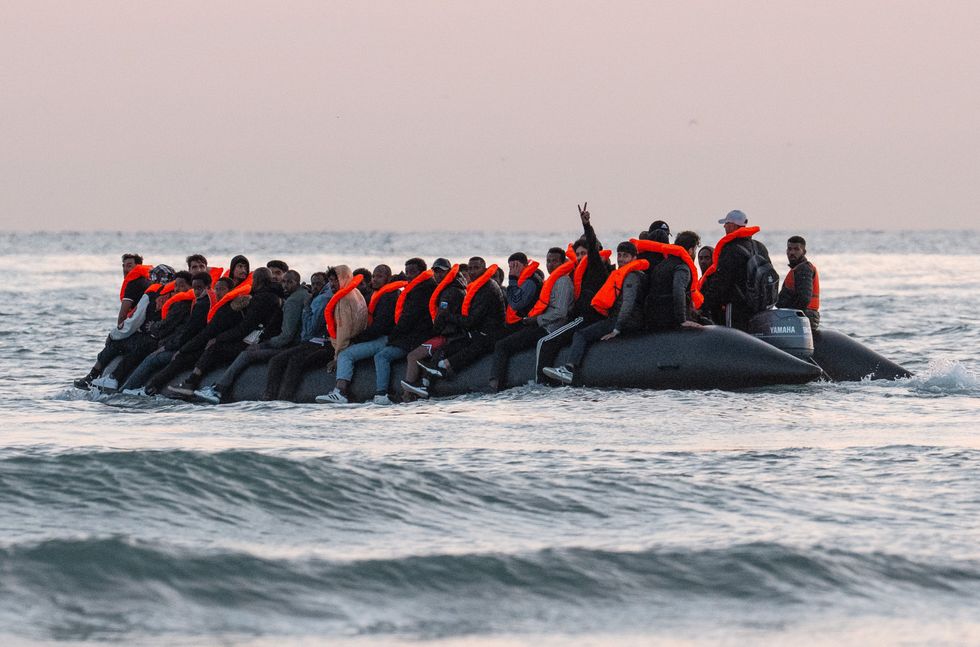
Under the Border Security Bill, national security threats can be permanently barred from settling in the UK, while electronic tagging and curfews will be more widely used for people with limited leave to remain.
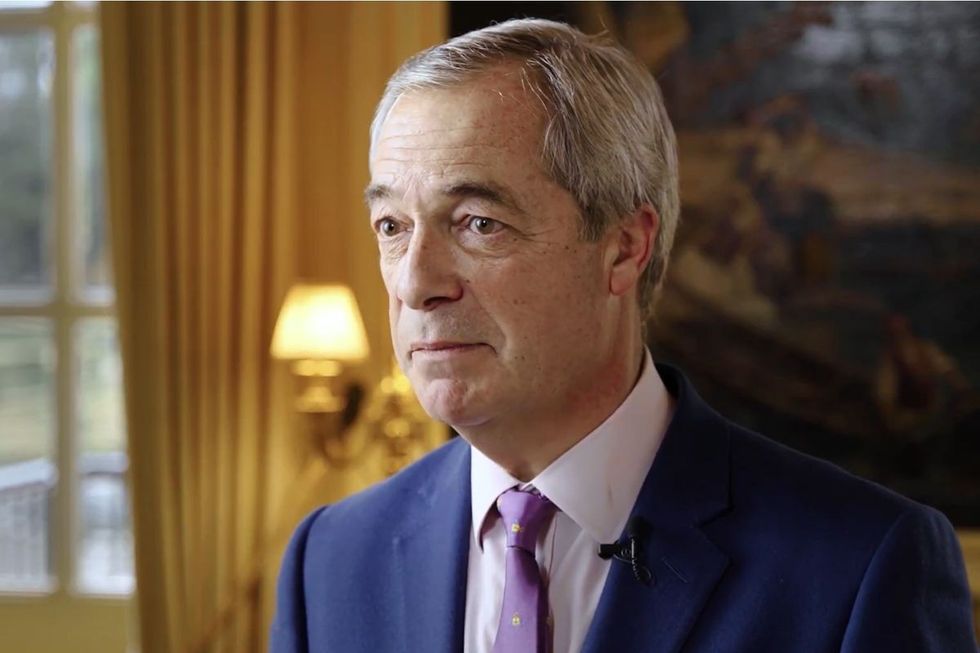
Reacting to the revelation, Reform UK leader Nigel Farage said: “At our mass deportations press conference in August we announced that we would leave the ECHR and disapply the 1951 Refugee Convention, the UN Convention Against Torture and the Council of Europe Anti-Trafficking Convention.
“At the time, Reform and myself were condemned for even suggesting this. Had this government found the backbone to do so, things like this would not be happening.”
Mr Farage went on to accuse the Government of being “filled to the brim with woke human rights lawyers” who “prioritise a foreign court in Strasbourg over the security of the British people”.
Shadow Justice Secretary Robert Jenrick described Britain’s “broken borders” as a “national security emergency”, before affirming that “we have to leave the ECHR and deport every single one of these terrorists and extremists”.
He added: “This government is clueless as to how bad the problem is and how to fix it.”
Minister of State for Border Security and Asylum Alex Norris said: “It is disgraceful that terrorists have been able to stay in the UK under previous rules.
“Our new laws will place strict restrictions on foreign nationals who pose a threat, tracking their every move.
“These laws will also enable us to get terrorists rapidly deported from British soil and keep our country safe.”
Our Standards:
The GB News Editorial Charter



Follow