




British households and businesses faced a challenging twelve months as 2025 proved to be a turbulent year for the UK economy.
The combination of President Donald Trump’s trade war and escalating employment costs created significant headwinds throughout the year, though successive interest rate reductions provided some relief.
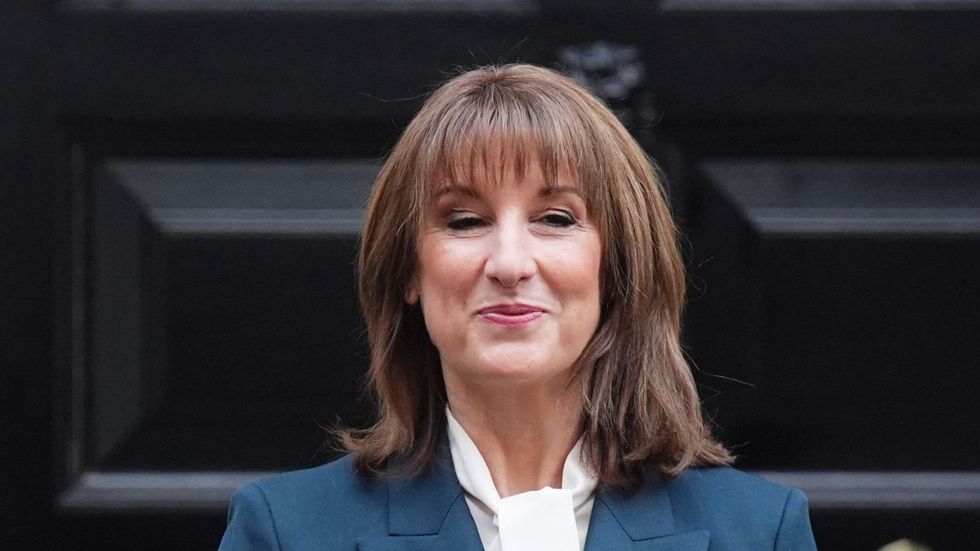
April brought a particularly difficult moment for employers when Chancellor Rachel Reeves implemented higher national insurance contributions alongside a substantial minimum wage increase.
These twin pressures on company wage bills had been widely predicted to trigger both redundancies and higher prices on the high street.
Those warnings proved accurate as the year progressed, with businesses struggling to absorb the additional costs while consumers felt the squeeze through rising prices across multiple sectors.
The cost of living pressures became starkly apparent during the summer months when inflation climbed to an annual high of 3.8 per cent.
Food and beverage costs proved particularly problematic, with that category’s inflation rate reaching 4.9 per cent by October after having been on a downward trajectory the previous year.
Retailers found themselves caught between rising wage expenses and surging commodity prices for essentials including meat, coffee and chocolate, compounded by new packaging levies.
Karen Betts, chief executive of the Food and Drink Federation, explained the predicament facing producers: “Food and drink manufacturers are paying nearly 40 per cent more for ingredients and energy than they were in January 2020, as well as bearing a range of newer regulatory costs, like new packaging taxes and increases to employer national insurance.”
She added: “Hard-pressed food and drink companies are finding they simply have no choice but to increase prices.”
Despite inflationary pressures, moderating wage growth enabled the Bank of England to deliver welcome news through four base rate reductions over the course of 2025.
The final cut before Christmas brought borrowing costs down from 4.75 per cent at the year’s start to 3.75 per cent by December, offering relief to more than a million mortgage holders.

However, these reductions also reflected underlying weaknesses in the British economy, particularly within the labour market.
The unemployment rate climbed to 5.1 per cent in the three months ending October as concerns about rising employment costs materialised into actual job losses.
This represented the highest jobless rate in over four and a half years, and excluding the pandemic period, the worst figure in almost a decade.
Artificial intelligence also increasingly influenced workforce decisions globally, with Amazon announcing approximately 14,000 corporate redundancies worldwide in October, directly attributing the cuts to AI investment priorities.
President Trump’s trade offensive sent shockwaves through the British economy shortly after he began his second term in January.
His “liberation day” tariffs in April imposed a blanket 10 per cent levy on most UK goods entering the American market, triggering a record decline in exports to the world’s largest economy.
LATEST DEVELOPMENTS:
- Labour warned DWP scheme to tackle workplace sickness ‘like emptying the ocean with a teaspoon’
- Britain sees biggest exodus in 60 years as young people escape: ‘This spells catastrophe for the UK’
- Retirement crisis looms as over-55s turn to £144,748 housing alternative amid rising prices
The manufacturing and automotive industries bore the brunt of these measures, with Aston Martin Lagonda among those warning of substantial profit damage from the new import duties.
Economic growth slowed markedly in April as a consequence of the trade disruption. Initial forecasts for UK output were repeatedly downgraded, though subsequent trade agreements with Washington helped stabilise the situation.
By November, the Office for Budget Responsibility revised its growth prediction upward to 1.5 per cent from an earlier estimate of just one per cent.
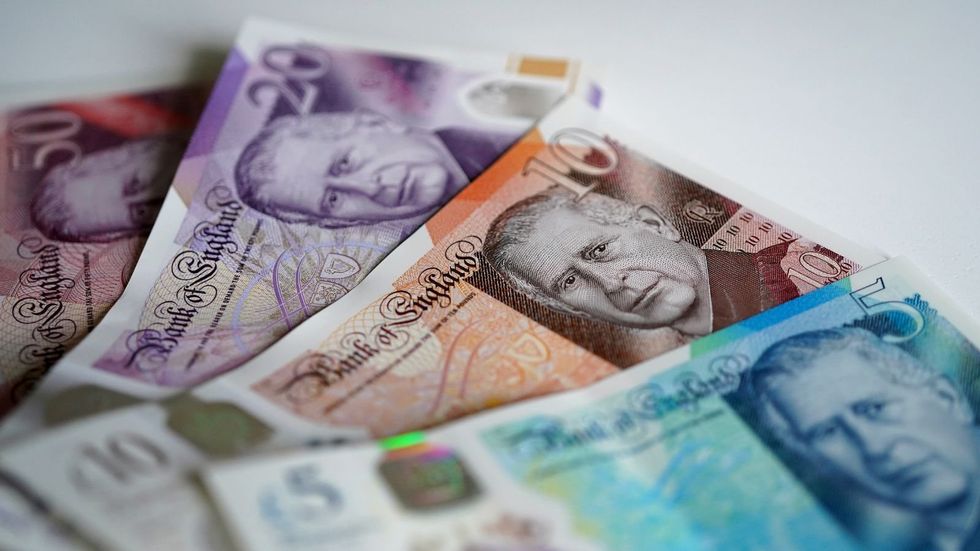
The fourth quarter saw growth held back by uncertainty and speculation about potential tax increases ahead of the November 26 Budget, with the Bank of England forecasting the economy would stagnate in the final three months of 2025.
Although the anticipated income tax rise did not materialise, the Budget offered little to stimulate economic expansion, leaving many businesses disappointed.
Matt Swannell, chief economic adviser to the EY Item Club, cautioned that “another year of sluggish growth for the UK economy is expected in 2026”, noting the private sector outlook remains “weak” and consumers face continued pressure as rate cuts will not protect those leaving cheap fixed-rate mortgage deals.
Elliott Jordan-Doak at Pantheon Macroeconomics offered a more optimistic assessment, suggesting economic conditions should gradually improve next year as consumer confidence recovers following the shelved income tax increase.
Our Standards: The GB News Editorial Charter



Follow