



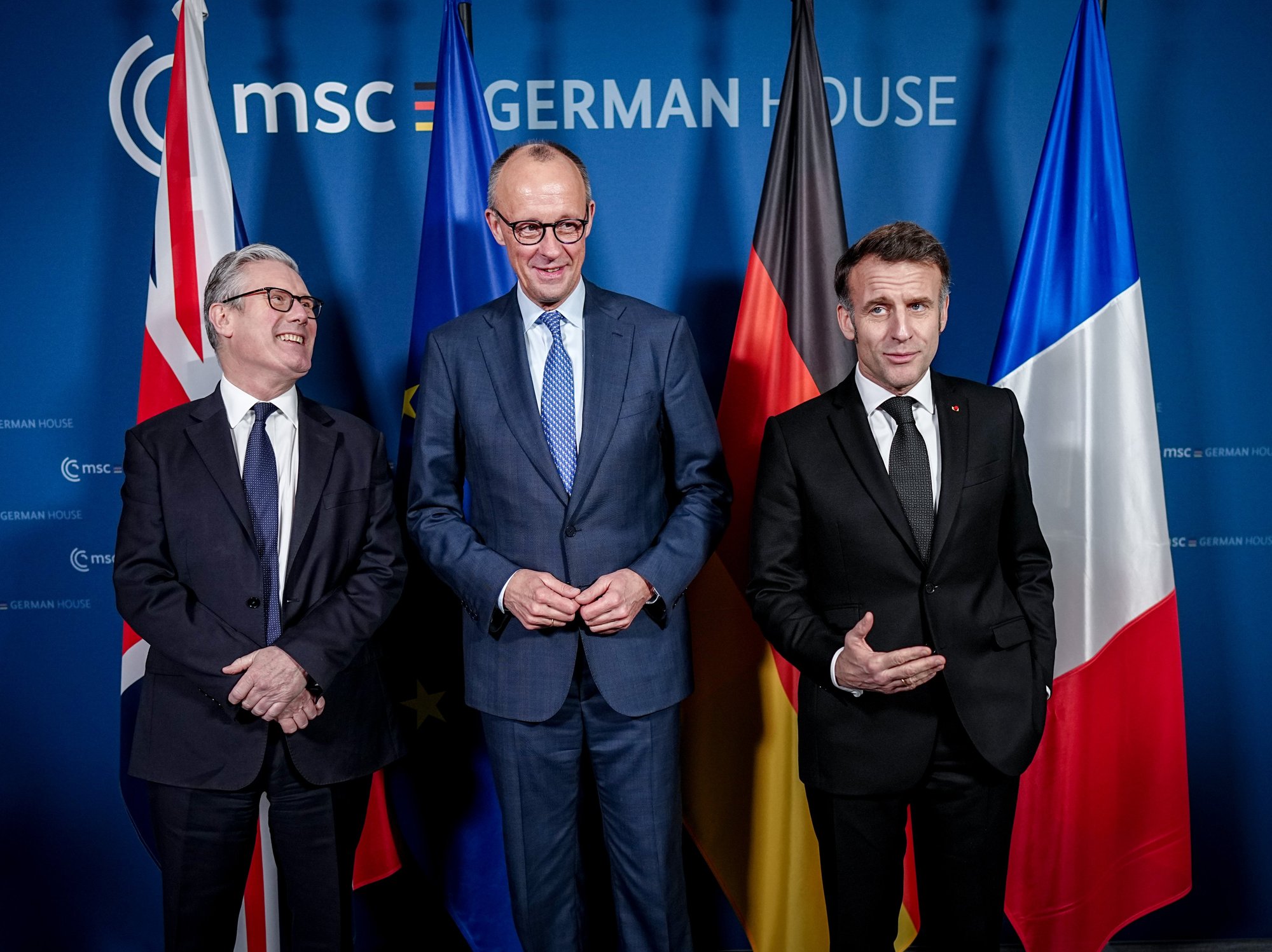
Sir Keir Starmer is scrambling to sign Britain up to European Union dictates on climate and energy policy.
A Cabinet Office memorandum published earlier this month outlined what ministers are willing to concede in exchange for closer economic cooperation with the bloc.
At its heart is a commitment to “dynamic alignment” with EU legislation on “the promotion of renewable energy”, meaning UK law would automatically be in lockstep with changes made in Brussels.
Such alignment would also apply to heating and transportation, requiring a significantly accelerated pace towards net-zero targets.
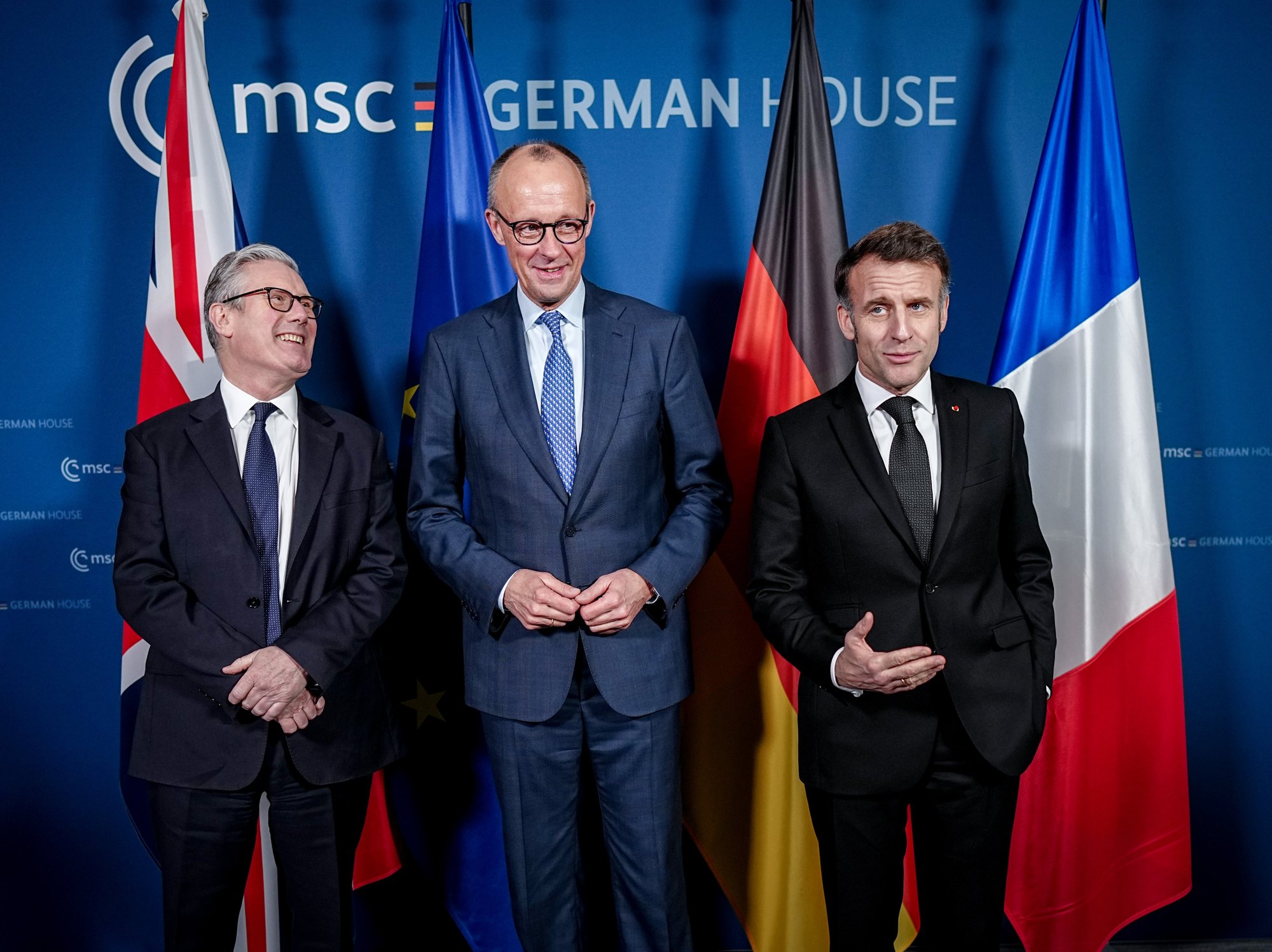
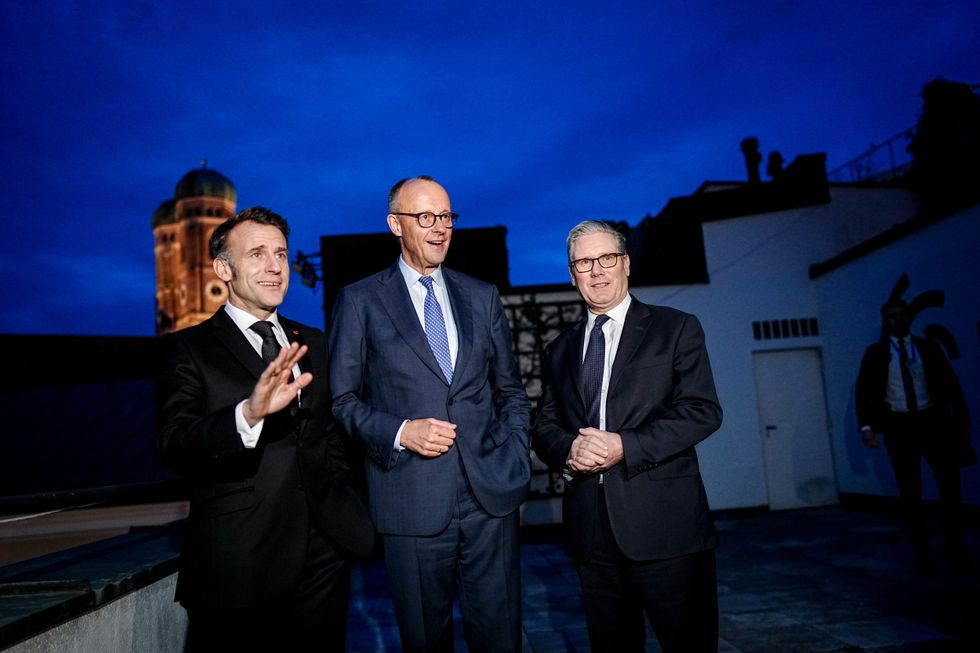
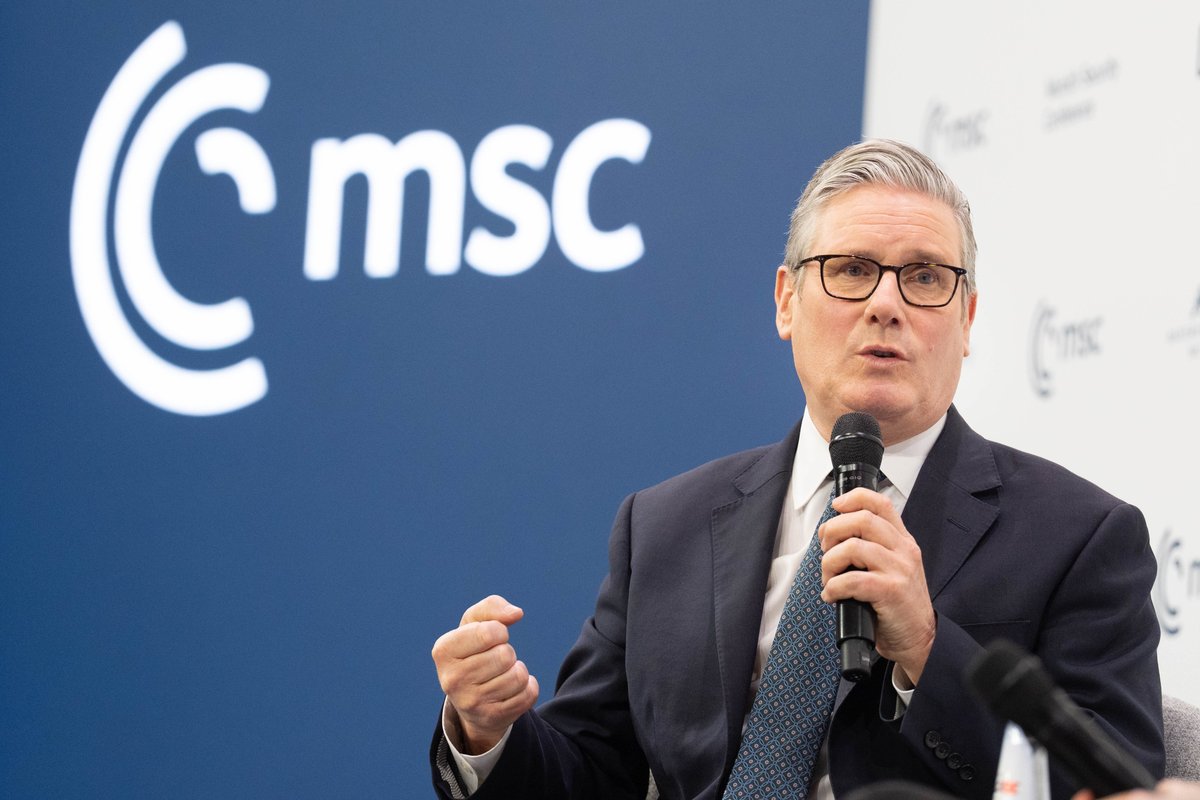
Speaking in Munich, the Prime Minister called for “deeper economic integration” with the single market and suggested progress could be made as early as this year.
He also indicated cooperation could extend beyond energy into other sectors, including defence.
Sir Keir and Energy Secretary Ed Miliband are currently in discussions over rejoining the EU’s internal electricity market, a system that links member states and Norway into a single cross-border grid.
Rejoining this arrangement would also require the UK to align with Brussels’ “wholesale and retail electricity market rules”.
Under the mooted arrangements, Britain could find its freedom to subsidise nuclear power constrained, as any state support would have to mirror EU “state aid” disciplines.
The memorandum also points to the creation of a “legally binding” financial mechanism linked to the size of the UK economy, effectively committing taxpayers to an ongoing payment structure tied to Brussels.
Britain exited the EU’s internal electricity market in 2021 after Brexit.
Even still, the UK has grown increasingly reliant on imported power from France, the Netherlands, Belgium, Norway and Denmark since then via seven subsea interconnectors.
LATEST DEVELOPMENTS
Wes Streeting plots to beat Angela Rayner in race to topple Keir Starmer as date set to oust PM- Conservative activist dies after ‘being beaten by masked far-left mob’ in France
- Keir Starmer admits he has ‘made mistakes’ but insists he will lead Labour into next election
Outside the EU framework, British energy traders are barred from using the automated trading algorithms that optimise cross-border electricity flows, forcing them instead to operate through manual systems.
Supporters of closer alignment argue that this inefficiency carries a cost.
Barnaby Wharton, head of grid policy at Renewable UK, has previously said tighter integration would lower bills by improving the system’s overall efficiency.
However, opponents argue a closer alignment with the EU would intensify existing net zero commitments, with potential knock-on effects ranging from constraints on flying and driving to limits on wood-burning stoves and pressure to curb meat consumption.
The Conservatives have seized on the plans, branding them a “Brexit betrayal” and warning they would “reduce growth and make Britain poorer”.
Shadow Energy Secretary Claire Coutinho said: “Labour’s deal with the EU has already pushed up energy bills and imposed higher carbon taxes on businesses in a £5billion hit to the economy and it hasn’t even been signed yet,” she told The Sunday Telegraph.
“Labour’s deal means we will be locked into Europe’s energy policies, which will reduce growth and make Britain poorer.”
Professor John Constable, of the University of Austin, described the proposals as “fundamentally political”.
“I fear that the Labour Government is trying to poison the well for any incoming government… It will be a poisoned chalice; they will be so fettered by EU law, and it will be incredibly difficult to unwind,” he explained.
“The whole package reduces the degree of flexibility in the future. If it were UK law, an incoming government could cancel them. But an international commitment is much more difficult to get out of.”
A Government spokesman said: “The outcome from exploratory talks is clear that any overall target for renewable energy would be purely indicative, and there would be no targets for industry sectors, transport, buildings, heating and cooling.
“Closer cooperation on electricity will bring real benefits to British businesses and consumers – helping to drive down energy costs, strengthen energy security, and drive investment in the North Sea.”
Officials also maintain the UK would be involved at “an early stage in the decision-shaping process” and that there are no plans to impose additional legally-binding targets beyond those already set under Britain’s existing carbon budget framework.
Our Standards:
The GB News Editorial Charter



Follow