



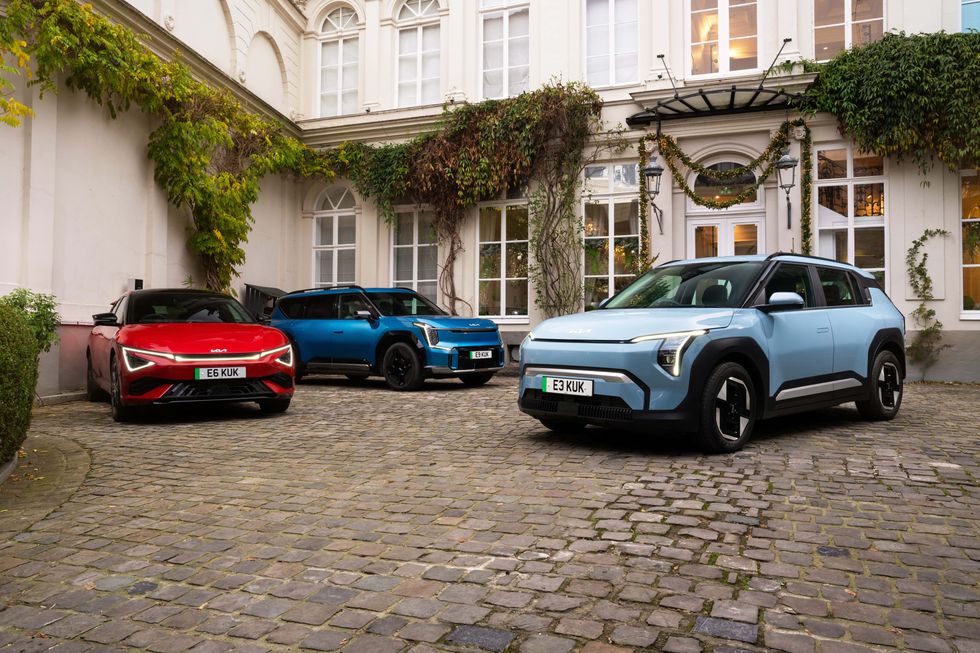
One of Britain’s most popular car brands has made its feelings clear that it will not be abandoning petrol and diesel engines any time soon, despite Labour’s push for electric vehicles.
South Korean car maker Kia revealed conventional engines and hybrid vehicles will remain a “very important” part of its UK line-up, even as Whitehall ramps up the Zero Emission Vehicle mandate.
By the end of the year, 33 per cent of new cars sold in the UK must be electric, up from 28 per cent in 2025, or manufacturers risk financial penalties.
Speaking in Brussels at the reveal of Kia’s new EV2 electric SUV, Kia Europe marketing director David Hilbert said the company is taking a measured approach.
He said: “[The ZEV mandate] will put more pressure on UK manufacturers to drive the EV mix, but we’re also seeing a number of different brands still investing in hybrids.”
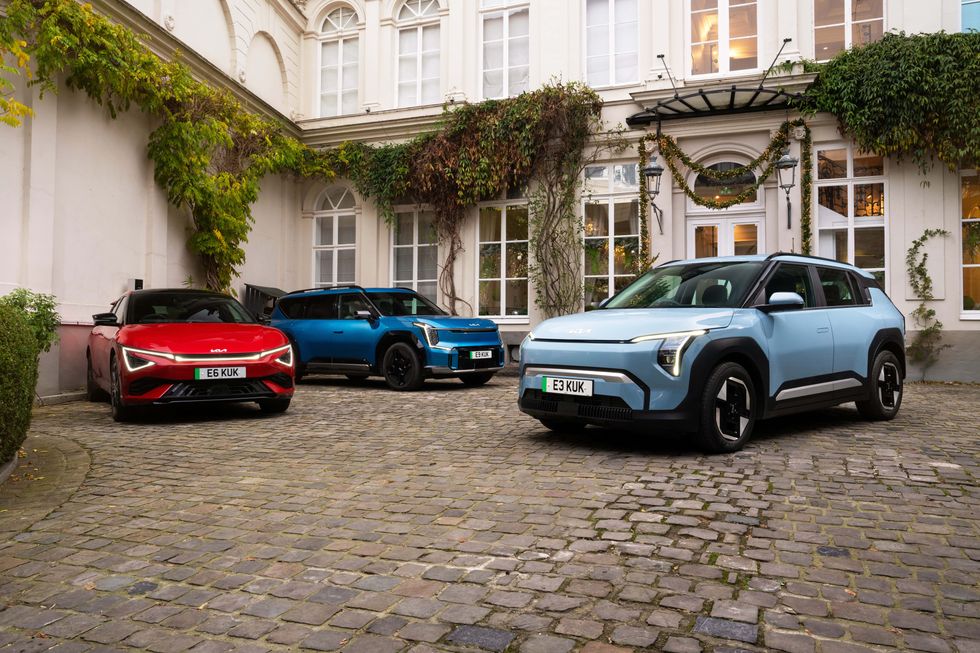
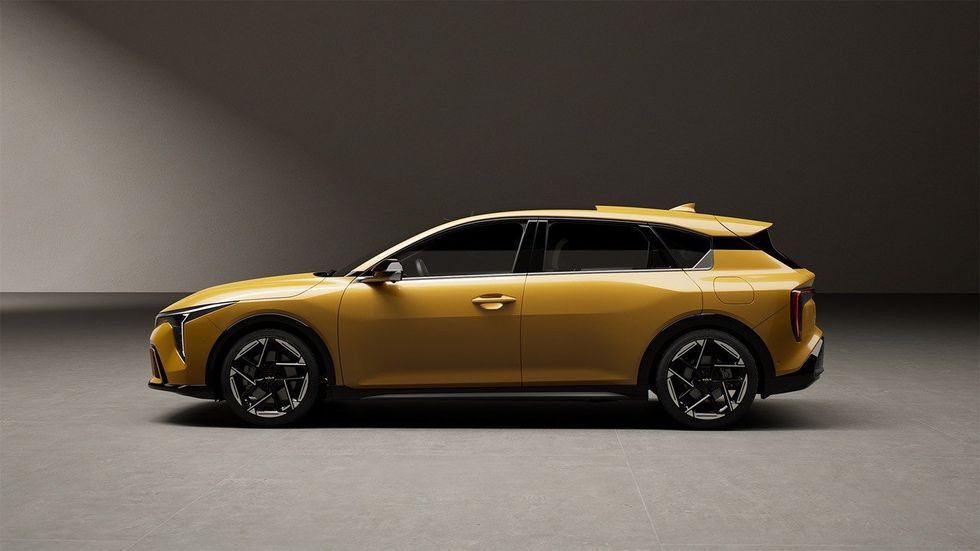
Kia is preparing to launch its K4 hatchback in the UK with petrol and hybrid options, while also rolling out the EV2, a B-segment electric SUV.
The company said hybrids and conventional engines remain crucial for meeting consumer demand and maintaining flexibility in the market.
“I think hybrid powertrains are going to play a very important role in the UK and in Europe, because they are a very good stepping stone to full electrification,” Mr Hilbert added.
Industry experts stated that Kia’s stance highlighted the gap between Government policy and what drivers actually want.
Motorists remain hesistant of going fully electric due to high prices, limited charging infrastructure, and concerns over battery range.
“Many people outside major cities simply do not have the option to run an electric vehicle reliably,” Mr Hilbert added. “Hybrids and petrol vehicles continue to offer the practicality that drivers need.”
The company also pointed to the ongoing popularity of SUVs, which continue to dominate sales despite being criticised by environmental campaigners.
LATEST DEVELOPMENTS
- Car dealer jailed for five years after ‘devastating’ Porsche fraud saw ‘friends’ lose £1.5million
- Rachel Reeves faces backlash as pay-per-mile scheme risks killing key car market in major blow to Labour
- Highway Code no longer fit for purpose as winter rules fail to reduce ‘serious’ road collisions
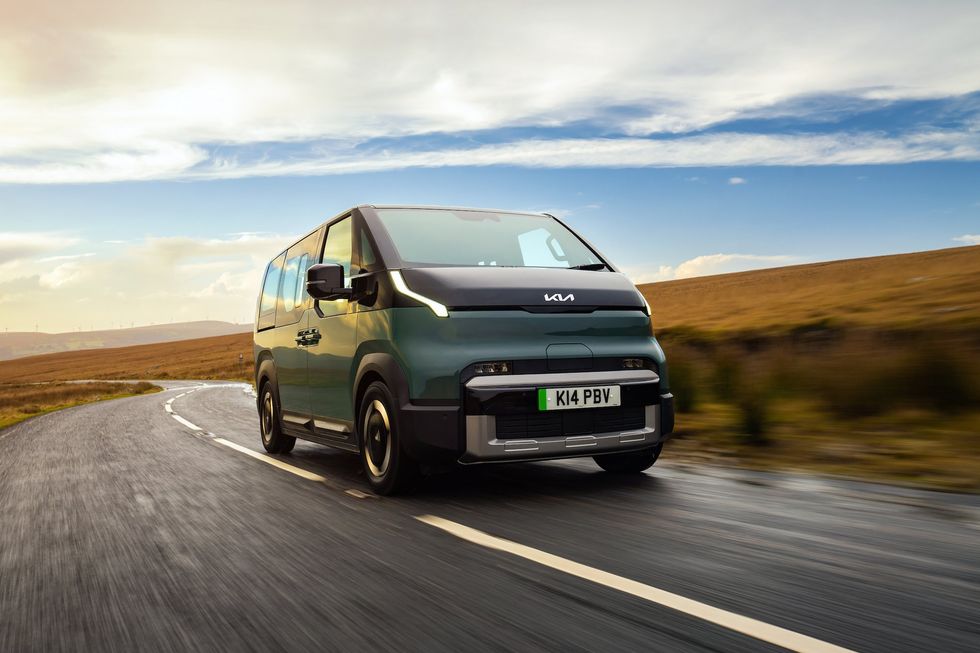
Mr Hilbert continued, saying: “I think the SUV trend will continue. Why? Because it gives you more space, functionality, and flexibility as a consumer, and they can still deliver low CO2 performance if it’s a hybrid and good efficiency if it’s an EV.”
Kia’s decision follows growing warnings from industry figures that pushing electric cars too quickly could have serious consequences.
Some experts have said the ZEV mandate risks pushing up prices, threatening UK jobs, and deterring investment, particularly in regions outside London and the southeast.
According to the Society of Motor Manufacturers and Traders, petrol cars remain the most popular choice, with almost 50 per cent of the market share, while hybrids also rank highly.
Kia is not alone in sticking with petrol and hybrid technology, with Nissan revealing last year that it would continue to offer both petrol, diesel and electric cars.
Christophe Amblard, Nissan Europe’s head of product strategy, said at the time that buyers should retain the freedom to select their preferred technology.
“We are continuing to invest in our e-Power hybrid powertrains, but we will continue to lower emissions, as they still emit CO2,” he added.
Our Standards:
The GB News Editorial Charter



Follow