



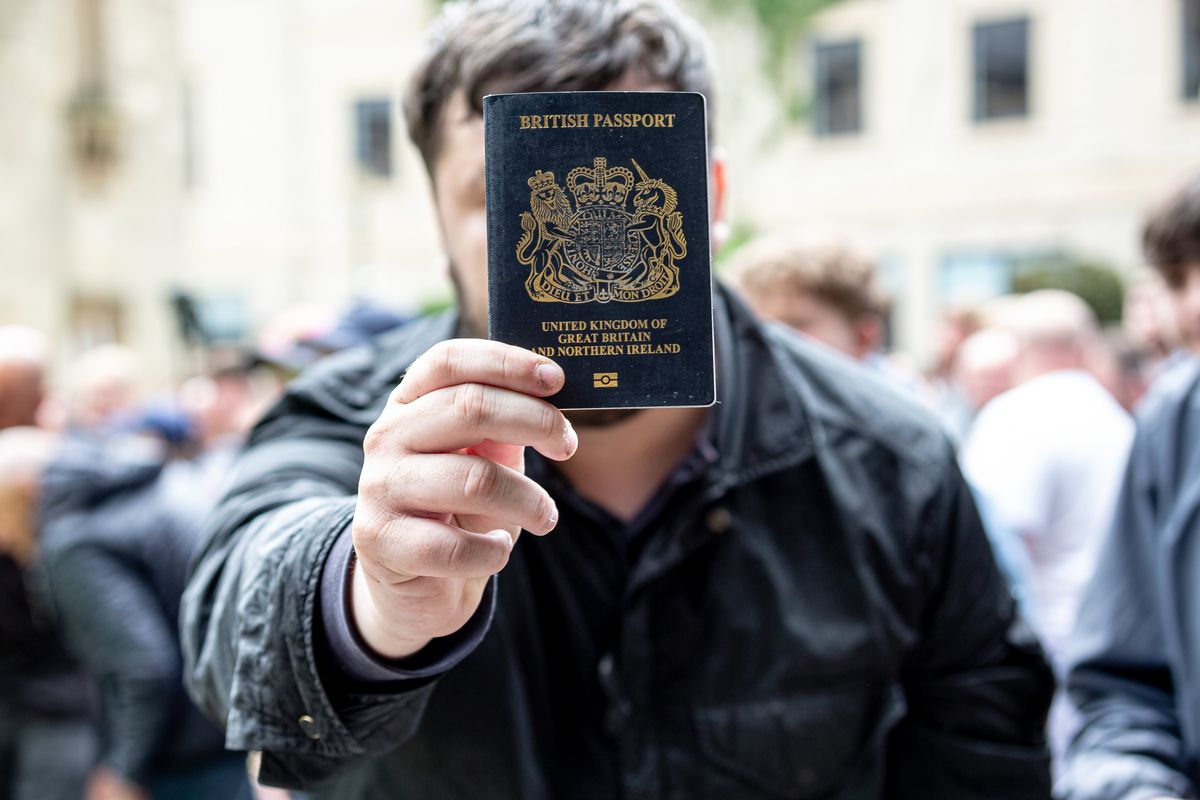
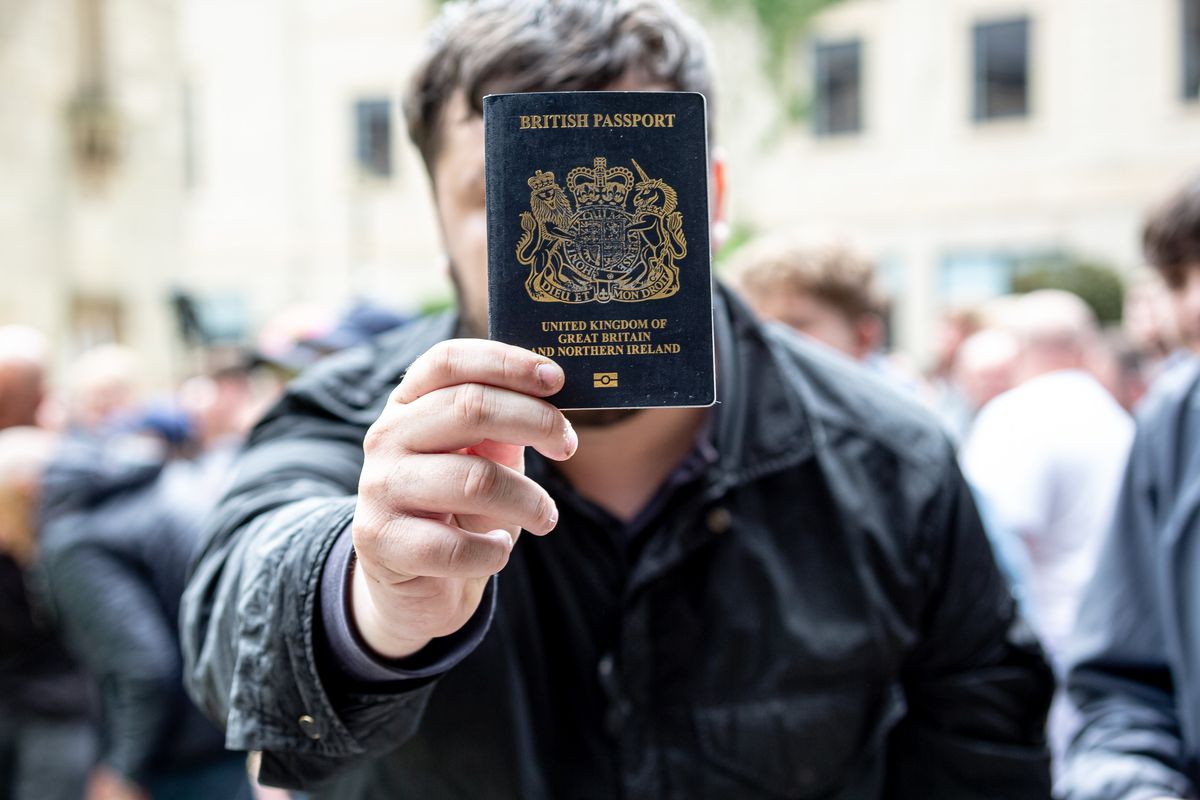
A completely revamped UK passport design has come into force today, marking the first total overhaul in half a decade.
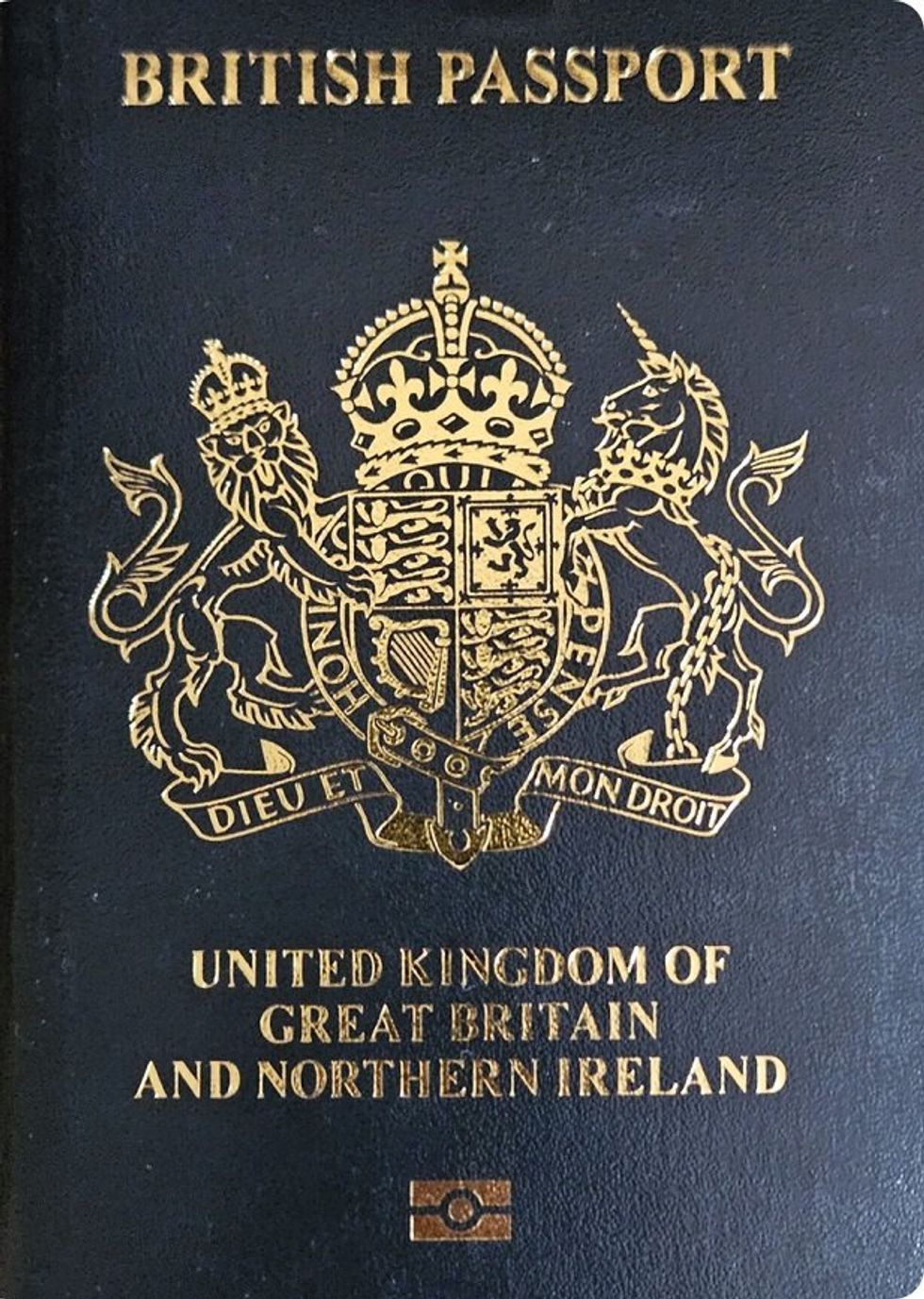
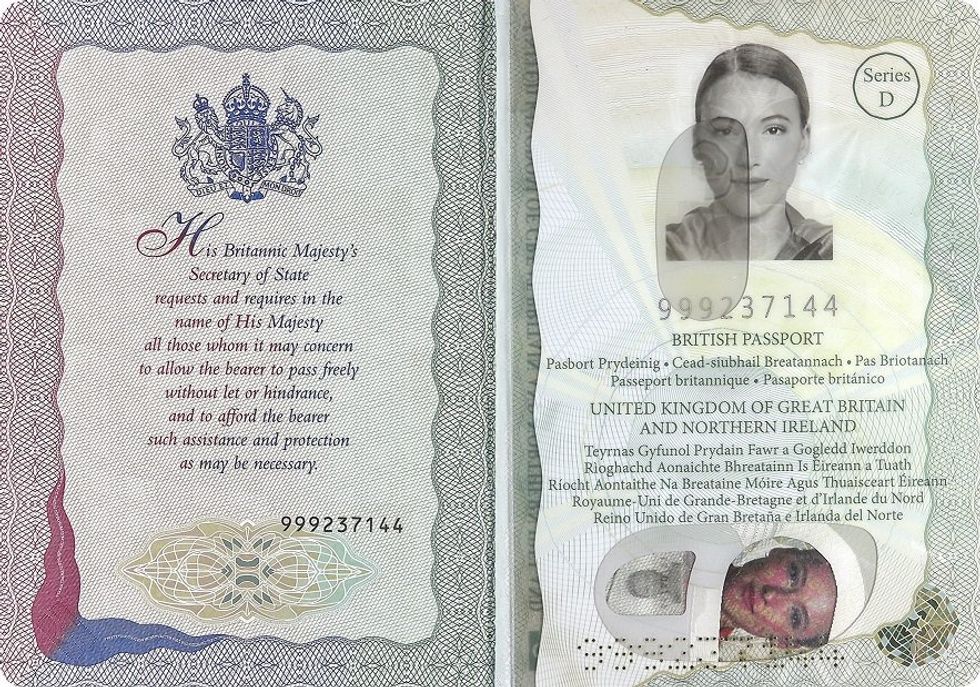
The new travel document bears King Charles’ emblem on its cover, replacing the previous design.
According to the Home Office, these passports represent the most secure version Britain has ever produced.
Advanced anti-forgery technology has been incorporated into the updated design.
Approximately 300 of the new passports have already entered circulation bearing the King’s insignia.
The redesign is in part a bid to strengthen border security and celebrate British heritage through the new visual elements inside.
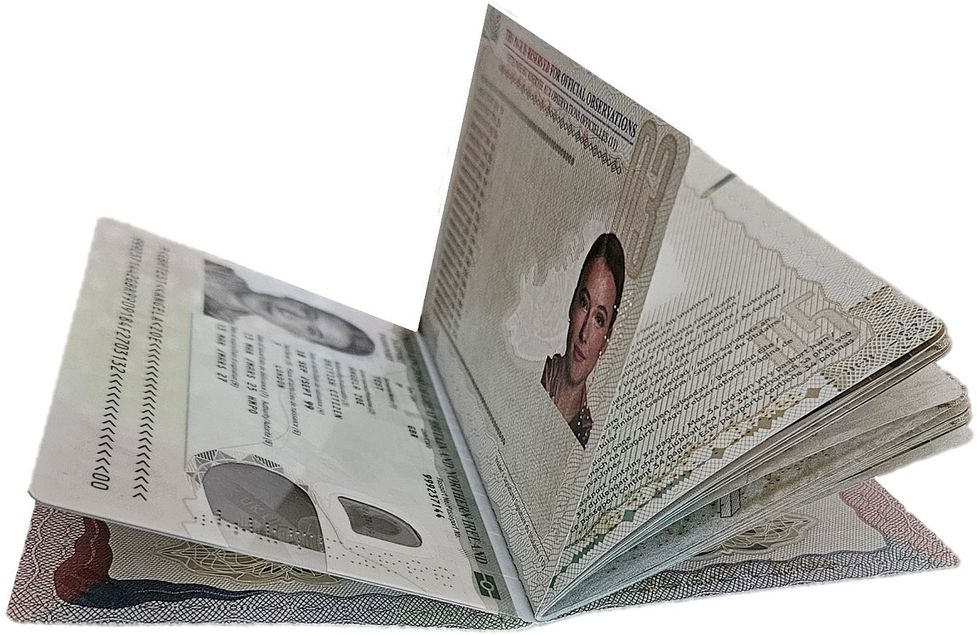
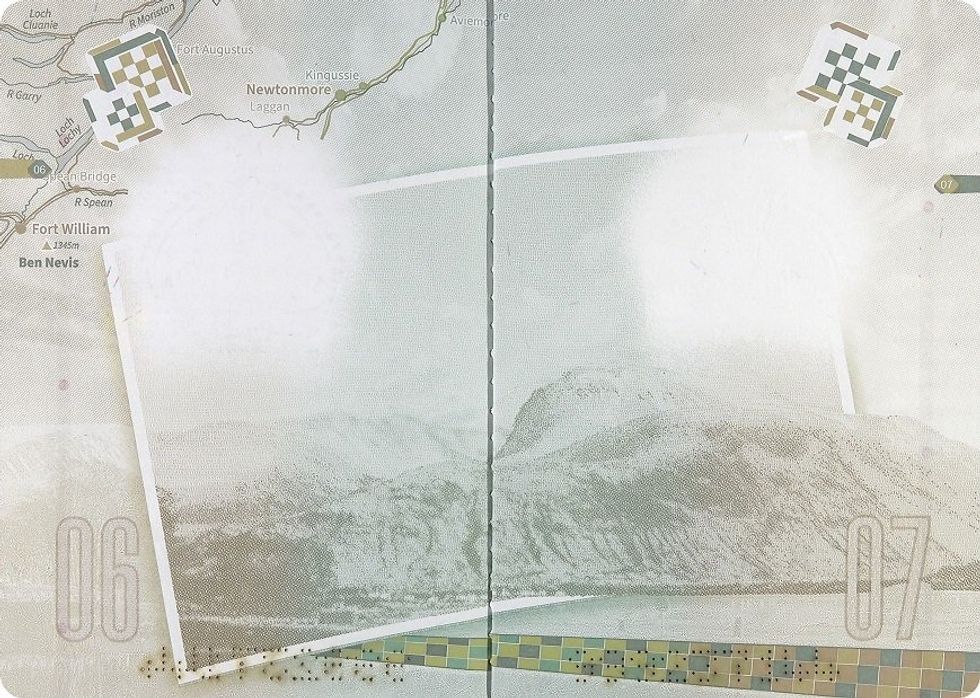
Natural landscapes from across the four Home Nations feature prominently in the passport’s interior pages.
Each country is represented through imagery of Unesco-protected sites.
Scotland appears through Ben Nevis, whilst England is depicted via the Lake District.
Wales features Three Cliffs Bay, and Northern Ireland is showcased through the Giant’s Causeway.
The initial batch of 300 marks the beginning of a wider rollout as existing stock is gradually replaced with the updated version.
Migration Minister Mike Tapp said: “The introduction of His Majesty’s Arms, iconic landscapes, and enhanced security features marks a new era in the history of the British passport.”
PASSPORT UPDATES – READ MORE:
- Passport prices set to rise next month in major cost of living blow to Britons
- Travelling to Europe? Everything Britons need to know about new EU rules rolling out this weekend
- British holidaymakers warned ‘important’ passport rule to avoid paying hundreds of pounds
“It also demonstrates our commitment to outstanding public service – celebrating British heritage while ensuring our passports remain among the most secure and trusted in the world for years to come.”
The Government has emphasised that the updated design supports its push to get to grip’s with Britain’s border crisis.
According to official guidance, the new features help prevent illegal entry by individuals without the right to be in the country.
The passport incorporates holographic and translucent elements designed to make verification easier and counterfeiting significantly harder.
But the new measures are only the latest additions in a decades-long list of security enhancements.
Britain’s first modern passport appeared in 1915, with watermarks introduced as its first security feature in 1972.
Since then, HM Passport Office has implemented numerous additional protections, including intricate patterns that resist replication and elements visible only under ultraviolet light.
Holders of passports bearing Queen Elizabeth II’s Coat of Arms need not worry about the change, however.
Existing documents – even the older red ones – remain fully valid until their printed expiry date, regardless of the new design’s introduction.
Our Standards: The GB News Editorial Charter



Follow