



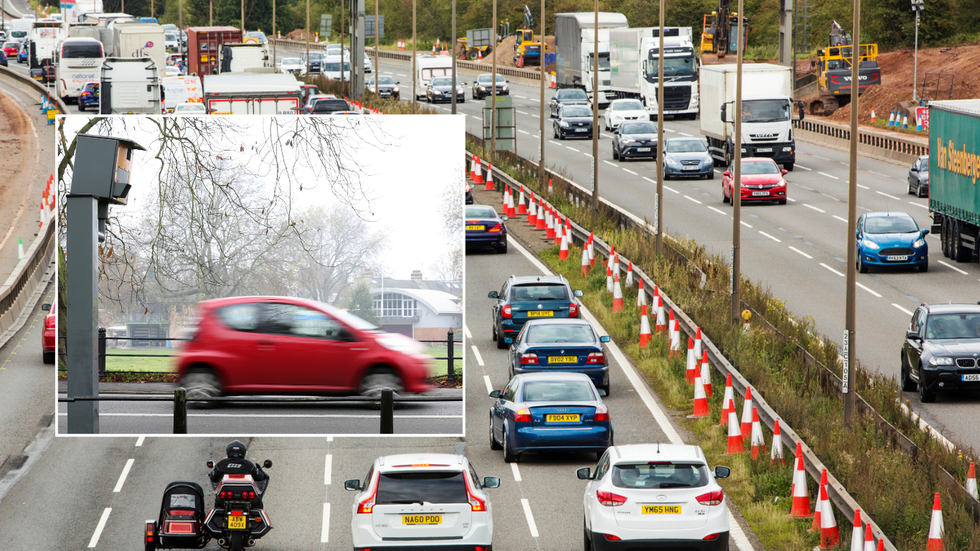
Thousands of motorists have been wrongly fined for speeding after a serious error with motorway speed cameras, a failure now under investigation by the Transport Secretary.
Heidi Alexander has ordered an independent inquiry into National Highways after a malfunction meant drivers were penalised even when they were obeying the rules.
The fault, described by officials as an “anomaly”, involved speed cameras failing to update quickly enough when speed limits changed on overhead signs.
In some cases, drivers were fined even though the limit had already been raised. In others, they were penalised before having enough time to slow down after a reduction.
The mistake has now been labelled a major failure in how the roads agency managed and monitored the technology used on England’s busiest roads.
An independent review, expected to be announced this week, will look at whether National Highways acted quickly enough once the problem was discovered – and whether senior figures should face disciplinary action.
A non-executive director from the Department for Transport will chair the inquiry, which will focus on leadership, accountability and governance inside the agency.
The Department for Transport said: “The travelling public must have confidence that technology on our roads works as intended. An independent review will examine how the anomaly occurred, how it was handled, and what changes are needed to ensure this cannot happen again.”
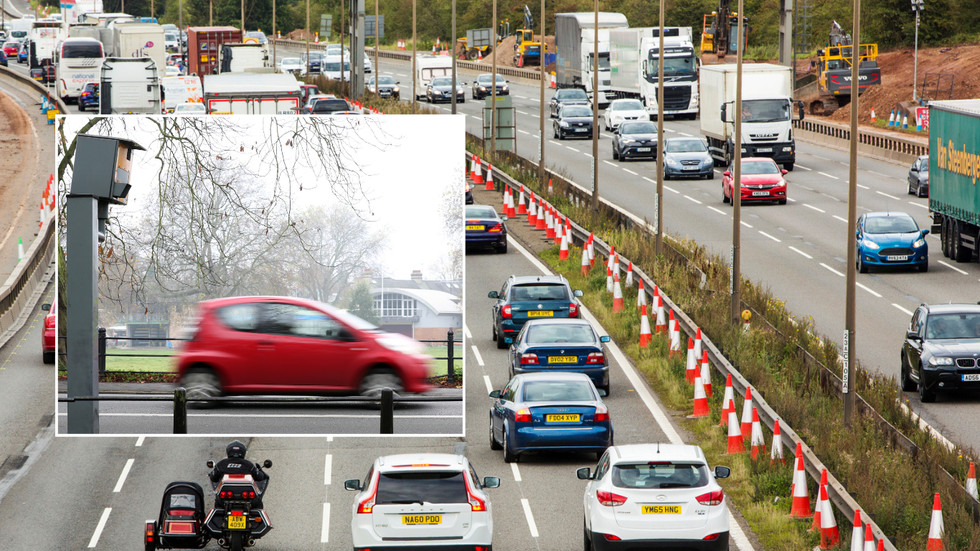
The problem dates back several years. A software upgrade to speed cameras, introduced under the previous government in 2019, created a timing issue between electronic speed limit signs and the cameras enforcing them.
National Highways said the fault caused a delay of around 10 seconds between a speed limit changing sign and the cameras updating their settings.
Since 2021, around 2,650 incorrect camera activations have been recorded. While that averages fewer than two a day, the issue affected around 10 per cent of England‘s motorways and major A roads.
During the same period, more than six million speed camera activations took place on the affected stretches of road.
LATEST DEVELOPMENTS
- Self-driving car trials could prompt protests across UK despite being ‘safer than a human driver’
- Zipcar confirms plans to cease UK operations with 650,000 drivers impacted
- Major car brands debut new models launching soon including Mercedes, Kia, Hyundai and more – full list
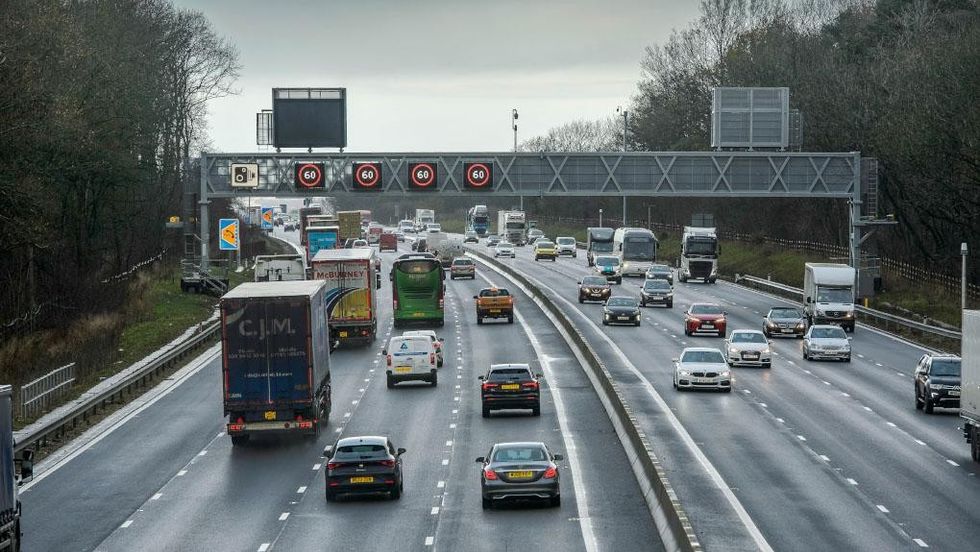
The issue first came to light after a motorist challenged a speeding ticket on the M5 in September 2025. National Highways alerted the Department for Transport on September 10.
By mid-October, ministers were told the problem was not limited to one road but extended across the national network.
Once the scale of the issue became clear, action was taken to stop further wrongful fines. On October 17, National Highways instructed its camera supplier to halt the transfer of variable speed data to police forces.
Last month, the department ordered National Highways to expand its investigation back to 2019 to understand how long the fault may have gone undetected. The National Police Chiefs‘ Council also stepped in, ordering all affected police forces to cancel prosecutions linked to the issue – even if it was not clear whether individual cases were directly affected.
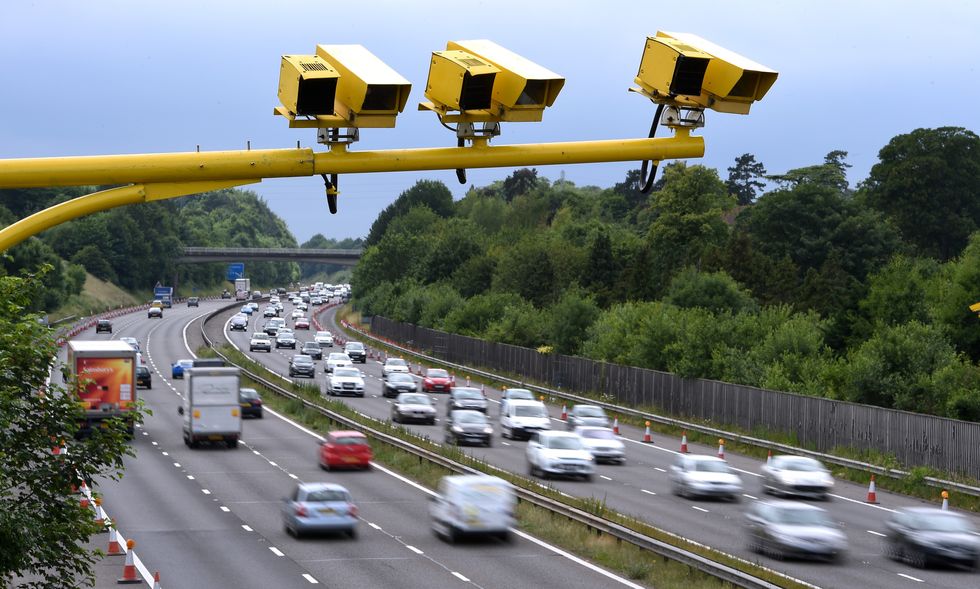
As a result, more than 36,000 drivers have now been told their speed-awareness courses are cancelled. Thousands of fixed penalty notices and court cases have also been dropped.
Police analysis suggested most affected drivers were sent on speed-awareness courses, meaning their financial losses were limited.
However, officials confirmed that thousands of motorists were wrongly prosecuted for speeding or non-payment of fines and may be entitled to larger compensation, while an “extremely small number” were wrongly banned from driving.
The Government has promised refunds for fines, the removal of penalty points and compensation where appropriate. The inquiry will examine whether National Highways missed earlier warning signs, how it handled the problem once identified, and whether it was open and transparent with ministers and the public.
The findings will be reported directly to Ms Alexander, who will decide what action, if any, should be taken against those responsible. Private firms that run speed-awareness courses will also be reimbursed for costs linked to cancelled sessions.
Our Standards:
The GB News Editorial Charter



Follow