



The Government has refused to introduce new laws which would force drivers to report serious road offences for the first time on UK roads.
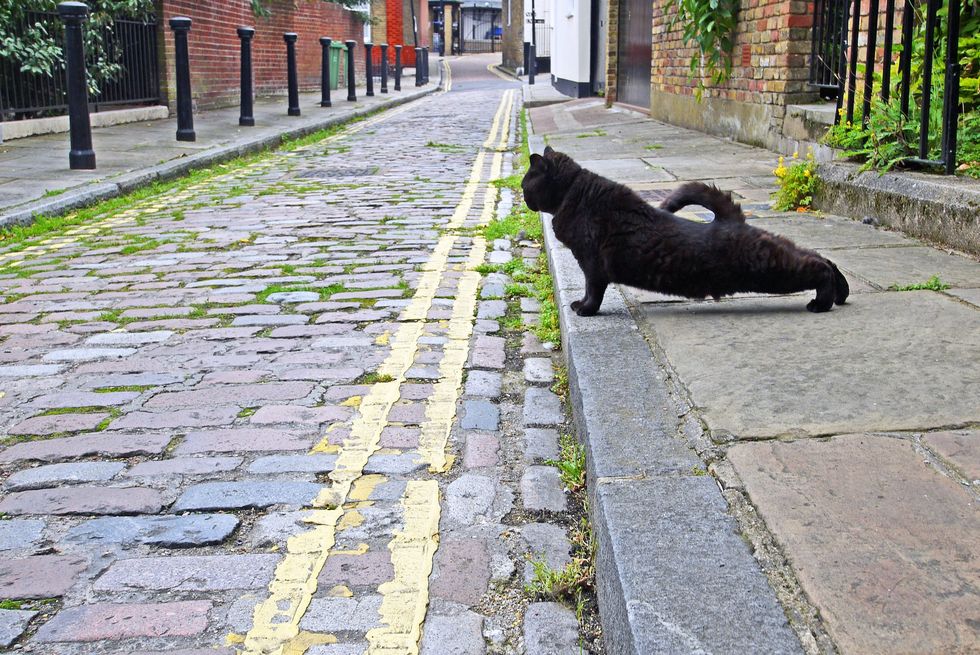
It follows a public petition which called for drivers to be legally required to stop after hitting a cat and take injured animals to a vet.
The petition gathered almost 11,000 signatures before it closed earlier last week, prompting a response from the Department for Transport.
However, in its official response this week, the department said there are no plans to change the law. Ministers also confirmed they will not give police new powers to prosecute drivers who fail to report such incidents.
The petition did not reach the 100,000 signatures needed to be considered for a full debate in Parliament. Despite this, the Government admitted many families are left heartbroken when their pets are killed on British roads.
At present, the law does not force motorists to report crashes involving cats. Under the Road Traffic Act 1988, drivers must stop and report incidents involving animals such as dogs, horses, cattle, sheep and pigs. Cats are not included in this list.
This is because, historically, those protected animals were seen as “working animals” rather than household pets.
The Government said changing the law to include cats would require new primary legislation, meaning Parliament would have to pass a new law or significantly change the existing one.
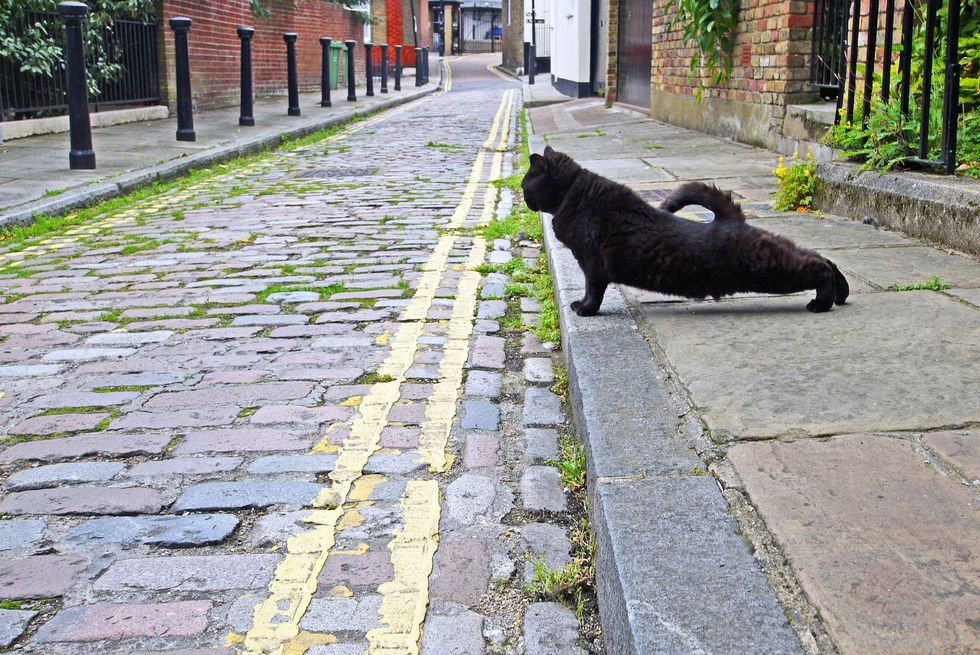
Ministers also pointed to practical problems with enforcing any new rule. Cats are much smaller than animals currently covered by the law. Drivers, especially those in lorries or larger vehicles, could hit a cat without even realising it.
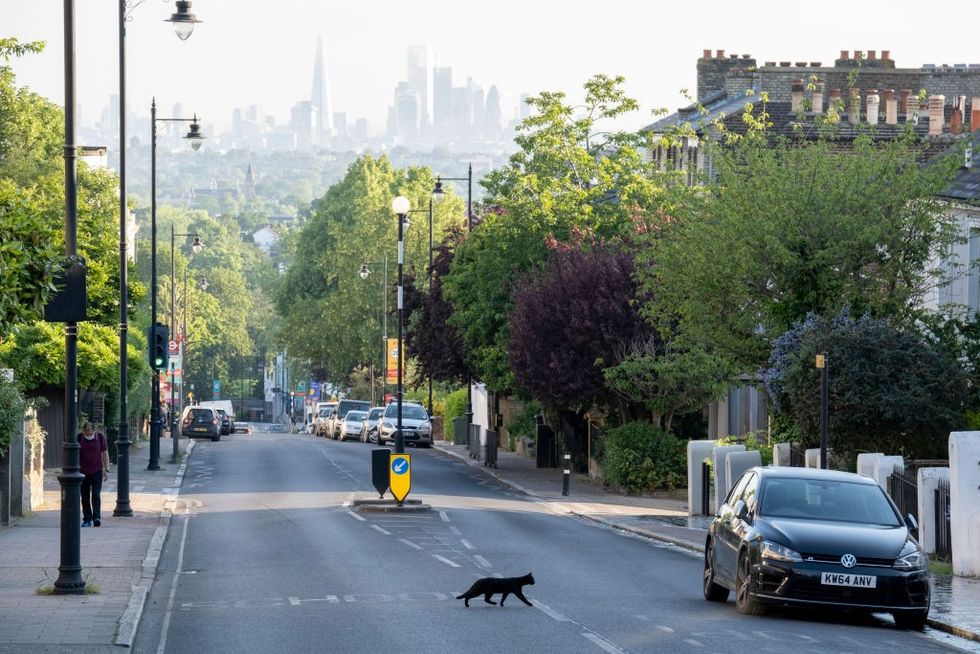
This is made worse by the fact that cats are most active at dawn and dusk, when lighting and visibility are often poor.
Because of this, the Government said it would be extremely difficult to prove a driver actually knew they had hit a cat. Without that proof, prosecutions would be very hard to bring.
While rejecting changes to reporting laws, ministers did highlight several steps already being taken to help cat owners.
LATEST DEVELOPMENTS:
- HMRC car update could see 100,000 fewer petrol and diesel cars on UK roads amid major tax overhaul
- Number plate law changes gain mass support in ‘explosive’ report as drivers face tough crackdown
- Labour unveils major self-driving car update as vehicles could be seen on UK roads within months
Since June 2024, it has been compulsory for pet cats in England to be microchipped by the time they are 20 weeks old, unless they are exempt or living freely. The aim is to make it easier to reunite lost or injured cats with their owners.
The Department for Environment, Food and Rural Affairs said it is also working with animal welfare groups to raise awareness of the microchipping rules.
In addition, the Government has commissioned research to find out why some cats involved in road accidents are not returned to their owners. The study will look at problems faced by local councils and vets, and how the system could be improved.
The petition was started by a cat owner whose own pet was killed after being hit by a car. The tragedy drove their campaign to change the law.
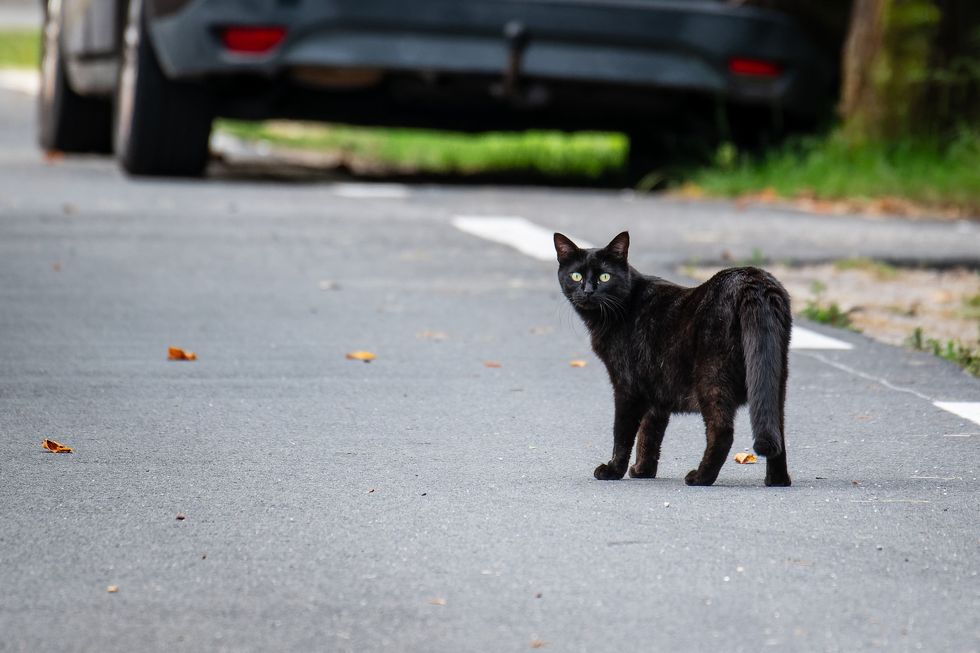
In its response, the Government said it understands the emotional pain families feel when pets are lost in this way.
Ministers described the UK as “a compassionate country” and encouraged drivers to act responsibly.
Although there is no legal duty, the Government urged drivers to make reasonable efforts to identify and contact an owner if they believe they have hit a domestic animal.
The Government thanked the petitioner for raising the issue and said it recognised the real distress caused by these incidents.
Our Standards:
The GB News Editorial Charter



Follow