




Labour has been criticised over its plan to introduce mandatory eyesight tests for drivers aged 70 and over, warning the move unfairly targets older motorists and risks being “disproportionately negative”.
The proposals, announced this week by the Department for Transport, form part of the new Road Safety Strategy and would scrap the current self-certification system.
Instead, drivers would need to prove they meet eyesight standards when renewing their licence at 70 and then every three years after that.
Age UK has warned that the new requirements go too far and singles out older people who already take road safety seriously.
Caroline Abrahams, charity director at Age UK, said: “Age UK believes that requiring evidence from an eye test, together with raising the age at which this is required to age 75, would be a balanced, evidence-based approach.
“But to do the first without the second feels disproportionately negative so far as older drivers are concerned, the overwhelming majority of whom take their responsibility very seriously to be safe on the road.”
The charity argued that if compulsory eye tests are introduced, the age threshold for licence renewal should also be raised to 75.
This recommendation was previously made by an Older Drivers Taskforce backed by the Department for Transport.
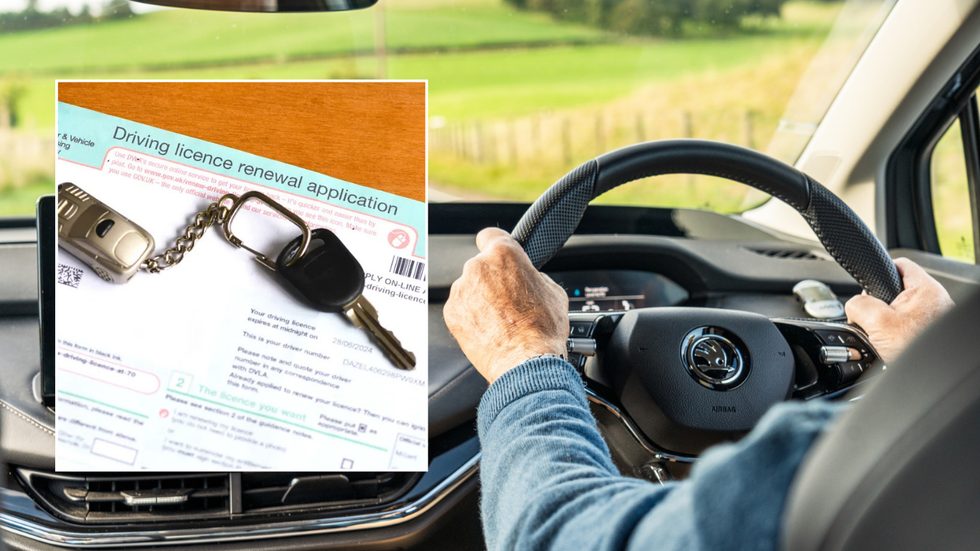
That task force concluded the current age of 70 was chosen largely at random more than 50 years ago. In 1971, when the rule was introduced, male life expectancy was just 68 and female life expectancy was 72. Both have risen sharply since then.
Age UK also pointed out that cars are far safer today, with modern safety features significantly reducing the risk of serious injury in crashes.
Ms Abrahams added: “When a previous Department of Transport supported Older Drivers, Taskforce looked at these issues in detail, they also recommended a move away from self-certification, but they coupled it with a proposal to raise the age at which you have to renew your licence to age 75.”
There are currently more than 6.3 million drivers aged 70 and over holding full car or motorcycle licences in Britain. Around two million older motorists go through the renewal process every year.
LATEST DEVELOPMENTS
- Major car brand faces £4.5billion hit after scrapping electric vehicle plans as demand plummets
- Labour urged to protect ‘riskiest’ drivers as millions roam free on UK roads despite high fatality rates
- Motorists risk invalidating insurance policies as Storm Goretti causes thousands of abandoned vehicles
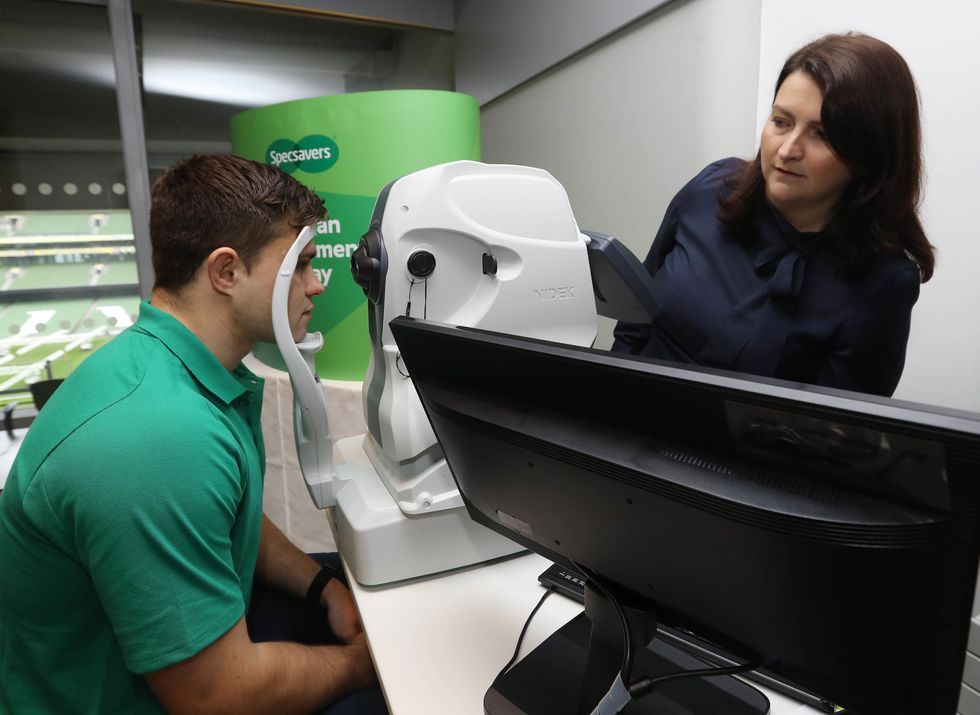
The number of older drivers has risen by 60 per cent since 2012, when fewer than four million people over 70 held licences. Government forecasts suggest this figure will approach seven million by 2030.
Transport Minister Lilian Greenwood acknowledged that driving is vital for many older people, especially those living in rural areas where public transport is limited. She said holding a licence often means independence, freedom and staying socially connected.
However, the Government said road safety must come first, with officials pointing to worrying casualty figures involving older drivers.
In 2024, 1,224 car drivers aged 70 or over were killed or seriously injured on British roads, which represented a seven per cent increase compared with 2014. Nearly a quarter of all car drivers who died last year were in this age group.

Road collisions also placed a heavy financial burden on the NHS, costing an estimated £3billion in medical and ambulance expenses in 2024, while lost economic output from crashes cost £6.9billion.
Several high-profile fatal crashes involving older drivers have added pressure for reform. Coroners in England and a Fatal Accident Inquiry in Scotland have questioned whether self-declaration would be strong enough, particularly in cases where eyesight problems were involved.
Ms Abrahams said: “While requiring an eye test may be a sensible safeguard to bring in now, one that reflects practice in a number of other similar countries, no one should think that in and of itself it will lead to a significant reduction in road traffic accidents, because the data suggests that poor eyesight among older drivers is not a leading cause.”
Several European countries, including Spain, Italy, Denmark and the Netherlands, already require eyesight checks for older drivers. The Government’s consultation on the proposals remains open until March 31.
Our Standards:
The GB News Editorial Charter



Follow