



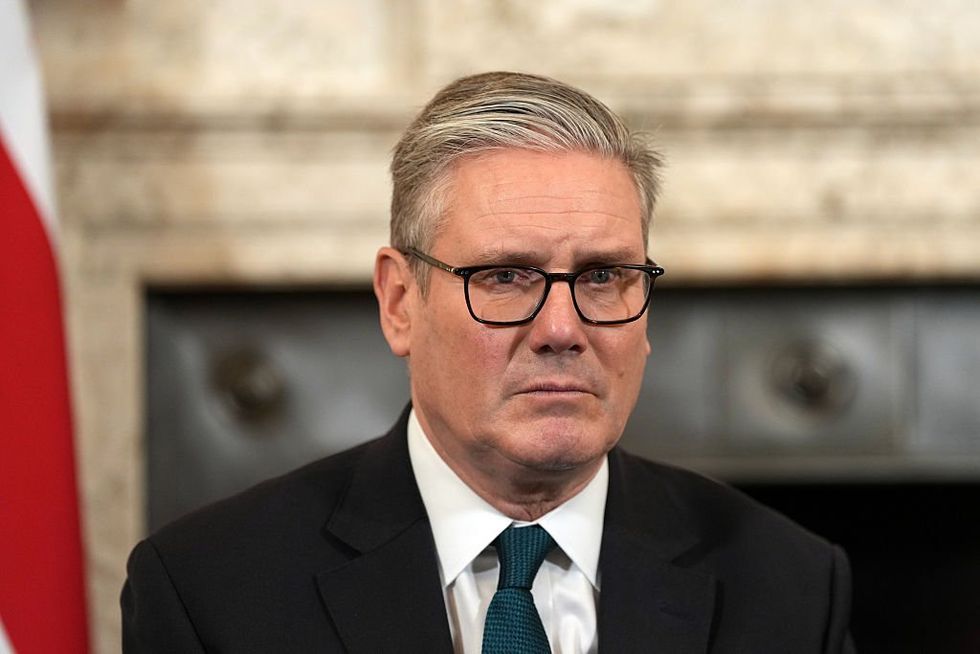
Labour ministers are set to introduce legislation on Tuesday that will abolish the two-child benefit cap, a move expected to cost £13.6billion over the next five years.
The restriction on means-tested benefits, introduced in 2017, currently affects around 470,000 families across Britain who have three or more children.
Under the existing policy, households lose approximately £3,455 in benefit payments for each child born after their first two.
The Government has said the change will lift hundreds of thousands of children out of poverty once the cap is removed.
Critics have highlighted that a significant proportion of the families affected by the policy have no adult in employment. Families impacted by the change are expected to receive average payments totalling around £25,000 by the end of the decade.
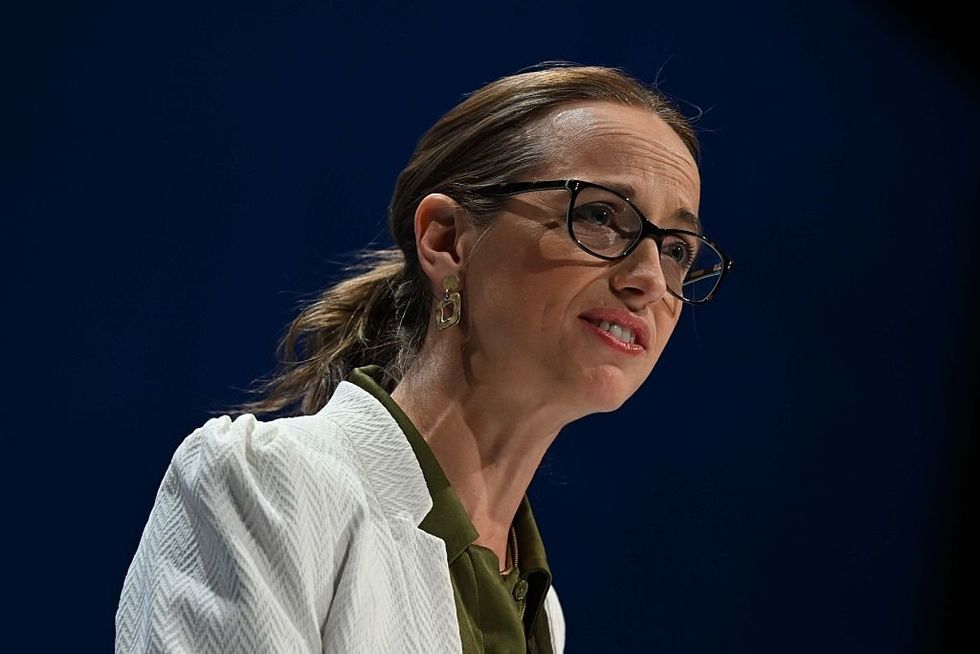
Shadow Work and Pensions Secretary Helen Whately accused Labour of prioritising welfare spending over employment, saying: “Labour are unleashing a £14billion benefits spending spree
“Worse, this shovels nearly half the cash to jobless households with average payouts of £25,000. Work is being punished while worklessness is rewarded.
“Keir Starmer was happy to take money away from pensioners, but he does not have the backbone to say no to his own MPs when they demand runaway welfare spending.”
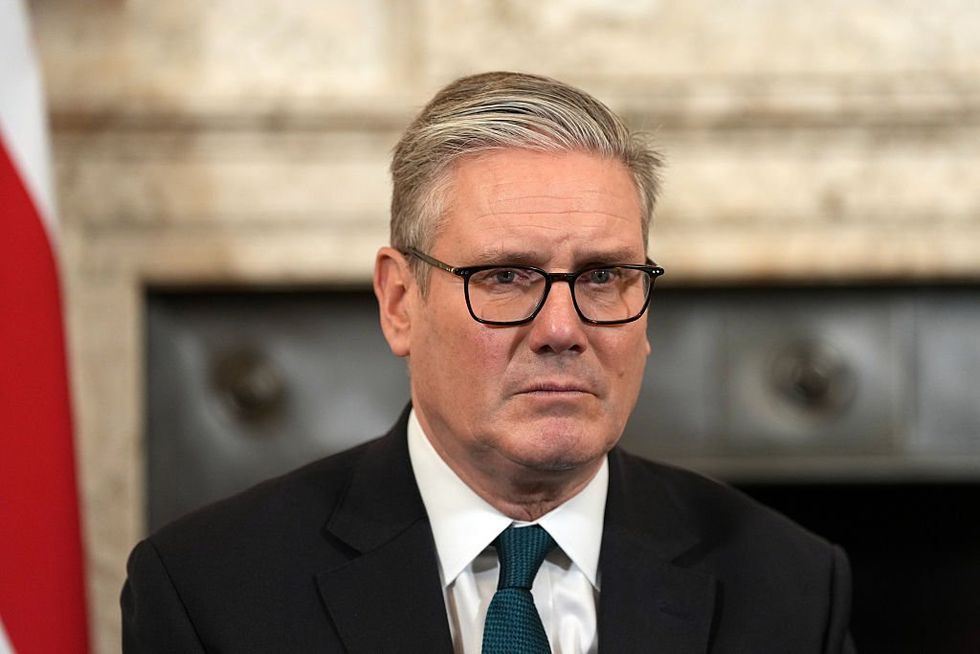
Figures published by the Department for Work and Pensions (DWP) show around 40 per cent of families affected by the cap have no working adult in the household.
A breakdown of the data highlights the number of larger families set to benefit from the change. Nearly two-thirds of affected households, around 297,000 families, have three children. Around 117,000 households have four children.
A further 37,000 families have five children. Department for Work and Pensions figures also show that 18,260 households contain six or more children.
The financial impact of the policy change will be greater for families with more children. Households with five children are expected to receive additional payments of around £10,900 each year.
Families with six children are set to receive approximately £16,600 more annually once the cap is lifted.
LATEST DEVELOPMENTS
- ‘Sick of it!’ GB News guest shreds Labour plans to make countryside ‘less white’ in unforgiving rant
- ‘Peter Mandelson’s downfall is the legacy, the culmination, the ultimate conclusion of New Labour’
- ‘Totally bonkers!’ Reform council leader blasts Labour after No10 eyes up council homes for migrants
HMRC data shows that child benefit is currently paid to more than 16,000 families with six children.
The same data indicates payments are made to more than 5,000 families with seven children. HMRC records also show 15 households receive child benefit for families with thirteen children or more.
Labour has defended the policy by pointing to growth in welfare spending under previous Conservative governments.
A spokesman said, “The welfare bill rocketed by nearly £60billion under the Tories. They are delusional to think anyone would take advice from them.”
They claim their policy would lift nearly half a million children out of poverty, accusing Reform and the Conservatives of wanting to reverse the change.
Work and Pensions Secretary Pat McFadden is expected to argue today that childhood poverty carries a lifetime cost of £1million per child through reduced educational attainment and lower long term earnings.
Labour sources have said Conservative assessments do not account for these long term economic effects.
Research published last year by the Institute for Fiscal Studies found that the introduction of the two child cap had no significant effect on children’s school readiness at age five.
Reform UK has said it would only remove the cap for families where both parents are British born and employed full time.
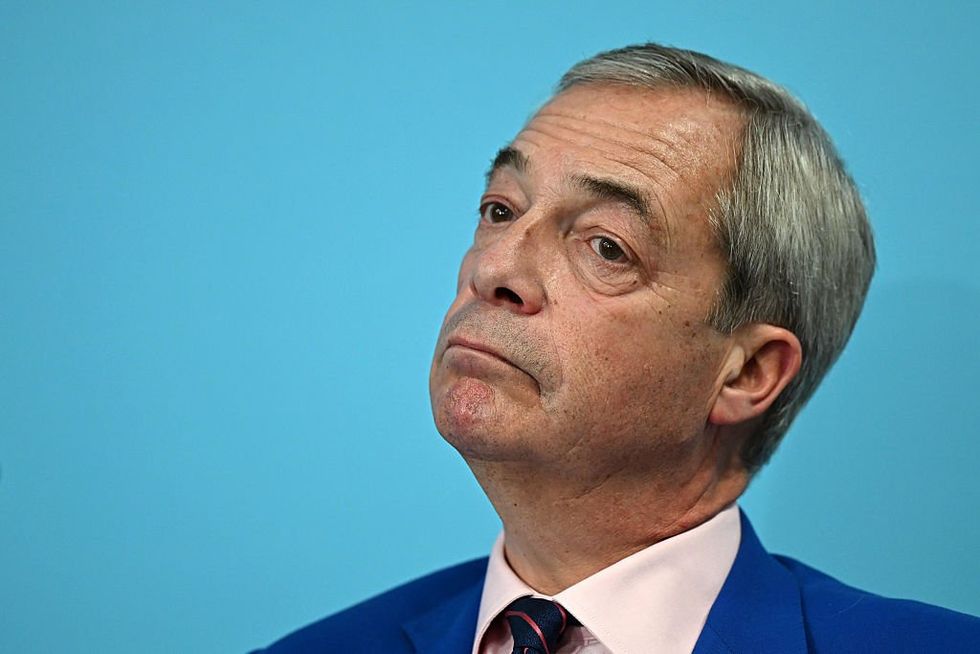
Party sources estimate this approach would benefit around 3,700 households, compared with the 470,000 families expected to benefit under Labour’s proposal.
A separate overall benefits cap remains in place, which currently stands at £25,320 a year for households in London.
Outside London, the cap is set at £22,020.
Some Labour backbenchers are reported to be pushing for these thresholds to be increased.
Our Standards:
The GB News Editorial Charter



Follow