



Labour has confirmed its intention to introduce legislation requiring all vehicles sold in Great Britain to carry both GB and EU type approval markings, enabling their sale across the entire United Kingdom, including Northern Ireland.
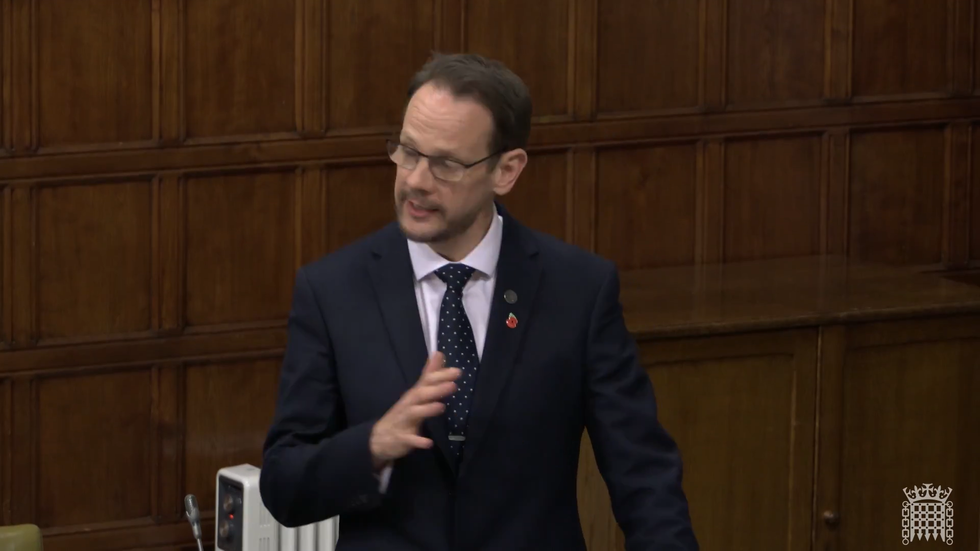
Transport Minister Simon Lightwood MP delivered the announcement to the House of Commons this week, stating the measure would be implemented unless manufacturers voluntarily commit to dual marking as standard practice.
Alongside the Parliamentary statement, the Department for Transport published a call for evidence seeking industry input on the proposed approach.
The consultation period runs until February 12, 2026, with the Government encouraging motor industry stakeholders to participate in finding a solution that safeguards the UK’s internal market.
A GB type approval scheme for passenger and commercial vehicles came into force in 2024, establishing a regulatory framework to verify that vehicles meet mandatory safety and environmental standards before entering the market.
Manufacturers were granted a two-year transition period to bring all their vehicle models onto the new scheme, with full GB approval becoming mandatory for all existing vehicle types from February 2026.
Under the Windsor Framework, EU-type approval requirements continue to apply in Northern Ireland, meaning vehicles must display EU approval markings to be sold there.
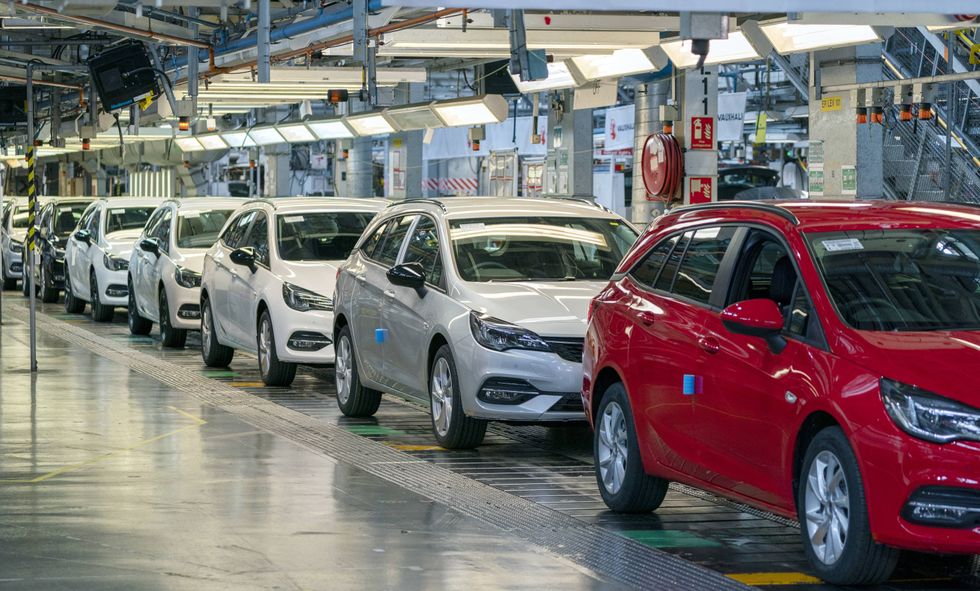
For a vehicle to be eligible for sale throughout the entire UK, it must hold approval and carry markings from both the GB and EU schemes or display a UKNI approval issued by the Vehicle Certification Agency.
While the majority of vehicle models are being dual-marketed, the Government acknowledged that some manufacturers are choosing not to follow this approach.
This has created difficulties for Northern Ireland dealerships and customers, who cannot source certain vehicles from Great Britain and must instead order from factories supplying EU-marked models.
The Government said many GB-only marked vehicles are technically identical to their EU counterparts, with the sole difference being the approval number displayed.
Consequently, Northern Ireland buyers may face longer waiting times for vehicles that match their requirements, even when suitable models sit available in Great Britain.
LATEST DEVELOPMENTS
- Major car brand achieves historic ‘milestone’ with millions of drivers set to benefit
- Drivers warned of traffic nightmare TODAY as millions risk long delays on M4, M5, M25 and more
- Millions could see new driving licence changes introduced as Labour launches vital safety campaign
Ministers have engaged extensively with manufacturers and Northern Ireland dealerships to address these concerns, recognising that the current situation risks disadvantaging businesses and consumers in Northern Ireland compared to those elsewhere in the UK.
The Government has now sought to reassure the motor industry about its commitment to maintaining regulatory alignment between the GB and EU schemes.
In June this year, Transport Minister Lilian Greenwood MP wrote to the Society of Motor Manufacturers and Traders pledging that the DfT would monitor EU regulatory developments and adopt an explicit presumption in favour of alignment.
This approach aimed to enable manufacturers to design products suitable for sale throughout the UK while minimising duplicative administrative requirements.
Recent updates to the GB scheme demonstrate this commitment, including removing the need for separate EU and GB approvals for emergency call components and implementing international UN regulations covering cybersecurity and software updates.
The EU remains the largest export destination for UK-manufactured cars, accounting for approximately 54 per cent of exports, or more than 300,000 vehicles, in 2024.
The proposed legislative solution would amend the GB type approval scheme to prevent the Vehicle Certification Agency from issuing a GB approval certificate unless satisfied that the vehicle model also holds EU approval and carries the appropriate marking.
Research has warned that without urgent support, around 17,500 jobs and contributing more than £3billion a year to the economy could be at risk in Northern Ireland.
This requirement would ensure every vehicle placed on the Great Britain market could automatically be sold to customers in Northern Ireland.
Our Standards:
The GB News Editorial Charter



Follow