



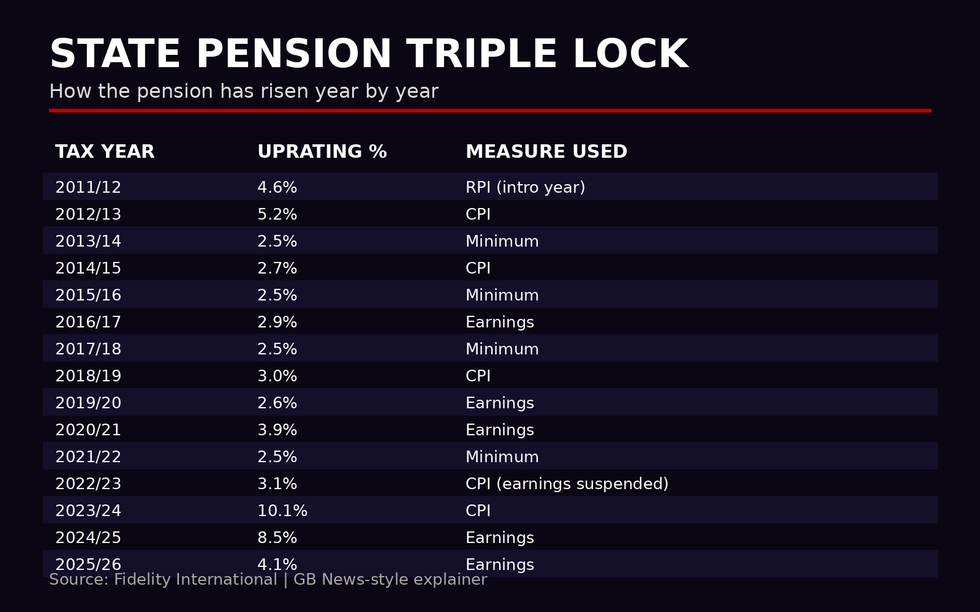
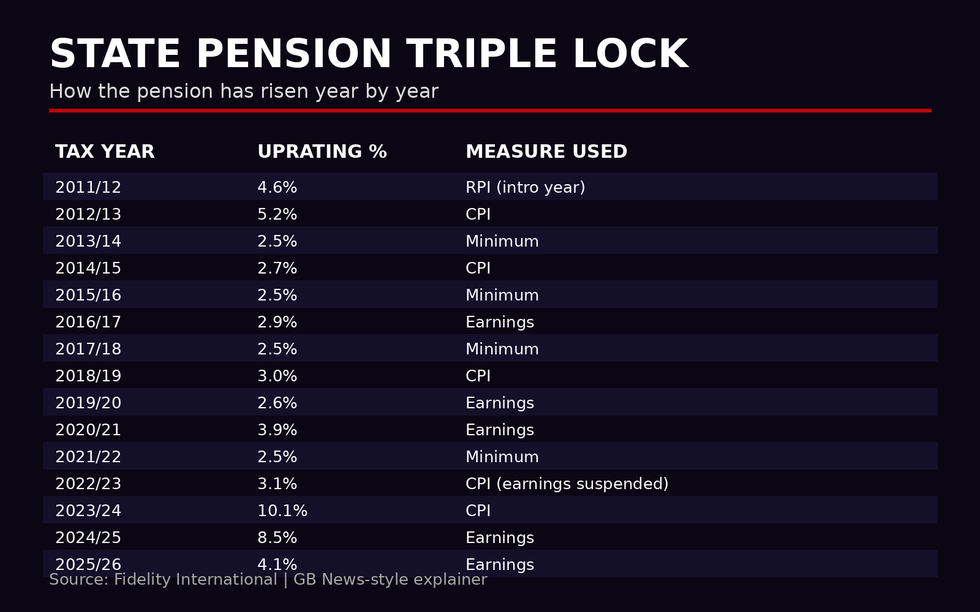
The Labour Government is being urged to “end state pensions for incomes over £50,000” and axe the triple lock, which is the mechanism used to determine annual payment hikes for the retirement benefit.
A new petition launched on the Parliament website is demanding significant overhauls to the UK’s state pension regime, which members of the public calling on means-testing to be introduced..
David Matthews, who created the campaign titled “Review, reform and means-test the state pension and scrap tuition fees,” is proposing three major changes that would redirect government spending towards eliminating university tuition fees.
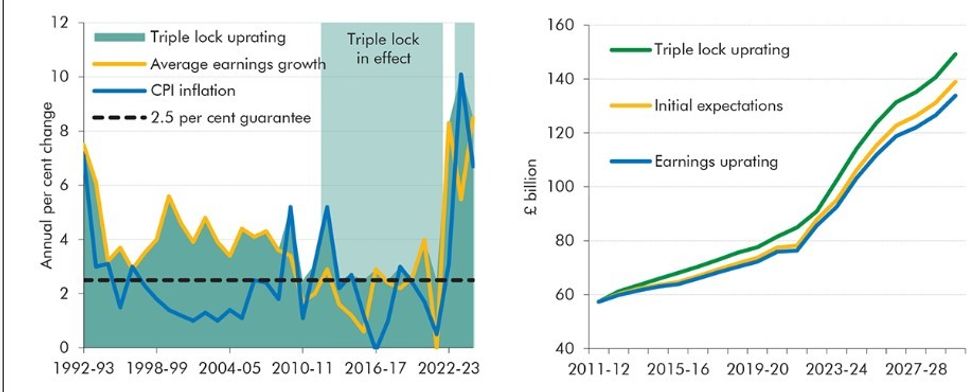
The proposals include abolishing the triple lock mechanism, which guarantees state pension payment rates increase every year by either the rate of inflation, average wage growth, or 2.5 per cent; whichever is highest.
Mr Matthews also advocates for introducing means-testing measures that would reduce payments to certain pensioners based on their existing income from other sources.
Under the petition’s recommended reforms, pensioners receiving £20,000 or more annually from private defined benefit schemes would face reduced state pension entitlements.
The most controversial element targets higher earners, with Mr Matthews calling for the complete withdrawal of state pension payments from individuals whose annual income exceeds £50,000.
As it stands, the state pension functions as a contributory benefit, with eligibility for payments being predicated on National Insurance contributions made by workers during their careers.
The amount each person receives depends on their individual National Insurance record, with 35 years of contributions being needed to qualify for the full, new state pension.
According to the petition, the current state pension expenditure of almost £150billion annually is not sustainable, with the Office for Budget Responsibility (OBR) also sounding the alarm over the benefit’s expense on the public purse.
The petition states: “We believe those with the broadest shoulders should support an approach which keeps the Chancellor within her borrowing limits and protects priority departments, like the NHS and Defence.”
Mr Matthews’ campaign also highlights concerns about young people facing excessive financial burdens, with the petition declaring: “We believe £50,000 in debt for students is too much.”
LATEST DEVELOPMENTS
- Labour urged to ‘remove triple lock’ as young Britons pushed into unemployment
- DWP scandal as households to pay £12,200 a year towards Rachel Reeves’s benefits bill
- State pension age row heats up as Britons back £3k compensation payouts to Waspi women
Should the petition gather 10,000 signatures, it will qualify for a formal written response from the Government. If it receives 100,000 signatures, it will be considered for a debate in Parliament.
However, the petition is far from either of these targets, with only around 30 signatories signing up to Mr Matthews’ call to action. The Labour Government has already distanced itself from any such reforms.
In December 2025, the DWP means-testing the state pension does not form part of its policy agenda. Work and Pensions Secretary Pat McFadden addressed the matter during parliamentary questions, responding to Labour MP Catherine Fookes.
The Monmouthshire representative had raised concerns about Conservative proposals for means-testing discussed at their party conference, noting pensioners in her constituency who “have worked hard all their lives and built up modest savings” were worried about losing their entitlements.
She shared: “At the Conservative Party conference, the shadow Chief Secretary to the Treasury called for the State Pension to be means-tested. This has caused deep concern to pensioners in Monmouthshire who have worked hard all their lives and built up modest savings.
“Under the Conservative party’s plans, they would risk losing their state pension. Will the Secretary of State confirm that, under this Labour Government, the state pension will remain available to all?”
In response to the Labour MP’s question, Mr McFadden replied: “I am happy to say that what (Ms Fookes) says about means-testing is not the Government’s policy.”
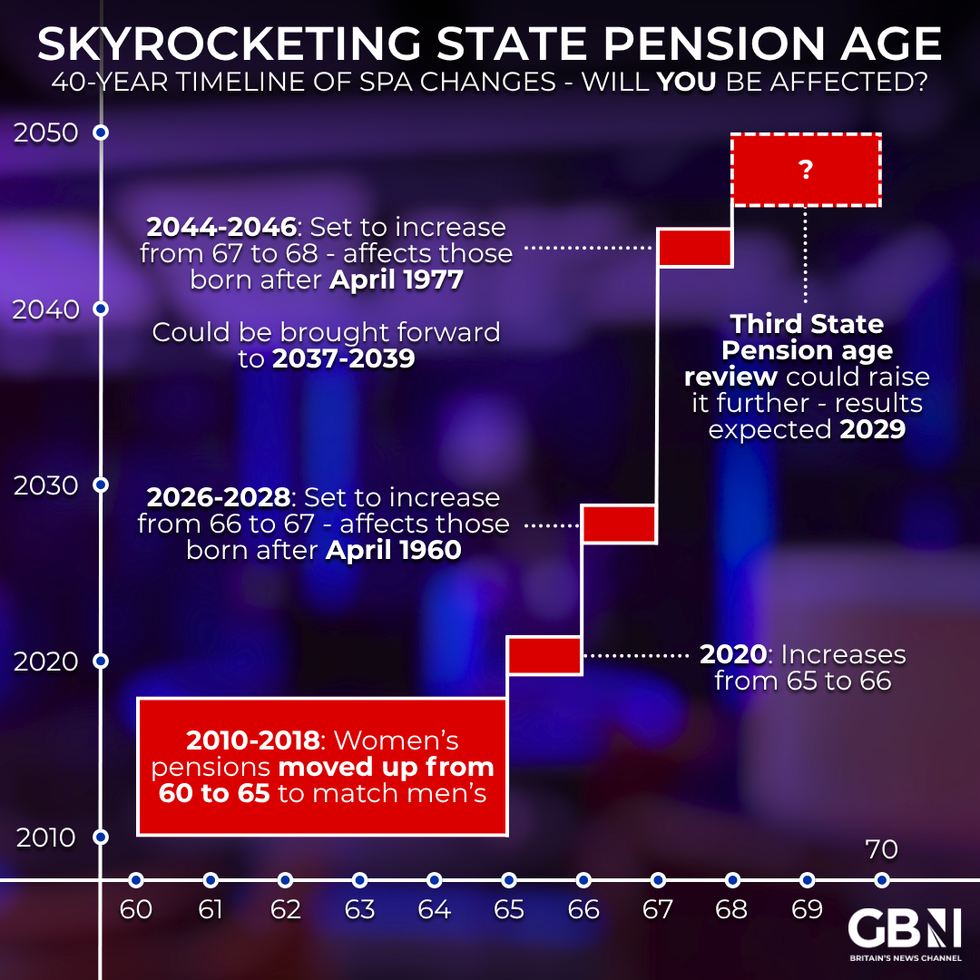
Claimants of the state pension will see their payments rise once again in April 2026, with the retirement age threshold expected to be raised to 67 for thousands later this year.
Our Standards:
The GB News Editorial Charter



Follow