



Millions of motorists could be caught out by sweeping changes to driving laws coming in this year as part of the new Road Safety Strategy, with research revealing a worrying lack of awareness among drivers.
Reports found just one in four Britons know about the upcoming changes being introduced by Labour, despite the proposals leading to higher fuel prices, tougher driving standards and mandatory eyesight tests for older car owners.
The findings, from car insurance experts at Confused.com, suggested many motorists could soon face heavier penalties or rising costs simply because they do not know the rules are changing.
Among the biggest concerns is the end of the fuel duty freeze coming in September, which has been in place since 2022. When the current 5p cut is scrapped later this year, drivers risk seeing prices jump at the pumps.
According to reports, the average motorist already spends around £82 a month on fuel, nearly £1,000 a year, with 41 per cent of drivers saying fuel price rises would affect them the most.
Nearly a third (31 per cent) admit they would have to drive less if fuel costs increase, while a quarter (23 per cent) said driving could become unaffordable altogether.
Despite this, only 39 per cent of drivers remain aware of the impending fuel duty rise, leaving millions exposed to higher costs. Another major change on the horizon is the introduction of mandatory eyesight tests for drivers over the age of 70 when they renew their licence, and every three years thereafter.
At present, older drivers only need to self-declare that their eyesight meets legal standards. But under the proposed rules, they would need to make a legal declaration confirming their vision has been formally tested.
But despite this, the report detailed how just 42 per cent of drivers know this change is being considered, while (24 per cent said it would directly affect them or a family member.
Drivers must be able to read a number plate 20 metres away, roughly the length of five parked cars. However, research showed eight per cent of motorists only get their eyes tested if they notice a problem, increasing the risk of accidents and prosecutions.
Lower drink-drive limits could also catch drivers off guard. Currently, England and Wales have a higher legal limit than Scotland, but proposals could see it reduced in line with stricter rules north of the border.
At present, the legal limit of alcohol is 35 micrograms of alcohol per 100 millilitres of breath in England, Northern Ireland and Wales, with a desire for this to drop to 22 micrograms.
LATEST DEVELOPMENTS
- DVSA uncovers surge in driving test cheats as delays caused thousands to put road safety at risk
- Major car brands issue urgent recall of 980,000 vehicles over serious safety fears – Audi, VW and more
- Elderly drivers dazzled by headlight glare forced to ‘swerve’ across roads – ‘Change is necessary!’
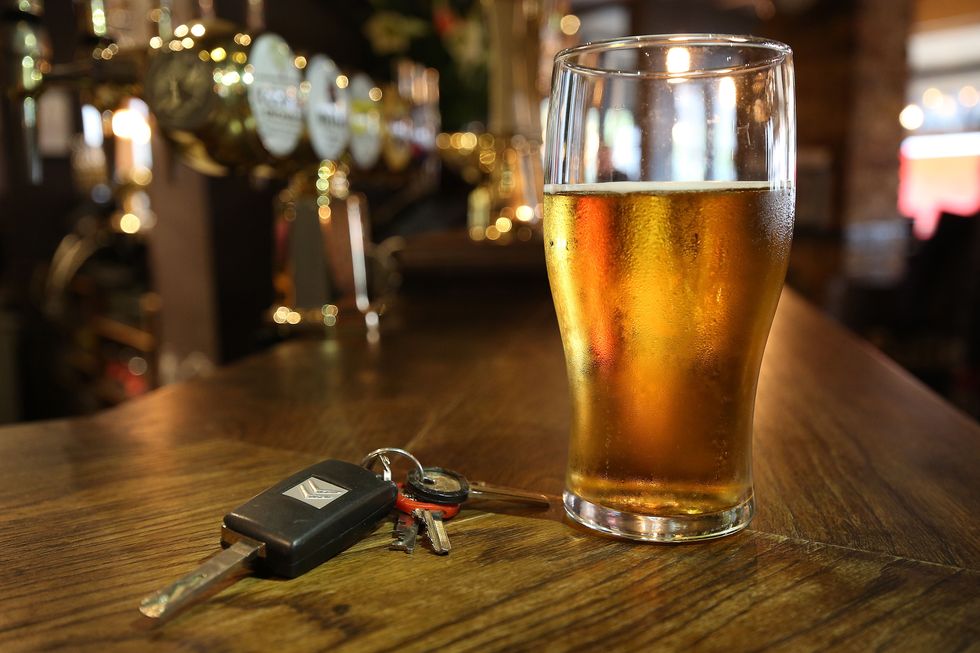
Only 26 per cent of drivers are aware that this change is being considered, despite one third (33 per cent) admitting to regularly driving after drinking alcohol.
But more concerning, previous research found that one in five drivers was comfortable driving after three or more drinks, knowing it broke the law.
If limits are lowered, many motorists could find themselves over the legal threshold, facing unlimited fines, driving bans or even prison sentences.
Rhydian Jones, motoring expert at Confused.com, warned drivers not to sleepwalk into the changes. “Every year we can expect to see some changes to our motoring costs, guidelines and even laws, and this year is no exception,“ he said.
“Many changes coming into effect, or proposed for this year, could see drivers at higher risk of increased costs or penalties – especially if they’re unaware.”
He said staying informed is essential, adding: “Keeping up to date with announcements, law changes and price changes is important – not just to prepare financially, but to ensure you‘re keeping on the right side of the law.“
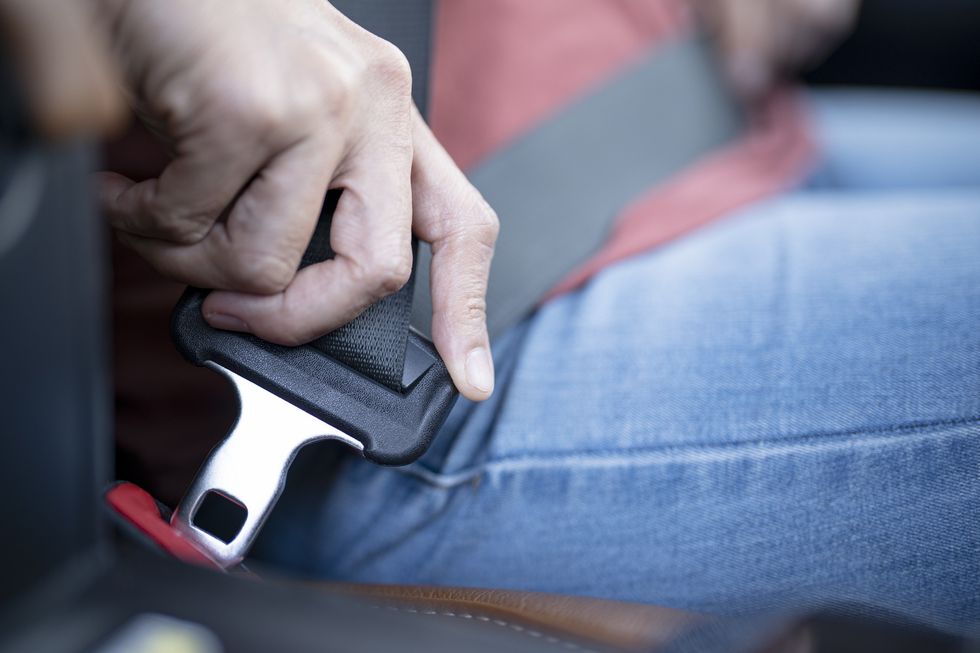
The research also highlighted proposals for stricter seatbelt penalties, which could include points on a licence for the first time. Currently, failing to wear a seatbelt carries a £100 fine, but 15 per cent of drivers admit they still don’t buckle up.
Mr Jones stressed that the changes are about safety, not punishment. “Changes to motoring rules and laws aren’t there to catch you out – they’re there to keep us all safer on the roads.”
Our Standards:
The GB News Editorial Charter



Follow