



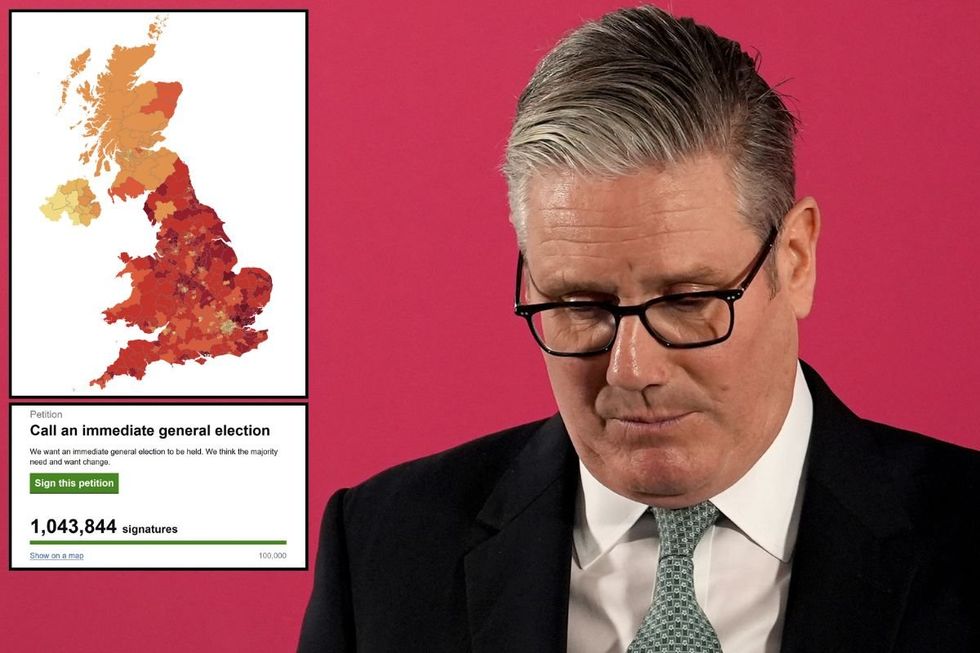
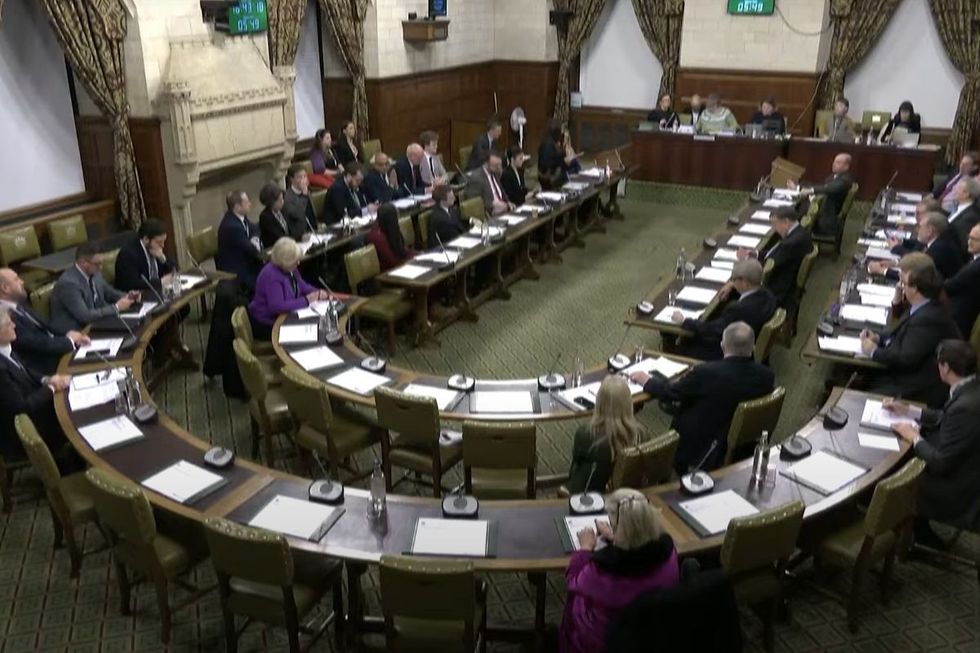
A petition demanding an immediate General Election will be debated by MPs on January 12, the Petitions Committee has confirmed.
Tory MP John Lamont will open the debate and Sir Keir Starmer is expected to send a minister to respond.
More than one million people signed the petition, including almost 3,000 voters in Nigel Farage’s constituency of Clacton.
North West Essex, which is held by Kemi Badenoch, sent more than 2,400 signatures.
Meanwhile, just 611 constituents signed the petition in Sir Keir’s seat of Holborn & St Pancras.
There had been concerns the petition would not return to Westminster Hall to be debated by MPs after a similar petition reached the floor last January.
The first petition, which received more than three million signatures, was set up by publican Michael Westwood.
Signatories were forced to wait 120 days for confirmation that the second petition would be debated by MPs.
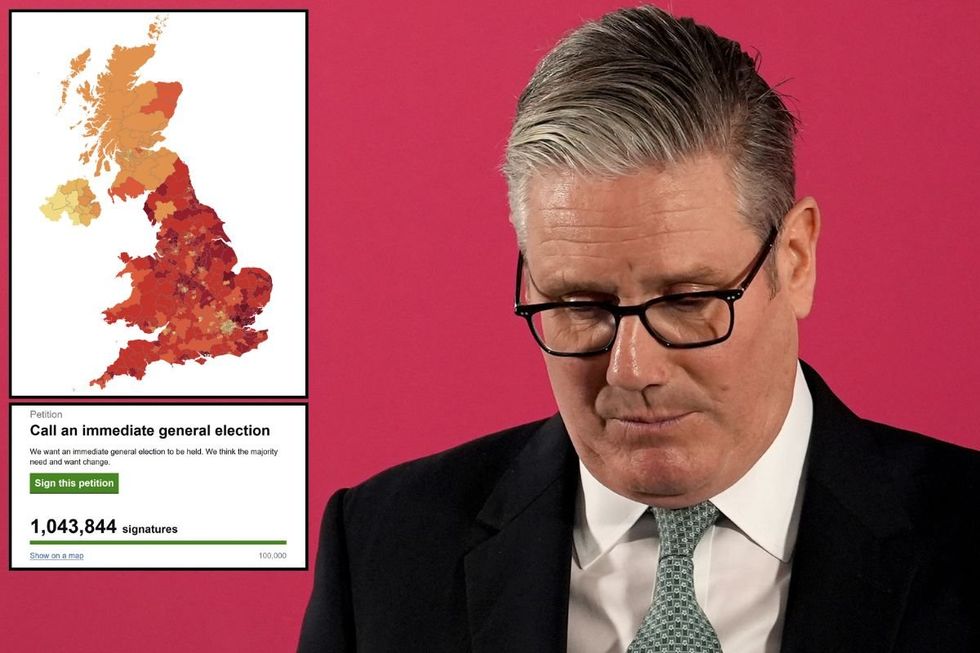
Westminster Hall hosted the first 150-minute debate on January 6, with Mr Farage locking horns with Labour MP Dawn Butler over Sir Keir’s claims about inheriting a £22billion blackhole from the previous Tory Government.
Speaking at the time, the Prime Minister admitted he was “not that surprised” that some people who did not vote Labour in the 2024 General Election wanted a “re-run” of the poll.
Despite MPs being given the opportunity to debate the petition, it is incredibly unlikely that Britons will go to the polls anytime soon.
Under the now-repealed Fixed Term Parliaments Act, the Prime Minister needed to pass a vote to hold a national poll.
LATEST DEVELOPMENTS
- Ex-Tory donor Christopher Harborne hands Reform UK record-busting £9m in huge boost to Nigel Farage
- ‘Get on with the job!’ Cabinet civil war erupts as David Lammy lashes out at ‘b***hing’ colleagues
- Reform rages against ‘dirty tactics’ after Labour candidate compares members to Nazi soldiers
The Dissolution & Calling of Parliament Act restored the Prime Minister’s ability to call a General Election via the Royal Prerogative.
A no-confidence motion could theoretically force a General Election, although the composition of the Commons makes such a scenario incredibly unlikely.
The last time a Prime Minister was defeated in a confidence vote came in 1979, when James Callaghan lost by one vote ahead of Margaret Thatcher’s first General Election victory.
There have only been two other confidence votes lost by the Government in the House of Commons over the course of the 20th century, with Stanley Baldwin and Ramsay MacDonald both suffering defeats in 1924.

Both Boris Johnson and Theresa May more recently avoided being added to the Commons humiliation list by seeing off no-confidence votes by majorities of 109 and 19, respectively.
Meanwhile, Starmer entered No10 off the back of a huge landslide, giving the Prime Minister a so-called super-majority in the Commons.
However, Starmer came close to facing his first shock parliamentary defeat last month after rebels plotted to revolt over his now-axed proposals to slash £5billion from Britain’s ballooning benefits bill.
After the petition surpassed the 10,000-signature threshold to prompt a response from the Government, the Cabinet Office said: “The Prime Minister can call a general election at a time of their choosing by requesting a dissolution of Parliament from the Sovereign within the five-year life of a Parliament.
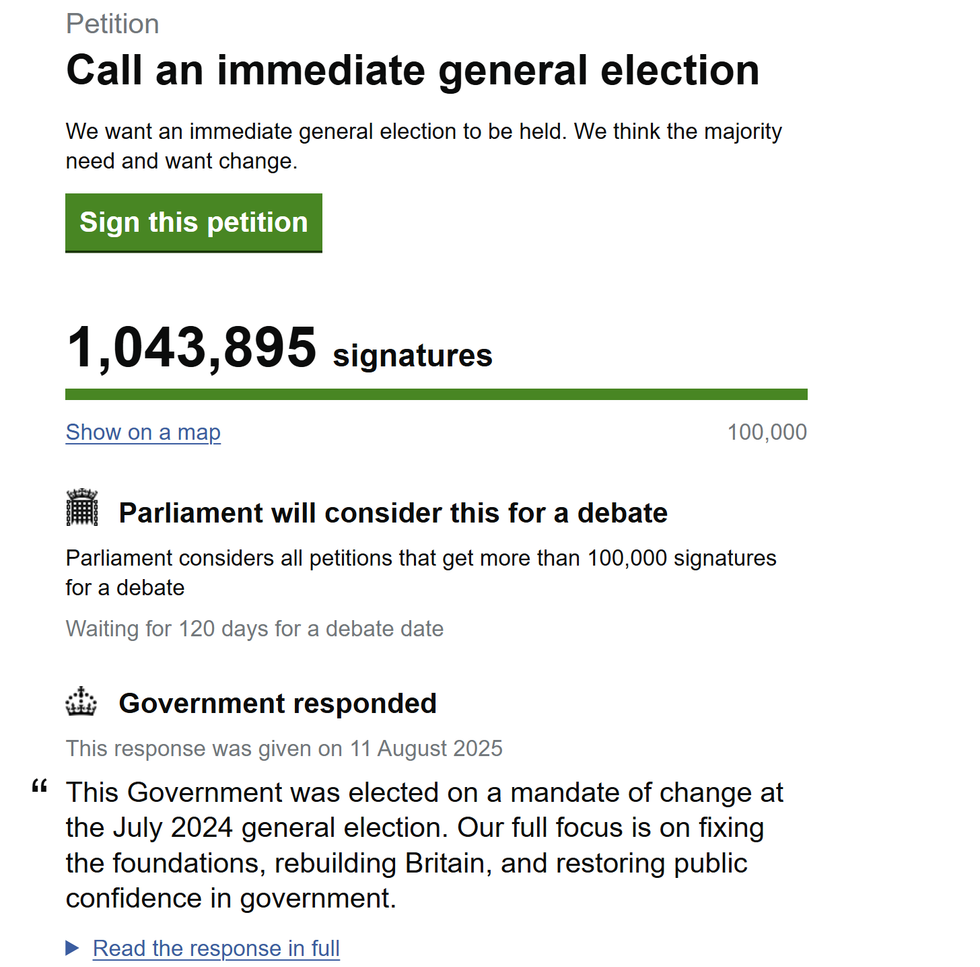
“The Government was elected by the British people on a mandate of change at the July 2024 general election. This Government is fixing the foundations and delivering change with investment and reform to deliver growth, with more jobs, more money in people’s pockets, to rebuild Britain and get the NHS back on its feet.
“This will be built on the strong foundations of a stable economy, national security and secure borders as we put politics back in the service of working people. On entering office, a £22billion black hole was identified in the nation’s finances.
“We inherited unprecedented challenges, with crumbling public services and crippled public finances, but will deliver a decade of national renewal through our five missions: economic growth, fixing the NHS, safer streets, making Britain a clean energy super-power and opportunity for all. This is what was promised and is what we are delivering.
“The Government’s first Budget freed up tens of billions of pounds to invest in Britain’s future while locking in stability, preventing devastating austerity in our public services and protecting working people’s payslips. Mission-led government rejects the sticking-plaster solutions of the past and unites public and private sectors, national, devolved and local government, business and unions, and the whole of civil society in a shared purpose. The Government will continue to deliver the manifesto of change that it was elected on.”
Our Standards:
The GB News Editorial Charter



Follow