




Restoring Parliament could cost taxpayers over £1,000 each and drag on for six decades if MPs refuse to vacate during the works.
MPs and peers have been presented with options for the renovation works, which will determine the cost of the project.
The “full decant” would see both houses move out the Palace of Westminster while the makeover is underway, costing up to £15.6billion, including inflation, and taking between 19 to 24 years to complete.
The second option however would allow parliamentarians to stay put, with the works carried out in stages for as long as 61 years and costing up to £39.2billion.
When distributed across the 34.5 million people who pay income tax in Britain, this maximum expenditure would equate to about £1,136 each.
Alternatively, the “full decant” would cost just over £450 per taxpayer.
The restoration and renewal client board, which is made up of members of the commissions of both Houses of Parliament, said: “A decision is needed now on starting restoration work.
“Most of the building dates from the Victorian era and some parts are much older.
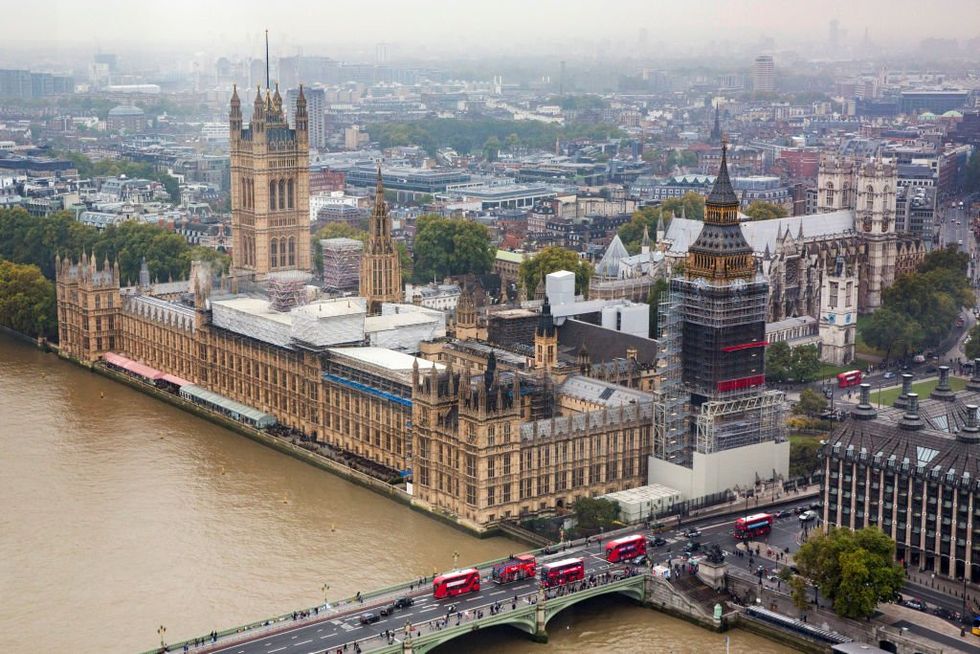
“Over the decades, its fabric and its services have deteriorated and require substantial repair or replacement.
“We are beyond the point where putting off these major works is sustainable.”
MPs and peers have also been asked to agree to initial restoration works at the Houses of Parliament lasting seven years, at a cost of up to £3billion.
That work could start this year if approved with a motion from both Houses.
The board will then ask them to choose between the final two options by mid-2030.
LATEST DEVELOPMENTS
- Nigel Farage wins crucial election victory after announcing Reform’s Wales leader
- ‘Disappointing!’ Sadiq Khan REFUSES to back bus driver sacked after stopping thief
- Kemi Badenoch says PM is ‘playing the victim’ over Lord Mandelson scandal
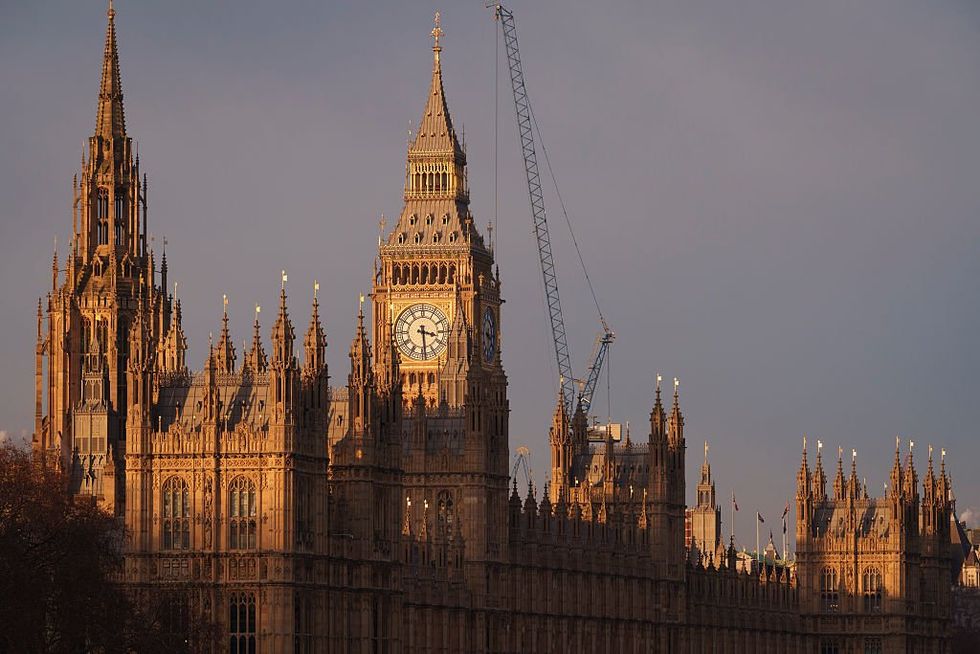
The phase one works will include refurbishing the inside of the Victoria Tower, building a jetty on the Thames for deliveries by river and starting underground construction on tunnel shafts.
A full decant would see Commons business start to move to the so-called Northern Estate – outside of the palace but close by – and the Lords to the nearby QEII conference centre from 2032.
The proposals say the cost of repairing and maintaining the Palace of Westminster is “unsustainable” at the current £1.5million weekly cost.
It is facing a failure of heating to a large part of the House of Lords, significant problems with the sewerage system and an ongoing loss of toilets in areas with reinforced autoclaved aerated concrete.
Since 2016 there have been 36 fire incidents, 12 asbestos incidents and 19 stonemasonry incidents.
The debate over how to revamp the Houses of Parliament has been ongoing for years due to the expected cost of the project and concerns about the condition of the historic buildings on the World Heritage Site.
MPs and peers had agreed a plan in 2018 for both the Commons and Lords to move to temporary facilities near the existing site to allow essential repairs and upgrades to be made.
But this was subsequently revisited amid concerns about the cost.
The Prospect trade union has called for a full decant.
General secretary Mike Clancy said: “Successive governments and parliaments have been kicking the can down the road on restoration and renewal of the estate for years.
“Meanwhile we have had regular incidences of falling masonry, asbestos and other serious issues which are only going to become more common and potentially result in a serious accident.
“Every report and expert assessment for more than a decade has found that a full decant is the safest and most value- for-money option. This is the option which Parliament should back.”
Our Standards:
The GB News Editorial Charter



Follow