



Chancellor Rachel Reeves is being urged to not forget pension savers, who risk being “left out in the cold”, in her fiscal reforms ahead of looming changes to the ISA regime.
Labour ministers are anticipated to overhaul the lifetime ISA from April 2028, stripping away its retirement savings component entirely. The revamped product will concentrate exclusively on assisting first-time property purchasers, ending its current dual function.
Since its introduction, the LISA has served two distinct purposes: enabling people to save towards their initial home purchase while simultaneously offering a route to build retirement funds.
Under the expected changes, this combined approach will cease, with the Government narrowing the product’s scope to property acquisition alone.

The shift has prompted concerns from pension providers about the impact on savers who have utilised LISAs primarily for their later-life finances.
PensionBee has cautioned that the reforms could transform the LISA into a “zombie product”, potentially abandoning certain savers without adequate support.
Maike Currie, the vice president for Personal Finance at PensionBee, said: “While the original design of the Lifetime ISA blurred the line between property and pension saving, something which should never have happened, the LISA has become an important retirement savings product for a growing cohort of savers.”
She noted that self-employed individuals lacking workplace pension access have embraced LISAs to accumulate long-term savings whilst benefiting from the Government bonus.
Currie added: “Removing the retirement element without providing a clear plan for those who have used the LISA in this way, risks the LISA becoming a ‘zombie product’ and leaving these savers out in the cold.”
The existing LISA framework permits savers to deposit a maximum of £4,000 annually, attracting a 25 per cent Government bonus that can reach £1,000 each year.
Penalty-free withdrawals are currently available for purchasing a first property valued at up to £450,000, or alternatively once the account holder reaches 60 years of age for retirement purposes.
Homeowners who opened accounts before turning 40 retain the ability to make contributions until the day preceding their 50th birthday.

Withdrawing funds for any other reason incurs a 25% charge, which recovers the Government bonus along with 6.25 per cent of the saver’s original contributions.
PensionBee is urging ministers to outline clear provisions for existing savers who have used LISAs for retirement purposes, suggesting a one-off basic-rate tax bonus could incentivise transfers into personal pensions.
Ms Currie said: “Many ‘invisible workers’ including freelancers, the self-employed, carers and those in the gig economy may have relied on the LISA as means to save for retirement, as they fall outside traditional employment structures and have been left behind by the current pension system.”
She warned that without proper transitional guidance, the Government risks “undermining long-term saving and weakening retirement outcomes for a generation already facing rising living costs and uncertain pension provision.”

On the Treasury’s plans for ISAs, AJ Bell’s head of markets Dan Coatsworth said “You would need to have been living under a rock not to at least have caught wind of the Government’s efforts to boost investing in the UK.
“Rachel Reeves has been banging the drum for economic growth since before Labour came to power in July last year, with an emphasis on savers moving from cash to investing a key pillar of that strategy. However, the government’s approach has often been muddled at best.
“While the Government’s aims are absolutely the right ones, as savers could stand to benefit from investing in the long term even with a modest return on their investments, it has opted to pursue them by introducing further complexity into the retail investing space.
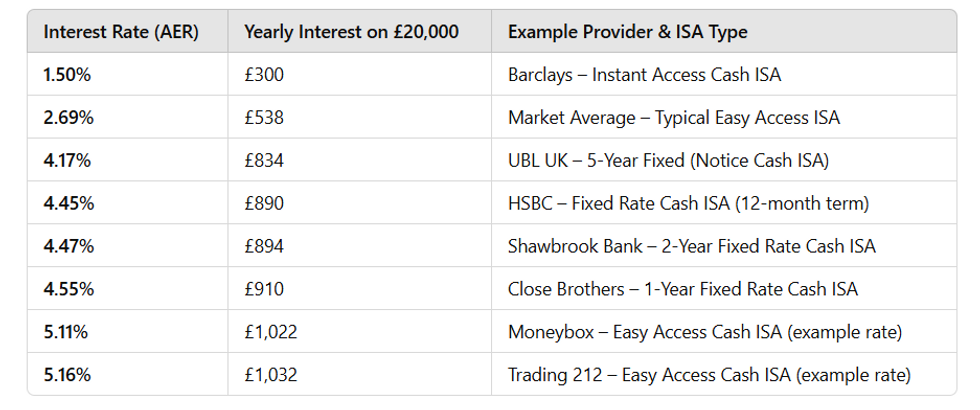
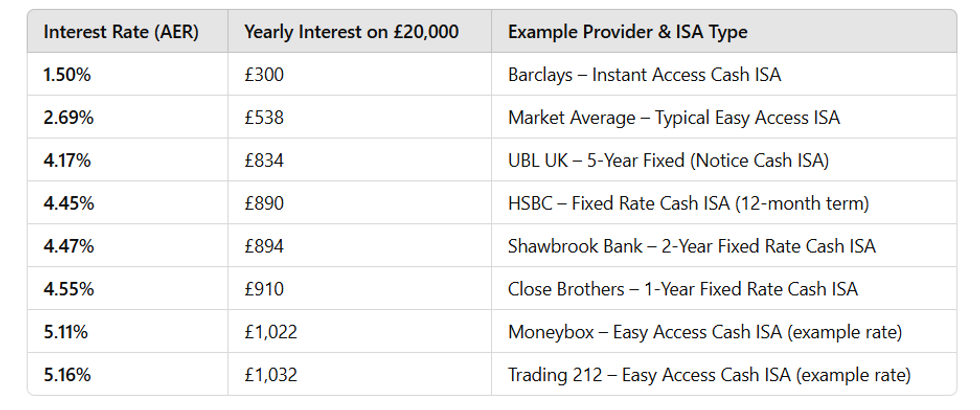
“The Chancellor’s flagship policy of reducing the cash ISA allowance to £12,000 for under-65s from April 2027 is unlikely to push more savers towards investing. Instead, it is far more likely to act as another barrier to the nation’s savers finally dipping their toes into investing.”
Our Standards: The GB News Editorial Charter



Follow