




Analysts are sounding the alarm that Chancellor Rachel Reeves’s reforms to the pension system “could see people on modest incomes lost out” once they are finally implemented.
Former pensions minister Sir Steve Webb has raised alarm over Government plans to curb salary sacrifice pension arrangements, warning the impact could extend far beyond the 3.3 million savers initially identified as affected.
The Liberal Democrat peer, now a partner at consultancy LCP, has drawn attention to fresh analysis from the Office for Budget Responsibility (OBR), which was published today.
According to Mr Webb, the fiscal watchdog’s document “indicated that many workers sacrificing less than £2,000 could also lose out”.

According to HM Revenue and Customs (HMRC) figures from December, approximately 7.7 million employees currently utilise salary sacrifice for their pension contributions.
Currently, these arrangements allow employees to redirect part of their salary into their pension pot before tax and national insurance are calculated, helping them maintain their take-home pay while boosting retirement savings.
Employers across Britain frequently offer such retirement savings schemes as a tax-efficient method of enhancing staff pension provision.
Once the new rules come into force, any contributions above the £2,000 threshold will be treated identically to standard employee pension payments, attracting both employer and employee national insurance charges.
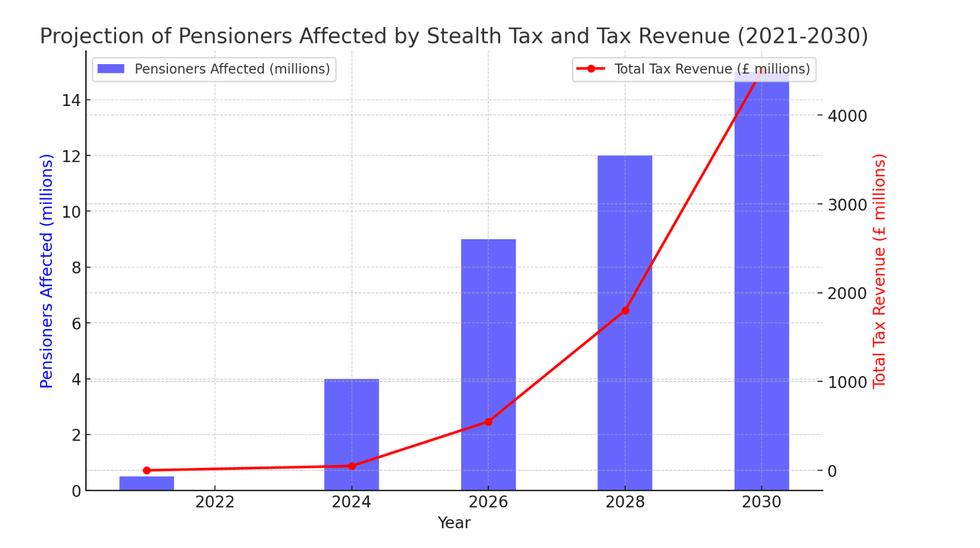
The OBR document acknowledged that predicting how businesses will react remains “highly uncertain, given the various channels through which employers and employees can respond”.
According to the analysis, companies might formalise salary sacrifice arrangements differently, potentially boosting pension contributions instead of offering wage increases or reducing contractual salaries in exchange for higher employer contributions.
Furthermore, the watchdog highlighted the concept of “pass through”, assuming employers would transfer a portion of their additional costs onto staff through adjustments to pension contributions, salaries or bonuses.
Perhaps most significantly, some businesses may choose to scrap salary sacrifice schemes altogether, affecting their entire workforce regardless of contribution levels.
LATEST DEVELOPMENTS
- State pension ‘injustice’ as 500,000 Britons to lose triple lock payment boost this year
- Pension hack could create ‘savings buffer’ for millions of Britons unable to work
- Pension warning: Over 70s urged to act or they face £717 a year hit in later retirement
Mr Webb stated: “Far from ordinary workers being ‘protected’ from the changes, we could see millions of people on modest incomes losing out as well, further undermining their incentive to save in a pension.”
He added: “We urgently need the Government to be clear about the true scale of the losses from this policy.”
The former minister described the Budget change as “a huge measure which will cause employers to rethink their pay and pensions policies”.
He emphasised that the independent OBR analysis demonstrates clearly that employer responses will affect the broader workforce, not merely those contributing above the £2,000 salary sacrifice threshold.

Steve Hitchiner, the chair of the Society of Pension Professionals Tax Group, shared “The decision to restrict salary sacrifice for pensions will result in higher costs to employees and employers, along with less saving in pensions when more saving is needed.
“The additional revenue raised by the Exchequer will both diminish and is uncertain.
“Nevertheless, employers and employees should continue to use salary sacrifice where possible and pension saving remains the most effective means of saving for later life.”
The Chancellor’s changes to the salary sacrifice pension regime will come into effect from April 2029.
Our Standards:
The GB News Editorial Charter



Follow