



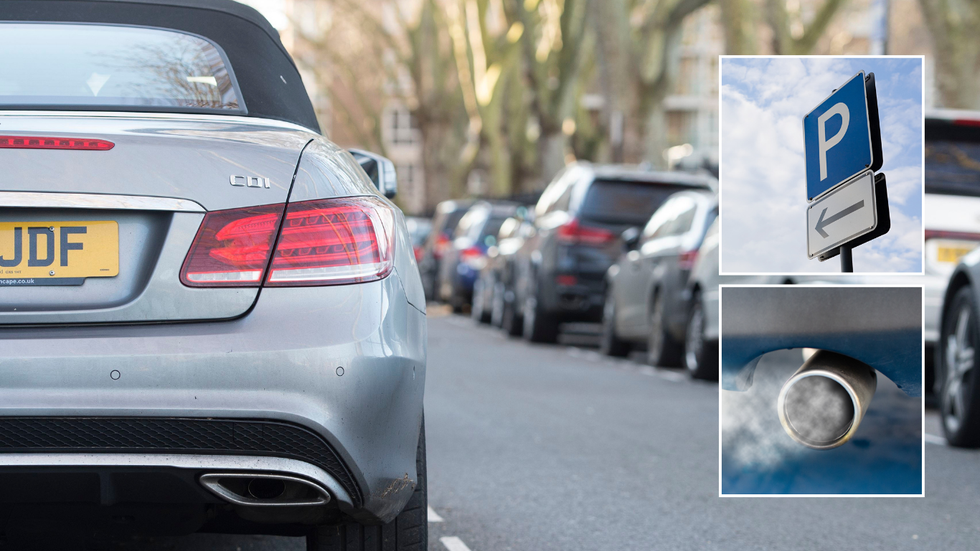
Drivers of petrol and diesel vehicles have been warned they will soon face higher on-street parking charges under a new emissions-based pricing scheme approved by the local council.
From next month, Reading Borough Council has revealed motorists with the most polluting vehicles will be charged extra to park on streets across the borough in a bid to improve air quality and cut carbon emissions.
The new system will target vehicles based on their carbon dioxide output, with higher charges for cars that emit more pollution.
The council explained that the aim is to encourage people to use public transport, walk, cycle, or switch to lower emission vehicles.
Under the approved pricing structure, petrol car drivers will face a 20 per cent surcharge on standard on-street parking rates, while diesel drivers will see increases of 25 per cent.
These charges will be applied gradually across different pricing bands depending on how much CO2 a vehicle produces.
Crucially, the scheme will only apply to vehicles emitting 151 grams of CO2 per kilometre or more. This means many petrol and diesel cars may not be affected at all.
The council estimated that around half of all vehicles fall into the lowest emissions band and will continue to pay standard rates with no increase whatsoever.
A further 25 per cent of cars are expected to sit in the first charging band, where any price rises would be relatively modest.
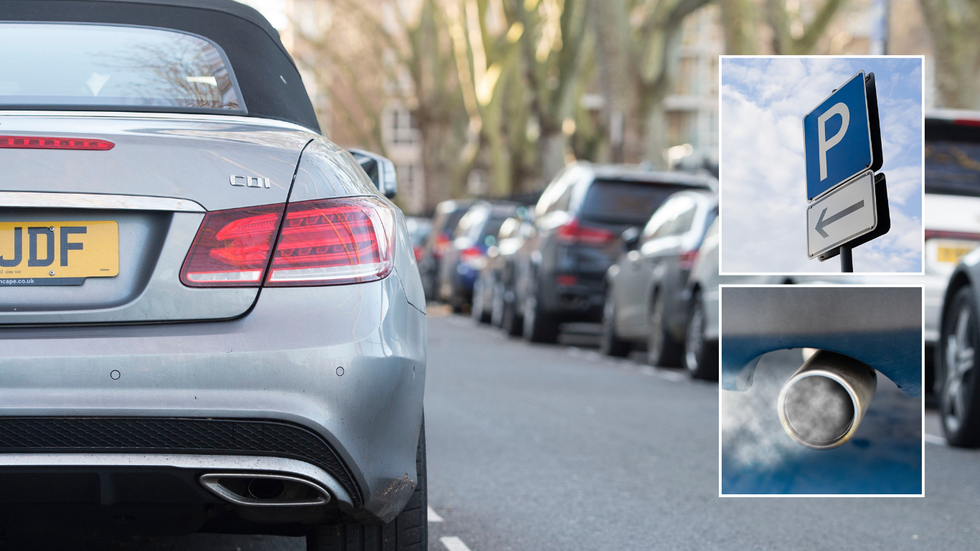
Vehicles will be divided into six emissions bands, ranging from 0–150g/km at the lowest end, up to 255g/km and above for the most polluting models.
For drivers parking in inner zone areas, the increases can be significant for those at the top end. A petrol car in the highest emission band would pay £6 for one hour, compared with the standard £3 rate. Diesel drivers with the most polluting vehicles would pay even more, with an hour‘s parking rising to £6.80.
In outer zones, the maximum daily charge for the dirtiest petrol cars will rise from £12 to £24, while diesel drivers could be charged as much as £27 per day.
At out-of-town locations, the increases are smaller but still noticeable. Seven hours of parking for a high emission petrol vehicle will cost £8 instead of £4, while diesel drivers in the same category would pay £9. All tariffs will be rounded to the nearest 10 pence.
LATEST DEVELOPMENTS
- Drivers could be locked out of cars under radical new driving laws targeting millions
- Classic car owners vow response to Labour’s driving law plans if motorists risk ‘unjustifiable harm’
- M5 chaos: Drivers face severe delays on major motorway following police-led road incident
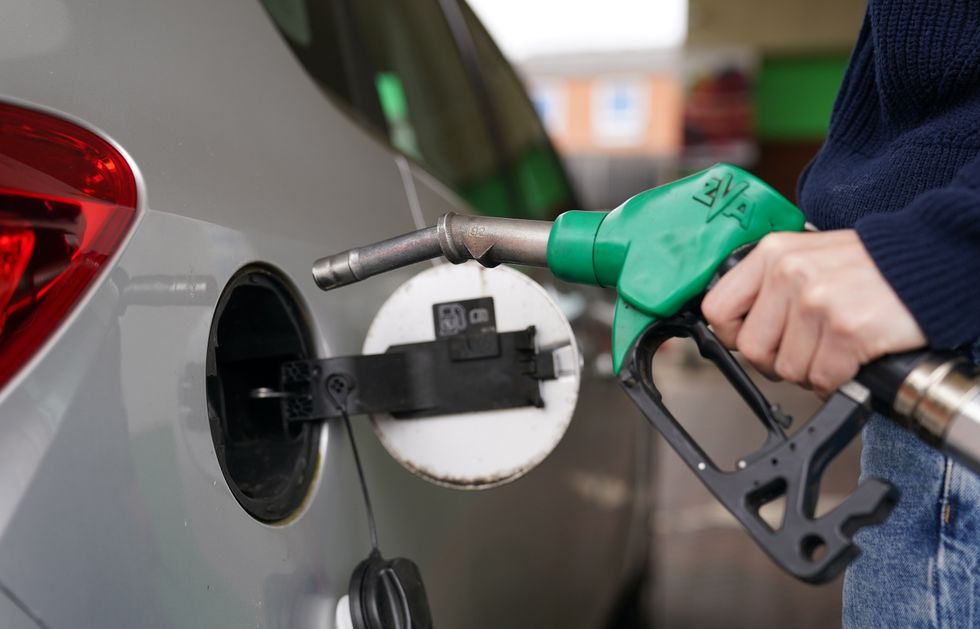
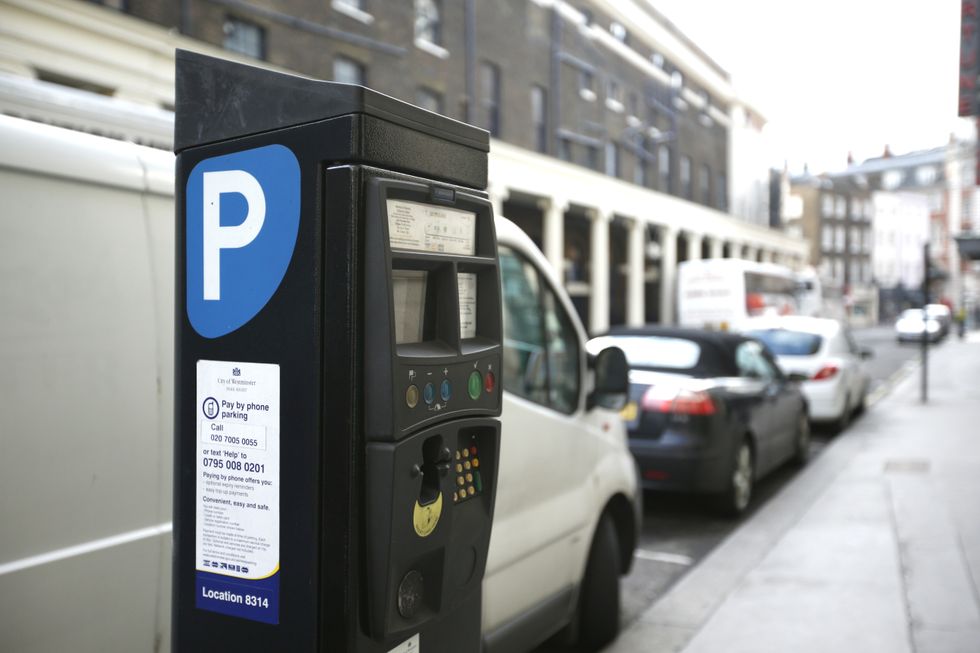
The new charges will apply to pay-and-display on-street parking and residential parking permits. However, off-street car parks, including multi-storey and private facilities, will not be affected.
The plans were approved after two public consultations held between August and October last year, with councillors reviewing public feedback at a Policy Committee meeting in November.
Councillor John Ennis, Lead Councillor for Climate Strategy and Transport, said the council believes the measures are necessary to protect public health.
“Improving air quality in Reading is a high priority for the Council as pollution affects the health of residents, particularly children, older people and individuals with heart and lung conditions,” he said.
He added: “We know that transport accounts for around 30% of all carbon emissions nationally and the Council is investing heavily in further improving public transport and encouraging cycling and walking in Reading, as well as introducing more electric vehicle charging points.”
Councillor Ennis stressed that the scheme is not designed to penalise all drivers. “Emission-based parking charges are another measure which can be used to help reduce air pollution, although it is worth emphasising that many petrol cars, as well as electric vehicles, would avoid any extra costs. Only the more polluting vehicles would pay the higher charges,” he said.
Reading will join other councils such as Lambeth, Lewisham, Westminster and Bath and North East Somerset, which have already introduced similar parking schemes.
Our Standards:
The GB News Editorial Charter



Follow