



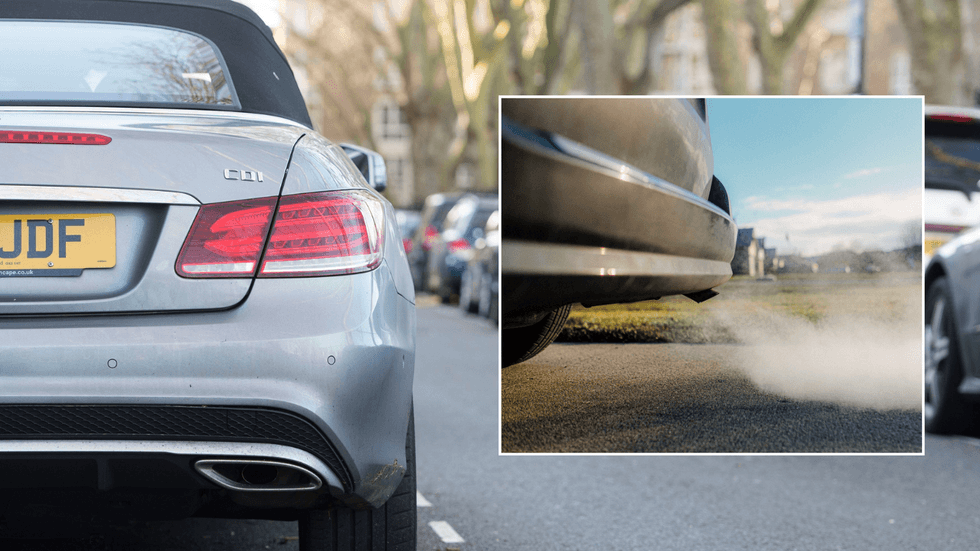
Petrol and diesel drivers have been warned of new emissions-based parking charges coming into force across a large region.
From today, motorists using on-street pay and display bays or applying for residents’ parking permits across Reading will be charged based on how polluting their vehicle is, with petrol and diesel drivers paying significantly more.
The scheme, introduced by Labour-run Reading Borough Council, applies to central Reading, surrounding neighbourhoods and out-of-town locations.
The council stated the new system is designed to push drivers away from older, more polluting vehicles, with transport contributing approximately 30 per cent of carbon emissions across the country.
It added that the changes are part of wider efforts to “cut air pollution and protect residents’ health by promoting greener travel options”.
Under the new rules, parking charges are linked directly to a vehicle’s carbon dioxide emissions, using the same bands already used by the DVLA for road tax.
Only petrol and diesel vehicles emitting more than 151 grams of CO2 per kilometre will see their costs rise.
The council estimated that around half of vehicles fall below the threshold and will not see any change, although a quarter of drivers are expected to be pushed into the first higher band, meaning they will pay more.
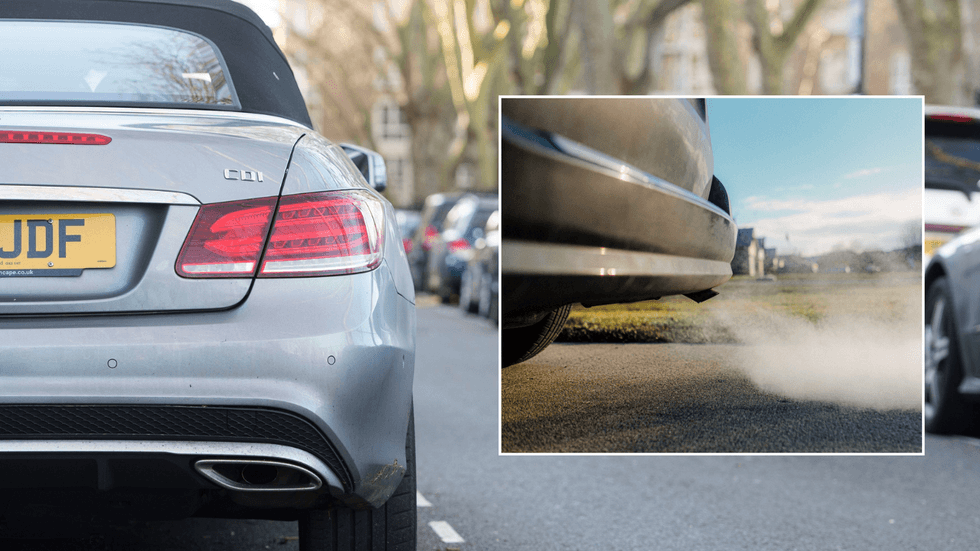
Diesel drivers will be hit the hardest with parking charges rising up to 25 per cent, compared to 20 per cent for petrol cars. However, electric and low emission vehicles will continue to benefit from the lowest parking rates.
Hybrid vehicles will also be assessed using the emissions figure on their registration certificate, or by engine size if no emissions data is available.
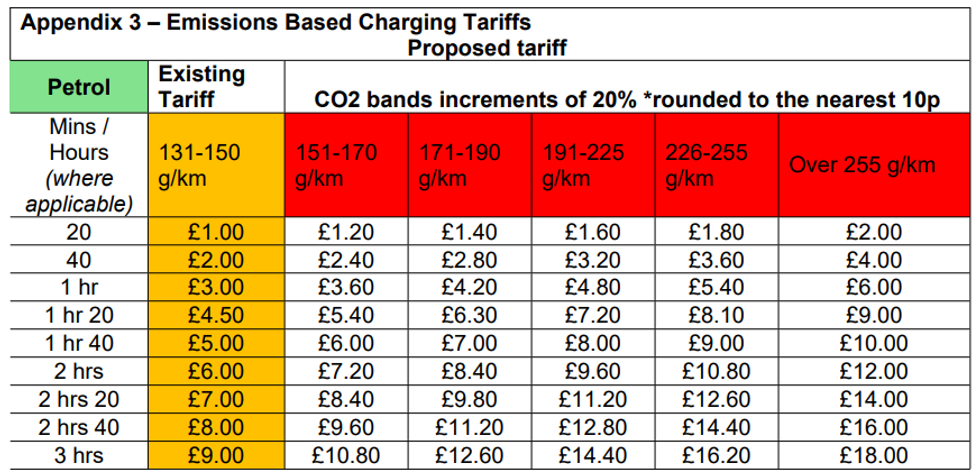
In central Reading, petrol drivers whose cars produce between 151 and 170 grams of CO2 per kilometre will pay £1.20 for just 20 minutes, with one hour costing £6.
The most polluting vehicles emitting more than 255g/km will see costs jump to £2 for 20 minutes, £6 per hour and up to £18 for three hours.
LATEST DEVELOPMENTS
- Elon Musk ‘facing tougher questions’ amid decision to axe popular electric cars in favour of robots
- Major car brand warns drivers not to charge EV batteries beyond 70% amid serious fire fears
- Labour eyes new Highway Code rules as ministers admit ‘more work needed’ on vital laws
Two hours of parking in the central zone costs £7.20 for cars in the lowest charged band, but £12 for the highest emitters.
The most polluting vehicles will be charged £2 for 30 minutes and £3 per hour, with maximum fees reaching £24 in outer areas.
Council-run car parks, off-street parking and visitor permits for residents are excluded from the scheme.
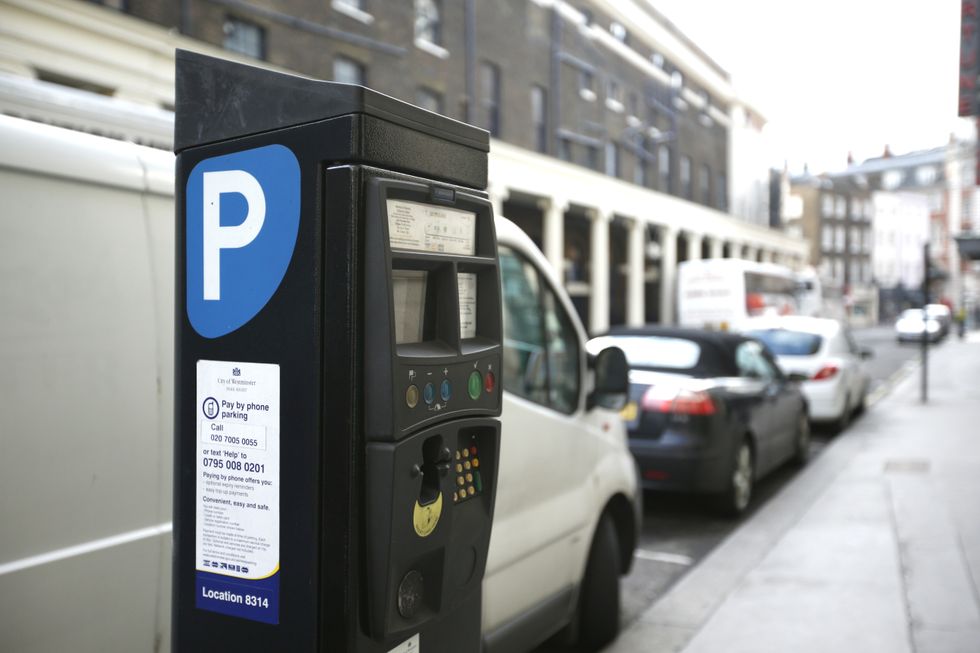
Drivers will be required to enter their vehicle registration number at pay-and-display machines or on the pay-by-phone system.
The council confirmed that “drivers whose vehicles lack a recorded CO2 figure in the DVLA database will be charged at the highest rate”.
Councillor John Ennis said: “Good air quality is a high priority for the council, and although we are seeing an improved situation in Reading, there are still areas where pollution levels are too high. That impacts the health and well-being of residents, particularly children, older people and those with heart and lung conditions.
“We know that transport accounts for around 30 per cent of carbon emissions nationally and the introduction of emission-based parking charges is one way the Council is working to reduce its impact.”
According to the council, 61 deaths among Reading adults over 30 in 2023 were connected to particulate air pollution.
Our Standards:
The GB News Editorial Charter



Follow