




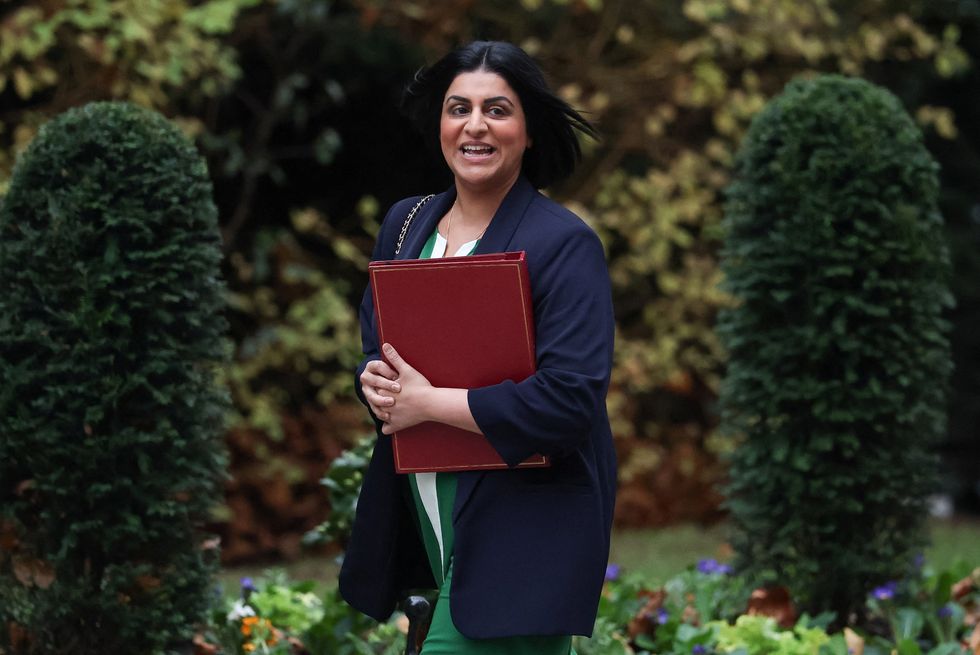
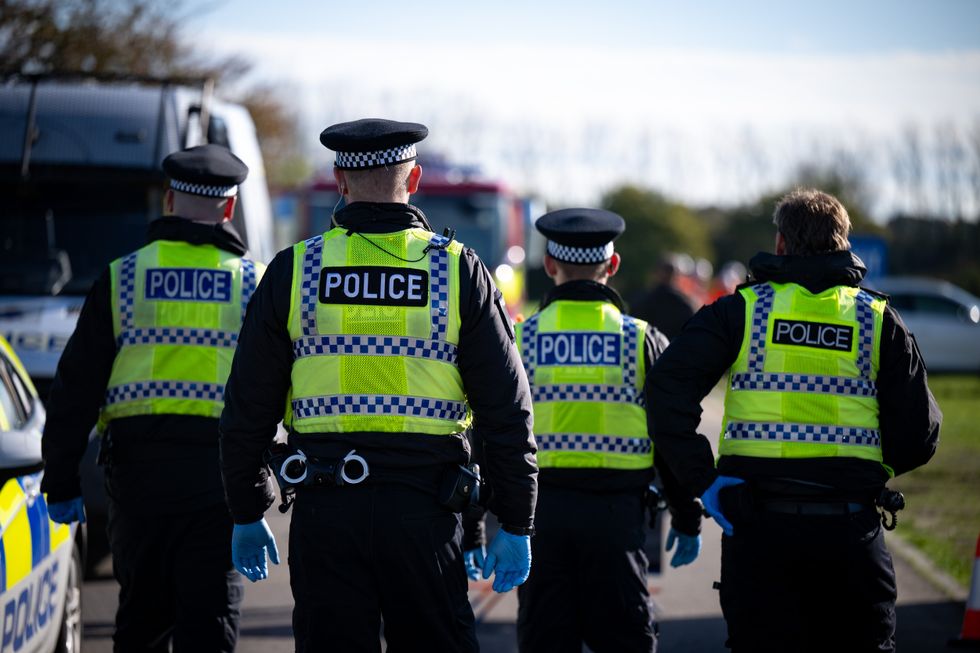
Police forces across England and Wales could be merged into 12 regional “mega-forces” as part of major shake-up being considered by Home Secretary Shabana Mahmood.
The publication of a highly anticipated roadmap of policing reforms has been pushed back until the new year as Ms Mahmood intends to make more radical changes, sources have told The Times.
The “mega-forces” proposal is said to be the most radical of the changes being considered by the Home Secretary and is believed to be part of a wider effort to make policing more efficient.
Ms Mahmood has already held multiple meetings with police chiefs, where the idea of streamlining the 43 territorial police forces in England and Wales was discussed.
The major overhaul could reflect changes seen in other areas of Britain’s criminal justice system, such as the introduction of 12 probation regions and the scrapping of Police and Crime Commissioners from 2028.
The move would see smaller forces, such as Norfolk and Suffolk and the four Yorkshire forces, merged together.
One source told The Times that the delay in publishing the policing white paper will allow the Government to weigh up “generational reform that will have a real impact on efficiencies”.
A source close to the proposals told the newspaper that the Home Secretary is “minded to be pretty bold”.
They added: “She is pushing in the direction of reducing the number of forces. The mood music is certainly in that direction.”
Another insider said: “The white paper has been delayed because there’s been a sense of a change in direction.”
Last month, Ms Mahmood hinted at an overhaul to policing at a conference, where she said the structure of police forces in England and Wales was “irrational” and leading to inconsistencies.
The Home Secretary said: “We have 43 forces tackling criminal gangs who cross borders, and the disparities in performance in forces across the country have grown far too wide, giving truth to the old saw that policing in this country is a postcode lottery.”
POLICE – READ THE LATEST:
- Two-tier policing DOES exist and Sadiq Khan should lose control of the Met, damning report says
- ‘Porch piracy’: Police issue warning ahead of Christmas as parcel theft hits record £666million
- Met Police issues update on Heathrow ‘pepper spray’ attack as three-year-old treated for injuries
The plans could be welcomed by many senior policing figures across the country, who have often voiced the need for structural reform.
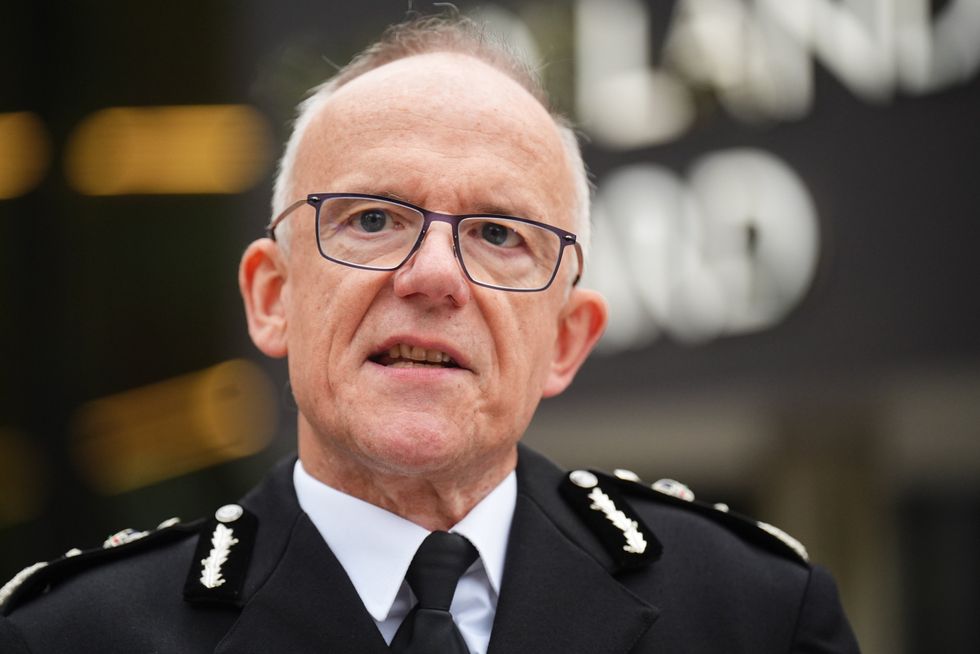
Earlier this year, Metropolitan Police commissioner Sir Mark Rowley said the 43 existing forces had not “been fit for purpose for at least two decades” and threw his support behind the “mega-forces” model.
He noted that “bigger and fully capable” forces would be better equipped to use modern technology and the “limited funding” given to policing.
National Police Chiefs’ Council chairman Gavin Stephens also backed reducing the number of police forces earlier this year, telling The Guardian it would allow police chiefs to make decisions “far quicker and maximise funding to invest in technology and our workforce”.
He said: “Making improvements to our service once and for all, instead of in 43 different ways, would help to end the postcode lottery victims face when reporting crime.”
Mr Stephens said last month that there had been no intentional design for policing since the 1960s, which saw the 43-force model emerge from the 117 that were previously in place across the country.
However, Police Foundation think tank director Blair Gibbs warned: “My big concern is that it is already quite late in the parliament to be launching a huge new set of policies which will invariably take most of the next three years to actually get delivered – so voters now might not see much of any improvement before the next election, despite crime and policing rising up their list of priority concerns.
“There is an urgent need for police reform because our current model is no longer meeting public needs, but arguing the case and actually legislating to deliver it are quite different.”
Our Standards:
The GB News Editorial Charter



Follow