




Britain’s poorest households have seen their finances deteriorate further since Sir Keir Starmer entered Downing Street, according to new analysis highlighting a growing divide in household incomes under the Labour Government.
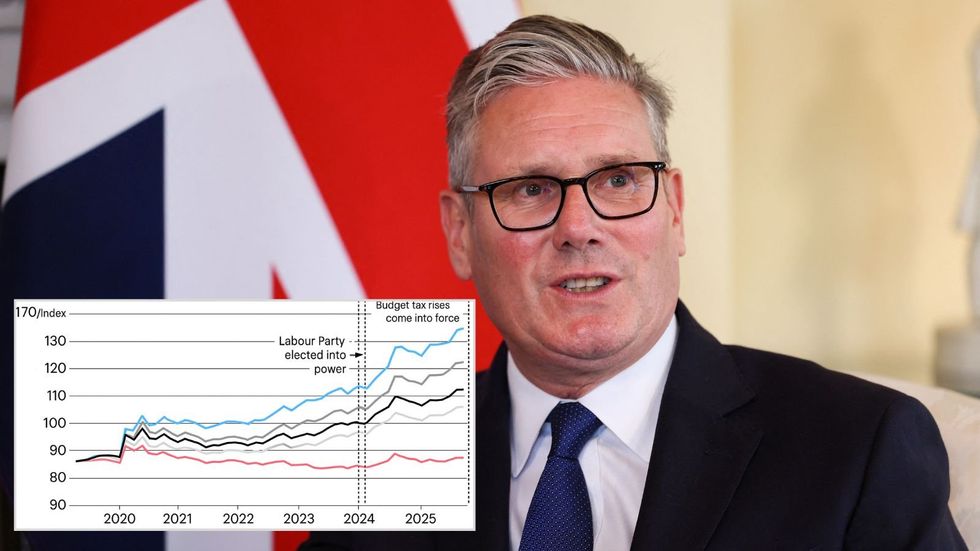
Figures from Retail Economics show discretionary income, defined as money left after essential bills are paid, fell by 2.1 per cent for the least affluent households between Labour’s election victory in July 2024 and October 2025.
The Prime Minister has repeatedly acknowledged the cost of living pressures on households, and said that tackling it is his “number one priority”.
Over this period, the wealthiest households experienced a very different outcome, with discretionary income rising by 10.3 per cent.
The figures underline the uneven impact of recent economic pressures across the income scale.
For the bottom 40 per cent of households, incomes remain below their 2019 levels despite several above-inflation increases to the minimum wage in recent years.
Retail Economics said the figures accounted for changes to taxes and household bills that are not fully captured in official Office for National Statistics (ONS) data.
Nicholas Found, head of retail and consumer insight at Retail Economics, said the pressure on lower-income households remained acute.
“The cost of living crisis is far from over for many households, with the least affluent feeling it the most.”
He said lower-income families were still dealing with the long-term effects of rising prices.
“The reality is that lower-income families are still grappling with the legacy of surging prices, with finances playing catch up as the cost of everyday products is significantly higher than it was four years ago.”
The analysis comes as forecasts suggest limited relief for households in the near term.
The Office for Budget Responsibility (OBR) expects real disposable income to grow by just 0.6 per cent this year.
Wage growth is also forecast to slow, according to Bank of England data.
Pay settlements are expected to fall from 3.9 per cent in 2025 to 3.5 per cent in 2026.
Mr Found said weaker wage growth combined with low savings was adding to the strain on lower earners.
He said: “Diminishing wage growth combined with meagre savings is leaving consumers in these groups feeling financially stretched and needing to prioritise essentials.”
Tax policy is also expected to add pressure to household finances.
The Chancellor’s decision to extend the freeze on income tax thresholds until 2030-31 is forecast to raise £8.3billion for the Treasury.
LATEST DEVELOPMENTS
- Energy bills rise for millions of households FROM TODAY as Ofgem hikes price cap
- ‘We haven’t paid a penny on energy in 2 years’ – meet families living in Britain’s ‘zero bill’ homes
- Homeless people given £2,000 each in no restrictions cash trial – here’s how they spent it
The Resolution Foundation estimates the threshold freeze will leave the typical worker £1,400 worse off by the end of the decade.
The Treasury said the Government was taking action to improve living standards.
A Treasury spokesman said: “Wages are up more in the first year of this Government than in the first decade under the previous one, where disposable incomes fell for the first time since records began.”
The spokesman said households were already £800 better off since Labour took office.
Ministers have highlighted several measures aimed at easing household costs.

These include an average £150 cut to energy bills, frozen rail fares and frozen prescription charges.
The Government has also said its policies will lift more than 500,000 children out of poverty.
In the autumn Budget, Ms Reeves announced measures designed to reduce inflation by 0.5 percentage points by April, including scrapping a levy on energy bills.
Our Standards:
The GB News Editorial Charter



Follow