



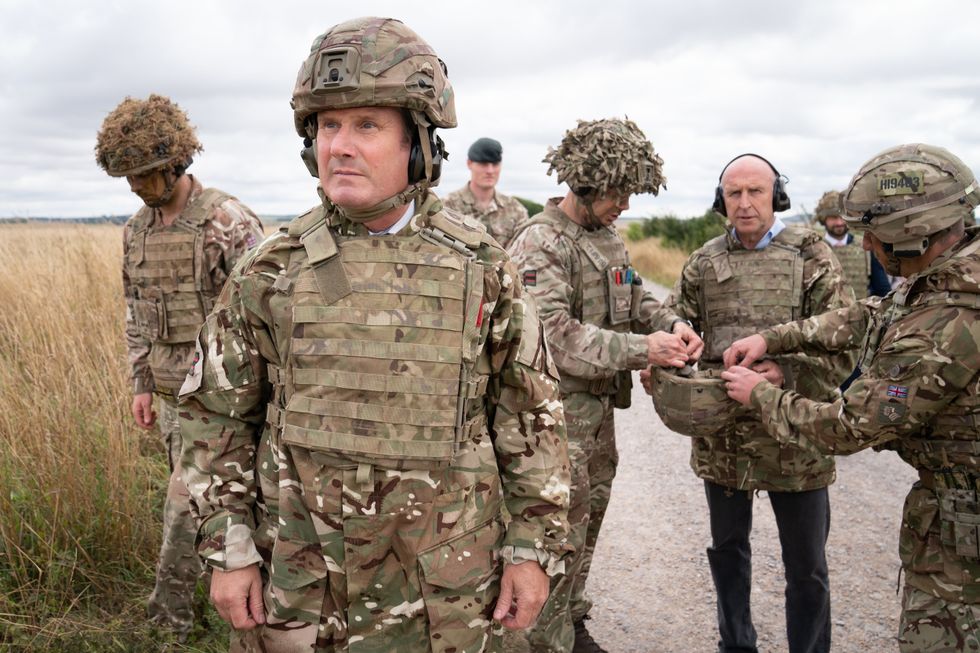
Anxiety among the British public regarding defence has surged dramatically over the past four weeks, according to new polling.
Research conducted by Ipsos shows that nearly a quarter of Britons (24 per cent) now identify defence and foreign policy as a pressing national issue, representing a two-fold increase since December.
This sharp uptick has elevated defence to the joint third most significant worry for the country, placing it on equal footing with concerns about the NHS and the cost of living.
Only immigration, cited by 41 per cent of respondents and the economy at 34 per cent currently rank higher in the public consciousness.
The polling was undertaken in the immediate aftermath of American military strikes on Venezuela and amid President Trump’s controversial push to take control of Greenland, moves that have threatened to destabilise the Nato alliance.
These international developments coincide with parliamentary warnings that the country remains inadequately prepared to repel an attack, given escalating threats posed by both Russia and China.
Adding to these concerns, The Times reported earlier this month that the nation’s top military commander had informed Sir Keir Starmer of a looming £28billion funding gap at the Ministry of Defence over the coming four years.
This is despite Labour’s commitments to increase military expenditure.
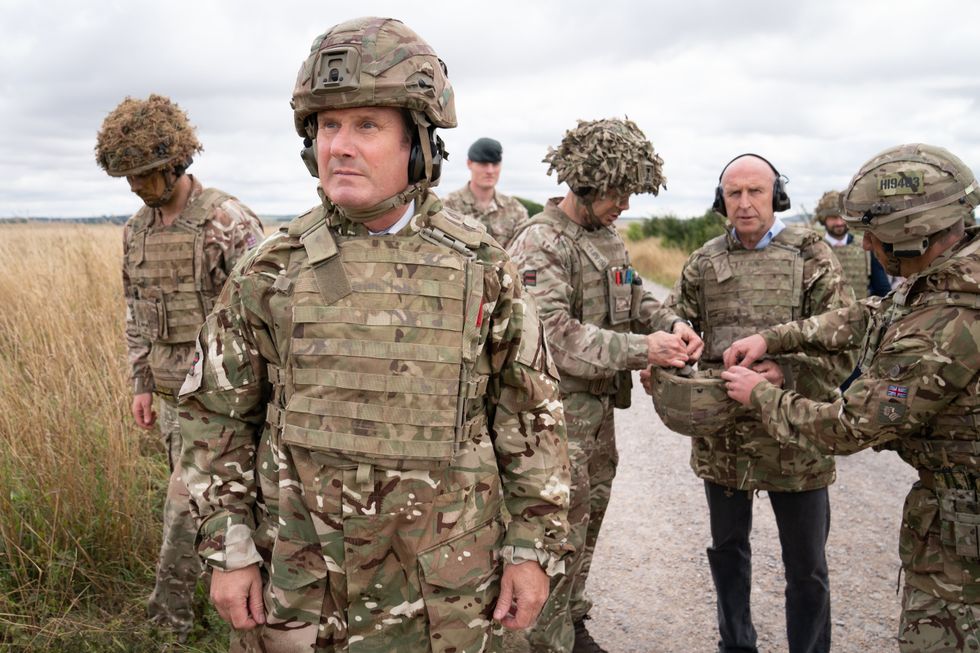
The British Army has meanwhile been conducting drills simulating potential attacks on UK soil, with soldiers practising emergency medical procedures.
Responding to the findings on Monday, Defence Secretary John Healey told The Times that “demands on defence are rising” as a result of “growing Russian aggression”.
He pointed to the UK’s pledge to deploy thousands of troops to Ukraine in the event that a peace deal is struck with the Kremlin.
Mr Healey added Britain was meeting the new threats “with hard power, strong alliances and sure diplomacy”, to “keep Britain secure at home and strong abroad.”
LATEST DEVELOPMENTS
- Just 1% of Britons think Labour is handling the economy ‘very well’ in damning new poll
- The hidden tax blighting Britain’s military of BILLIONS amid brutal cuts to UK armed forces: ‘It’s a complete con!’
- Donald Trump has legal power to BLOCK Chagos surrender deal, Labour admits

Earlier this month, Healey pledged to take “assertive action” aimed at disrupting Russia’s shadow fleet of oil tankers, seeking to cut off funding for the Kremlin’s military campaign in Ukraine.
British forces have assisted both American and French special operations units in seizing two sanctioned ships during dramatic maritime operations this month.
The polling data reveals divisions along political lines, with supporters of the Liberal Democrats showing the highest levels of concern at 41 per cent, closely followed by Labour voters at 40 per cent and Green party backers at 39 per cent.
By contrast, those who support Reform UK are notably less worried about defence than the general public, with just 12 per cent citing it as a concern.
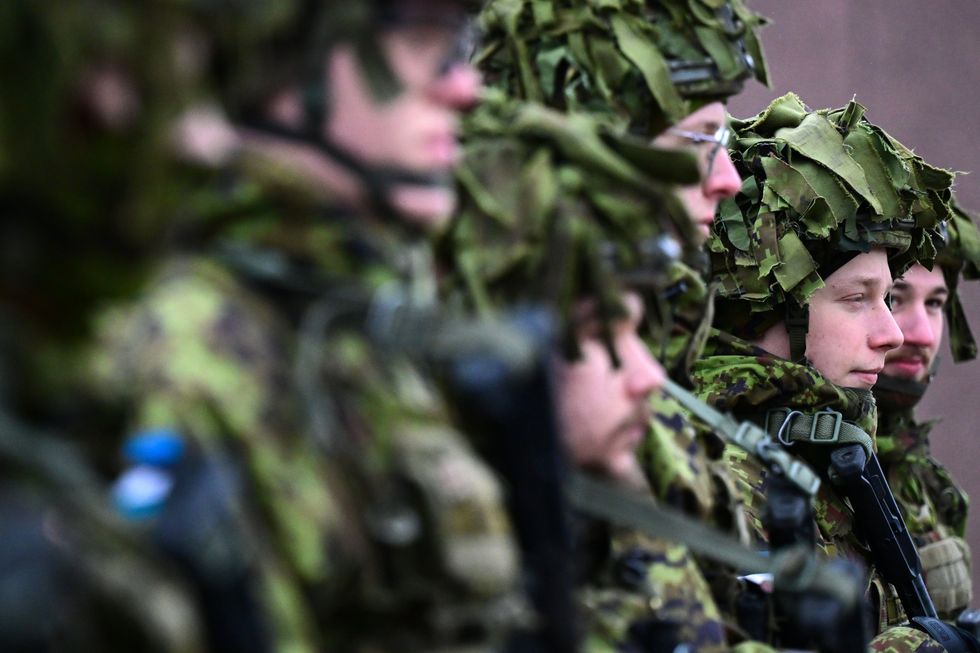
The polling showed only six per cent of 18 to 24-year-olds view defence as important, compared with substantially higher figures among older generations.
However, this month, the polling suggests immigration remains the biggest issue facing the country.
Forty-one per cent of the public see it as a concern, though that has fallen five points since December.
Mike Clemence, research director at Ipsos, noted that the findings demonstrate “the significant impact of global political tensions on public consciousness”.
He said: “President Donald Trump’s recent actions in Venezuela and his threats against Greenland, Europe and the UK has clearly amplified anxieties about foreign affairs.
“This concern is particularly pronounced among supporters of the Liberal Democrats, Labour and Green parties.
“However, despite these shifts, it’s important to note that immigration remains the foremost issue, illustrating a complex landscape where domestic challenges and international events coexist in the public’s mind.
Our Standards:
The GB News Editorial Charter



Follow