



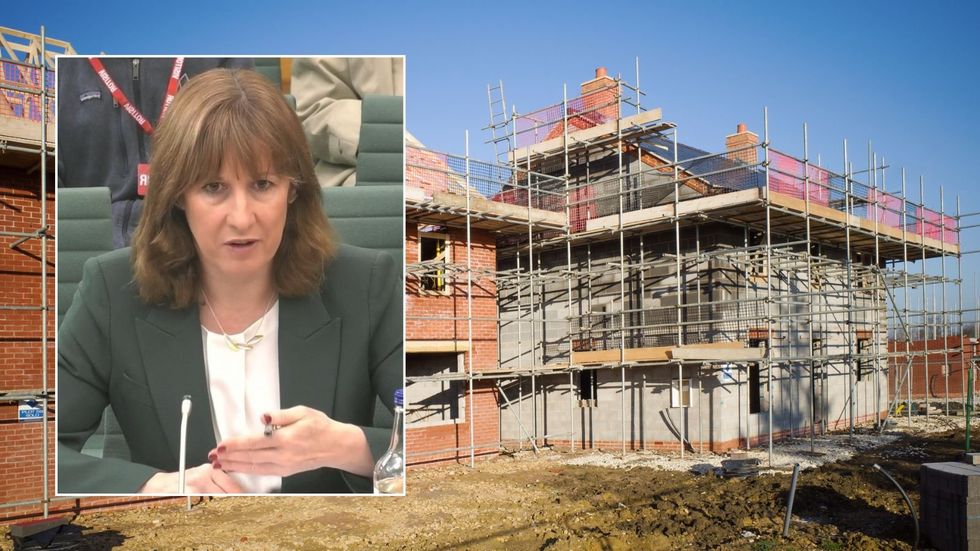
Chancellor Rachel Reeves is bracing for three major housebuilding firms to publish their latest financial results this week as the Labour Government attempts to address the property crisis.
Labour ministers have pledged to deregulate and embolden property firms in an effort to revitalise the housing market, with younger generations having been priced out of owning their own home for nearly two decades.
Mr Reeves will soon find out how the Government has been performing in these efforts as three of Britain’s largest housebuilders prepare to release trading updates in the coming days, providing crucial insight into the state of the UK property market.
Persimmon will deliver its full-year trading statement on January 13, followed by Vistry’s fourth quarter figures the following day, and Taylor Wimpey’s update on Thursday (January 15).
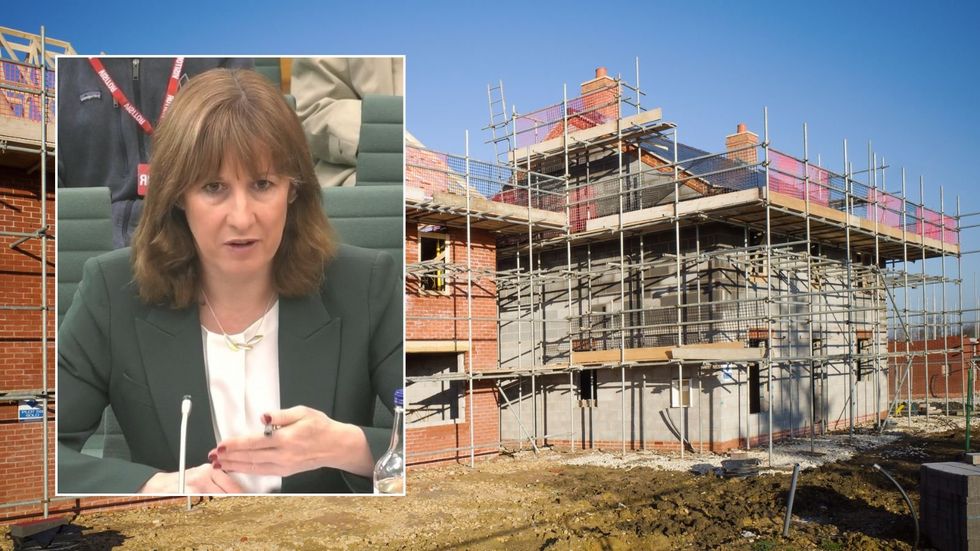
Investors are equally keen to identify any indications of market recovery and assess how the Chancellor’s latest Budget statement has affected the sector as the country moves into 2026.
Over the past 12 months, the construction industry has experienced an extended period of declining activity, with housebuilding enduring its most severe downturn since the pandemic began.
The S&P Global UK construction purchasing managers’ index edged up marginally to 40.1 in December from 39.4 the previous month, though this remains significantly below the 50-point threshold that indicates growth.
Those surveyed pointed to fragile confidence, subdued demand, and clients postponing decisions in the lead-up to the autumn Budget as key factors behind the weakness.

Richard Hunter, the head of markets at interactive investor, said Persimmon “has been hamstrung by the wider factors over which it has little influence, including but not limited to a faltering domestic economy”.
Despite these headwinds, economic analysts note that Persimmon may have some protection against current market difficulties compared to the other UK homebuilders.
Aarin Chiekrie, an equity analyst at Hargreaves Lansdown, noted that the company’s properties are typically priced around 15 per cent below the national average for new builds, which “offers some resilience to ride current market challenges” and should ease pressure from construction costs.
Vistry, the company previously known as Bovis Homes, has found success through Government backing for affordable housing. According to Hargreaves Lansdown, the firm saw its average weekly sales rates climb by 11 per cent between July and early November compared with the same period last year.

LATEST DEVELOPMENTS
- How an 85-year-old farmer became Scotland’s top choice for dairy – and an unlikely TikTok star
- Morrisons announces major closure as dozens of jobs at risk in supermarket overhaul
- AI: What will working in 2026 look like?
Despite these concerns, recent property purchase figures from HM Revenue and Customs (HMRC) offer some grounds for optimism for the Chancellor and the wider Labour Government.
Data released earlier this week showed approximately 100,350 homes were sold in November, representing an eight per cent increase compared with the same month last year.
Jason Tebb, president of OnTheMarket, said: “With the Buget done and dusted, uncertainty at least has been removed and those who put their moves on pause are returning to the market.
“[This] is encouraged by lower mortgage rates from some of the big lenders, with others expected to follow. As January progresses, well-priced homes continue to attract interest.”

Nathan Emerson, the CEO at Propertymark, added: “An increase in seasonally adjusted property sales towards the end of the year is an encouraging sign for the housing market and suggests that buyer confidence has begun to return.
“With inflation and interest rates easing in the run-up to Christmas, many buyers who had been sitting on the sidelines appear to have felt more comfortable proceeding with their purchase.
“This is particularly positive for first-time buyers and home movers who have been waiting for greater stability in borrowing costs. While 2025 presented several challenges, including stamp duty changes in England and Northern Ireland, mortgage rate fluctuations, and uncertainty ahead of the Autumn Budget, today’s data indicates that the market has started to adapt.
“As we move into 2026, improving affordability and clearer economic conditions should help sustain momentum, provided house prices remain steady, and lending conditions continue to ease.”
Our Standards:
The GB News Editorial Charter



Follow