



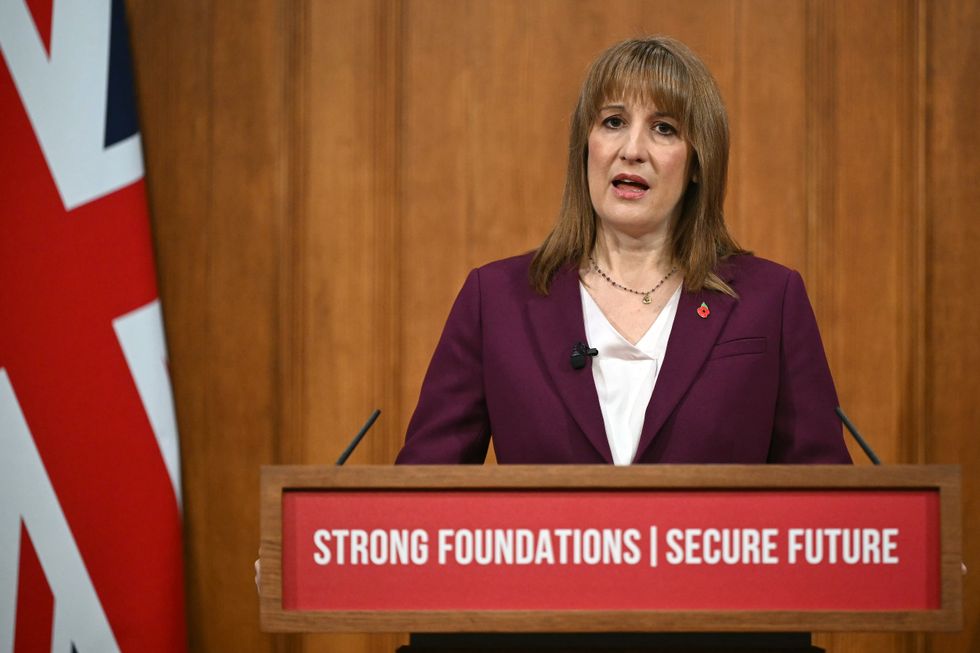
Rachel Reeves has been warned that more than 2,000 pubs, restaurants and hotels could be forced to close next year unless urgent action is taken on rising business rates.
Industry leaders say the scale of the increases facing hospitality firms risks triggering widespread closures across the sector.
The hospitality sector is heading for a difficult year, with industry group UK Hospitality warning that more than 2,000 pubs, restaurants and hotels could close in 2026 as business rates rise.
The trade body estimates that 2,076 venues could be forced to shut after higher property taxes come into effect on 1 April.
Its analysis suggests 574 hotels, 540 pubs and 293 restaurants are at risk of closure. That would be equivalent to around six hospitality businesses shutting every day over the course of the year.
UK Hospitality is calling on the Government to extend planned business rates relief beyond pubs to cover the whole hospitality sector.
Its chairwoman, Kate Nicholls, said support expected for pubs must also apply to hotels and restaurants, which are facing steep increases.
The trade body estimates the average hotel will see its business rates rise by £28,900 in 2026, with total increases of £205,200 over the next three years, a jump of 115 per cent.
Pubs, by comparison, are expected to face a smaller 15 per cent rise this year, equal to £1,400, with rates rising by 76 per cent, or £12,900, over three years.
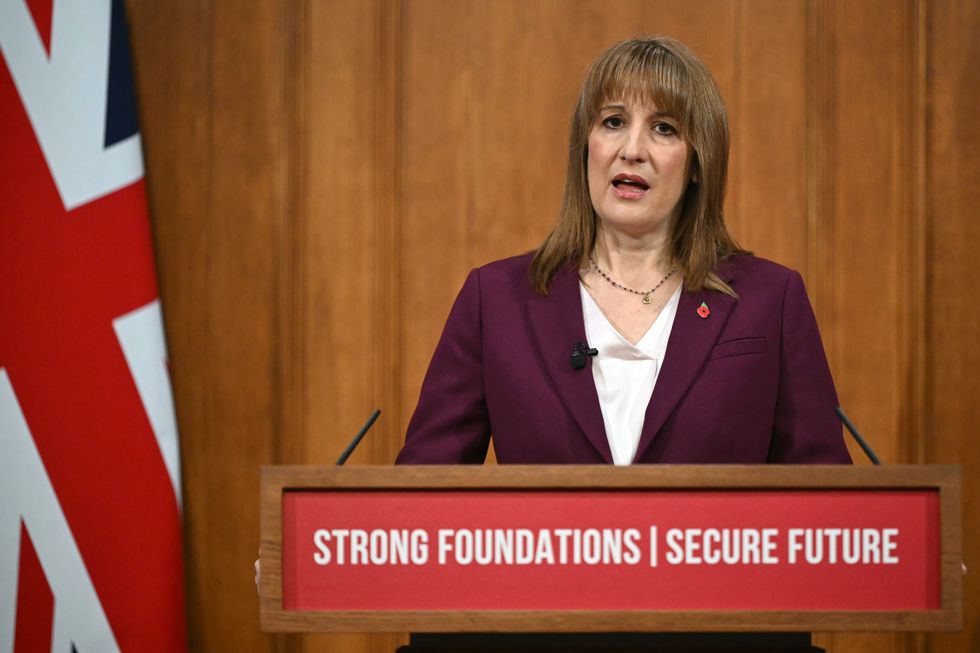
“Staggering increases to business rates will affect the entire hospitality sector and without a hospitality-wide solution, we will see significant business closures,” Ms Nicholls said.
“Thousands of venues, particularly neighbourhood restaurants and local hotels, will be forced to close for good as a result of the significant rates rises they’re facing.”
The trade body is pressing ministers to raise the business rates discount for all hospitality properties from the current 5p to 20p, the maximum permitted under existing legislation.
Ms Nicholls emphasised that the sector already carries the heaviest tax burden in the economy and has been disproportionately affected by rising National Insurance contributions, wage increases and escalating energy costs.
“This is yet another blow to a hospitality sector that bears the highest tax burden in the economy, and has already been disproportionately burdened by increases to National Insurance Contributions, wages, energy and other inputs,” she said.
“Hospitality is one of the nation’s biggest employers and has an incredible potential to grow and create jobs, but the money coming in the front door is simply not enough to offset the rocketing costs of doing business.”
The planned business rates increases are the result of property revaluations and the ending of Covid-era discounts, which were announced by the Chancellor in her November budget.

Ministers had initially set aside a £4.3billion fund to help pubs adjust to higher rates, but the Government is now expected to unveil further support within days.
Any new measures would mark a major shift away from the budget plans set out on November 26, after strong backlash from the hospitality sector.
The package is expected to include extra business rates relief, as well as changes aimed at cutting licensing red tape.
The expected announcement comes as industry figures continue to press for comprehensive support covering all hospitality businesses rather than pubs alone.
Our Standards: The GB News Editorial Charter



Follow