



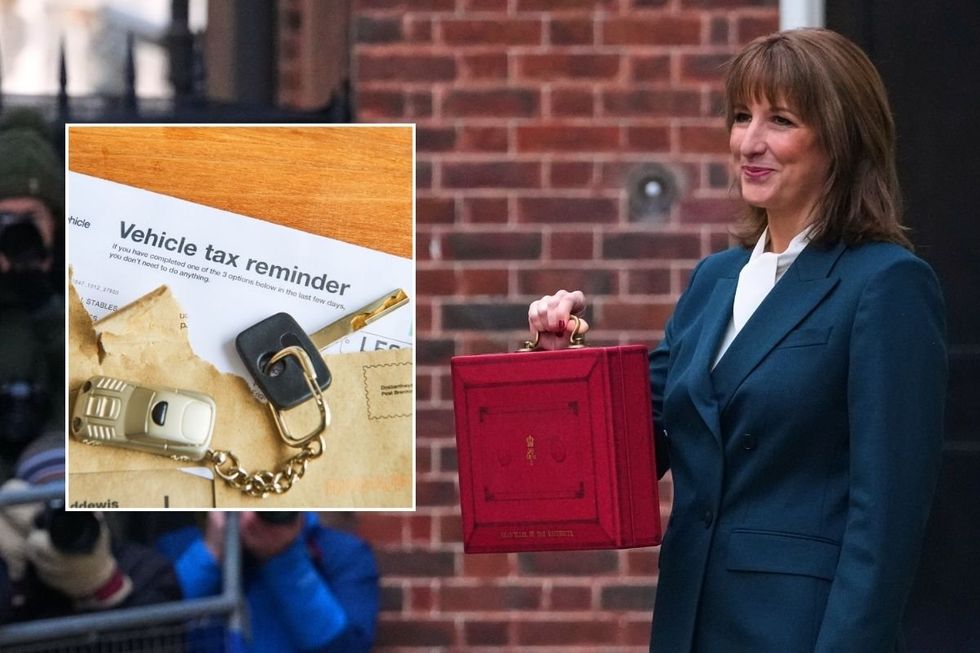
A new report has warned that millions of drivers could be “priced out” of investing in new electric vehicles over a number of key factors, including pay-per-mile car taxes.
Autotrader found that households earning less than £40,000 remain “significantly less likely” to consider an electric vehicle when compared to higher-income households.
Affordability remains one of the key barriers to entry, while a lack of awareness around range and chargers is also having a large impact on uptake.
The “No Driver Left Behind 2026 Report” warned that motorists could be further put off from getting behind the wheel of an electric car due to the recent Autumn Budget.
Chancellor Rachel Reeves unveiled new pay-per-mile car taxes, which will make it more expensive to run a low emission vehicle from 2028.
The new Electric Vehicle Excise Duty (eVED) will see hybrid car owners charged 1.5p per mile, while electric cars will be required to pay three pence for every mile driven.
The road pricing system has been criticised by experts for sending the wrong message to motorists at a time when uptake of electric vehicles needs to be addressed.
It is especially pertinent given the current plans to ban the sale of new petrol and diesel cars from 2030, with only zero emission vehicles on sale after 2035.
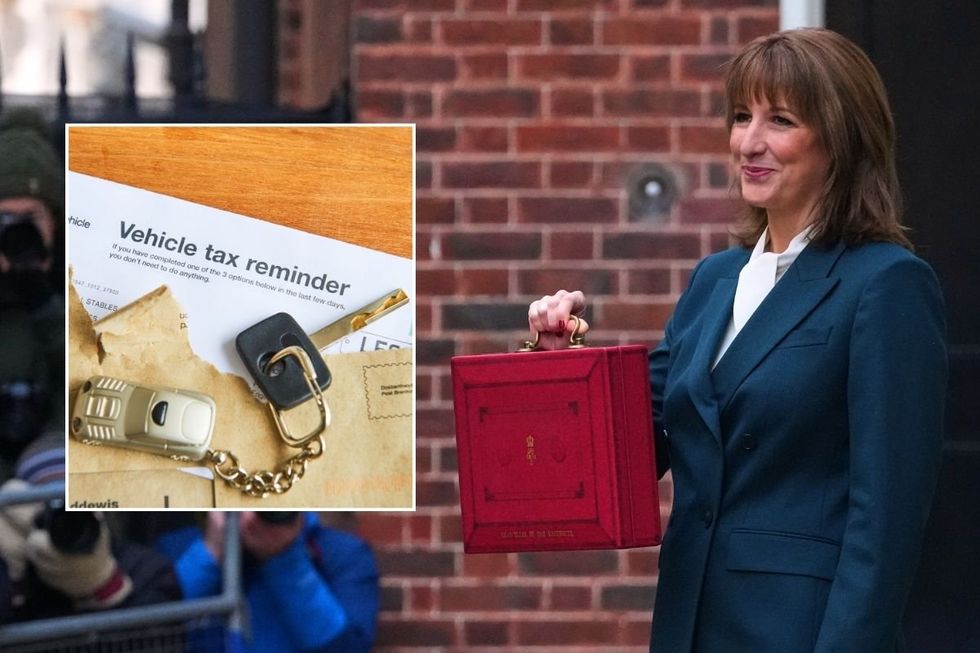
When introducing the new measures, the Chancellor said that all drivers need to pay for their use of the roads, regardless of what vehicle they drive.
Pay-per-mile car taxes will also help to plug a gap left by waning revenue from petrol and diesel sales, with the Government set to lose billions of pounds a year from fuel duty over the next decade.
The Autotrader report found that almost half (47 per cent) of UK drivers were less likely to invest in an electric car after the Budget, while one-third remained unchanged in their views.
Ian Plummer, chief customer officer at Autotrader, said it was a “pivotal moment” for the UK’s transition to electric vehicles, given the “lingering wealth divide”.
LATEST DEVELOPMENTS
- Labour urged to launch five-year warranty for pothole repairs as drivers face £645million in damages
- M60 traffic: Drivers stuck in long queues as ‘burst water pipe’ floods major motorway
- Electric bikes labelled more dangerous than cars as cyclists fear green vehicles
He continued, saying: “This new data also busts the myth that those who can charge at home will definitely switch – the driveway divide is no longer so clear cut.
“If lower-income households can’t access affordable vehicles, we risk creating a two-tier system where the benefits of cleaner, cheaper motoring accrue to those already better off.
“The path forward is clear: more choice at lower price points, greater transparency on battery health metrics, and practical charging solutions for people without driveways. Do that, and we unlock EVs for everyone – not just the few.”
While around 70 per cent of lower-income households have a driveway, motorists are still facing difficulties when looking to invest in electric vehicles.
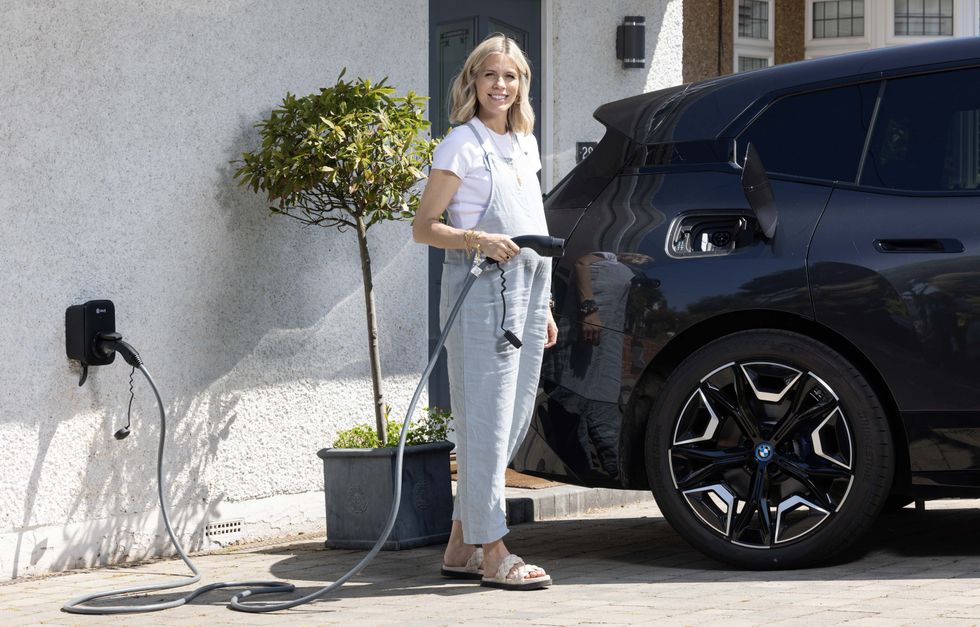
Drivers who can charge their EVs from home will see average cost savings of £1,500 every year, although other motorists continue to struggle with high energy prices.
Two-fifths of lower-income households buy cars priced at £5,000 or less, which presents further problems, given that just one per cent of second-hand electric cars fall into this bracket.
Vicky Edmonds, CEO of EVA England, said it “simply wasn’t right” that lower-income households are not able to transition away from petrol and diesel vehicles as quickly as other motorists.
“This important report shows that if drivers are to consider the switch a number of basic considerations must be met, with affordability at the forefront,” she added.
Our Standards:
The GB News Editorial Charter



Follow