



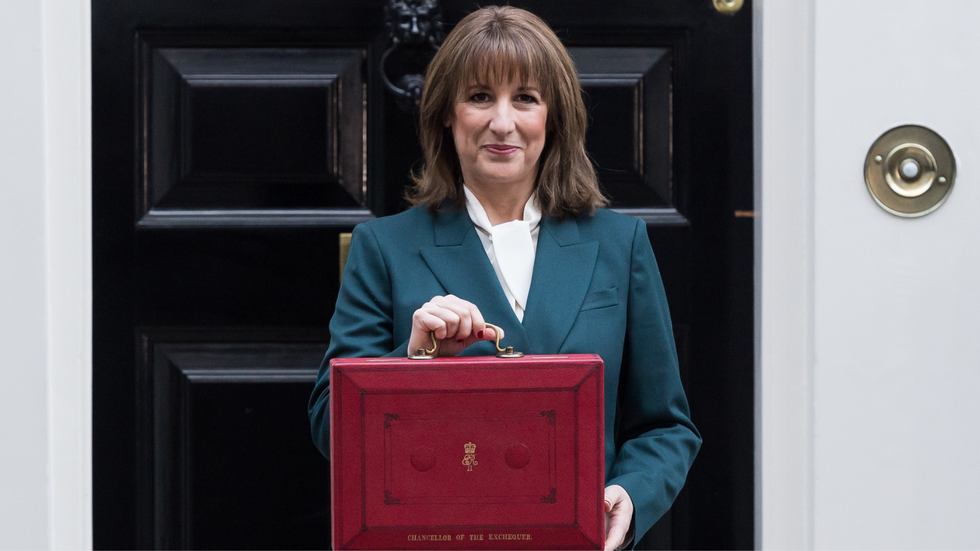
Chancellor Rachel Reeves has refused to rule out further tax rises in 2026, despite hitting taxpayers with £26billion of increases in last month’s Budget.
Speaking to The i Paper, the Chancellor expressed hope that “further changes to taxes are less necessary” owing to the expanded fiscal buffer created by her November Budget.
“What I did do in the Budget a couple of weeks ago was increase the fiscal headroom that the government has, more than doubled that, which means that when further disruption and shocks come our way we’re better able to withstand those sorts of shocks,” she explained.
Ms Reeves maintained it would be inappropriate to begin drafting subsequent budgets mere weeks after delivering her most recent financial statement, particularly given the “incredibly volatile” global economic climate.
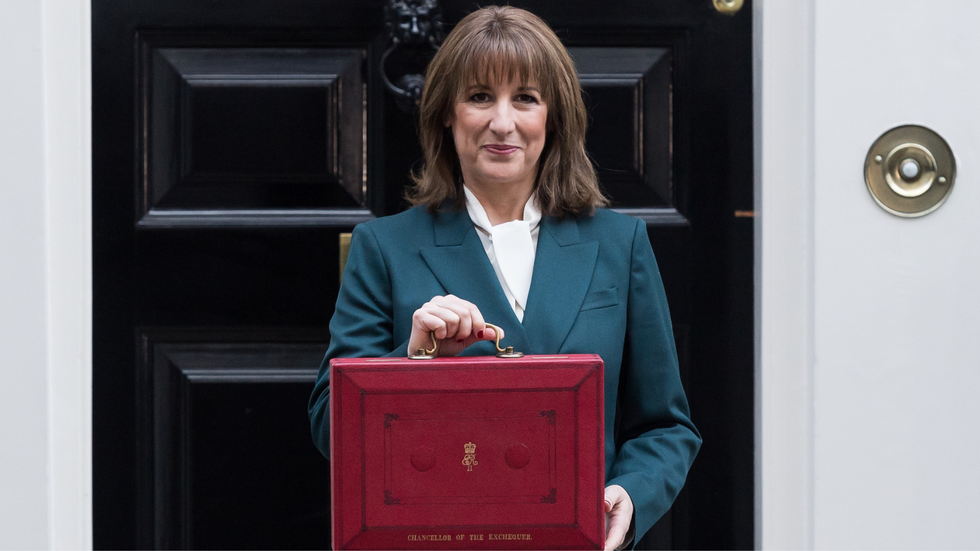
The Budget saw Ms Reeves implement £26billion in tax increases, including an extension of the freeze on income tax thresholds.
This latest round of rises follows a £40billion package announced in her first Budget, bringing the cumulative total to approximately £66billion in tax hikes since Labour took office.
The Chancellor and Sir Keir Starmer have been accused of breaking manifesto commitments not to raise income tax, National Insurance or VAT on working people.
The combined effect of these measures has pushed Britain’s tax burden to its highest point since the Second World War, with growing numbers of workers being pulled into higher tax brackets.
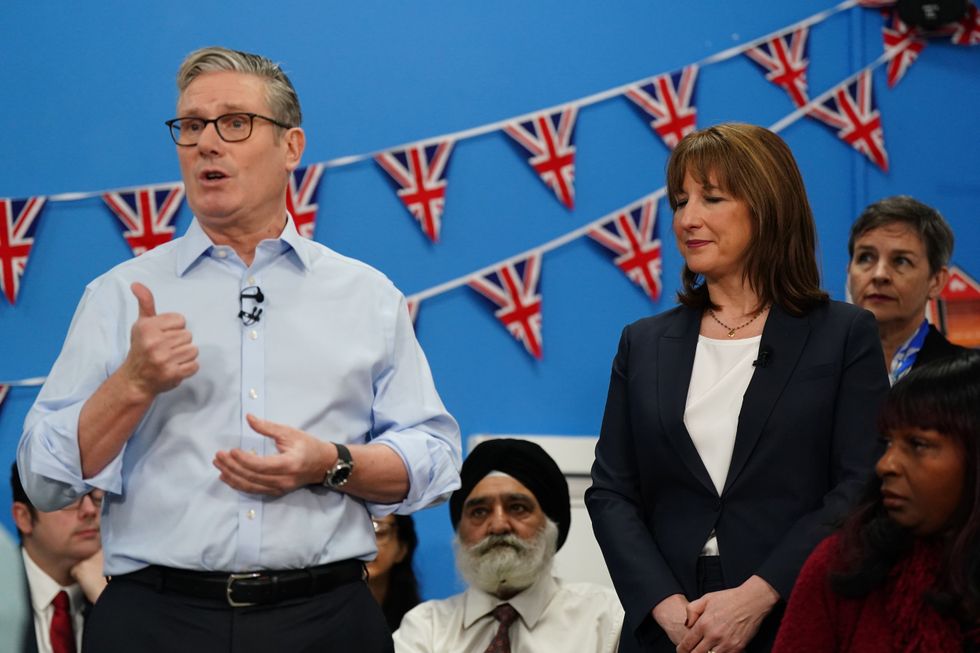
Ms Reeves had previously described her initial Budget increases as a “once in a generation” event.
She told the Confederation of British Industry in November 2024 that the government would not need to “come back for more.”
The Chancellor has faced accusations of breaching Labour’s election promises by extending the income tax threshold freeze, a measure that effectively drags more workers into paying higher rates of tax.
Ms Reeves has defended herself against these claims, arguing that the manifesto commitment “referred to the rates of income tax and National Insurance and the rate of VAT” rather than thresholds.
RACHEL REEVES – READ THE LATEST:
- Rachel Reeves BARRED from her local pub over ‘eye-watering’ tax hikes
- ‘Worse than the Grinch!’ Rachel Reeves dubbed ‘dementor sapping hope and confidence’ out of Britain
- Rachel Reeves branded ‘smart and capable’ by GB News guest while Britons hit with £26billion taxes
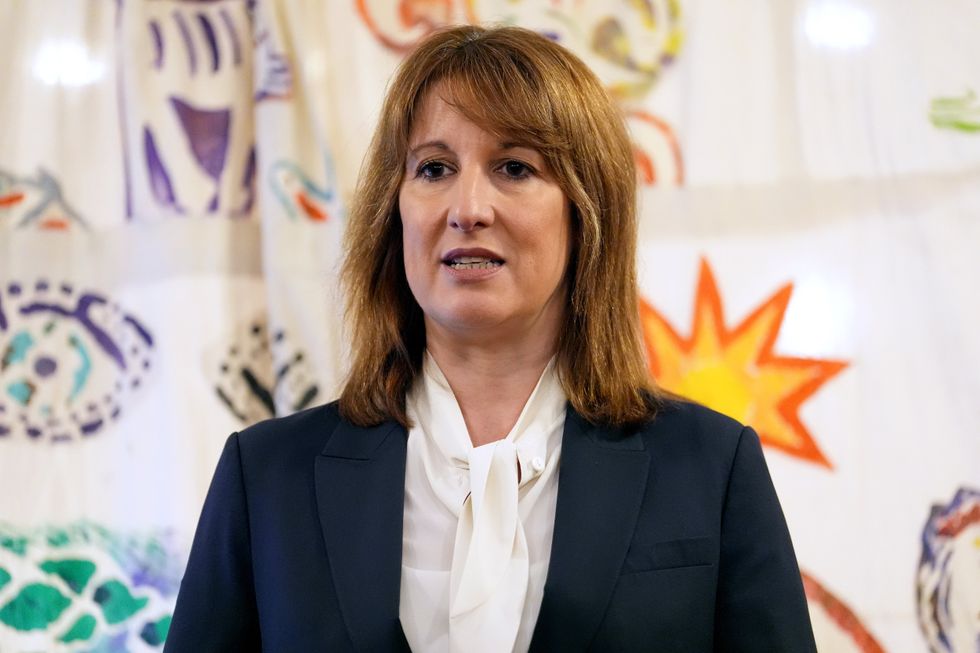
However, this position appears to contradict her own statements from the previous Budget, when she declared: “I have come to the conclusion that extending the threshold freeze would hurt working people. It would take more money out of their payslips.”
At that time, she explicitly stated: “I am keeping every single promise on tax that I made in our manifesto, so there will be no extension of the freeze in income tax and national insurance thresholds.”
Turning to housing policy, Ms Reeves identified helping young people onto the property ladder as a Government priority, noting that keeping interest rates low remains essential to this goal.
“There has been a decline in home ownership over the last 10 or 15 years,” she said.
“I want to move in the other direction and find more people being able to get a mortgage and get on the housing ladder, because I know that that is the aspiration for so many people.”
The Chancellor expressed support for proposals under consideration by the Financial Conduct Authority that would introduce more flexible mortgage arrangements, enabling first-time buyers to “borrow more and also borrow a bigger multiple of what your income is.”
Ms Reeves acknowledged that purchasing a home in her twenties, as she once did, would be impossible in today’s economic conditions.
It comes after the Chancellor was barred from her local pub amid backlash over tax hikes hitting the hospitality industry.
Our Standards: The GB News Editorial Charter



Follow