



A record 2.06 million workers are forecast to be caught in the £100,000 tax trap during the 2026–27 financial year, according to new projections from HM Revenue & Customs (HMRC).
The figures show that a further 112,000 earners are expected to cross the six-figure income threshold in the coming tax year.
Workers affected by the threshold face losing 62p of every additional pound earned between £100,000 and £125,140.
This effective marginal tax rate is driven by the gradual withdrawal of the tax-free personal allowance once earnings exceed £100,000.
The projections were obtained through a Freedom of Information (FoI) request submitted by wealth manager Rathbones.
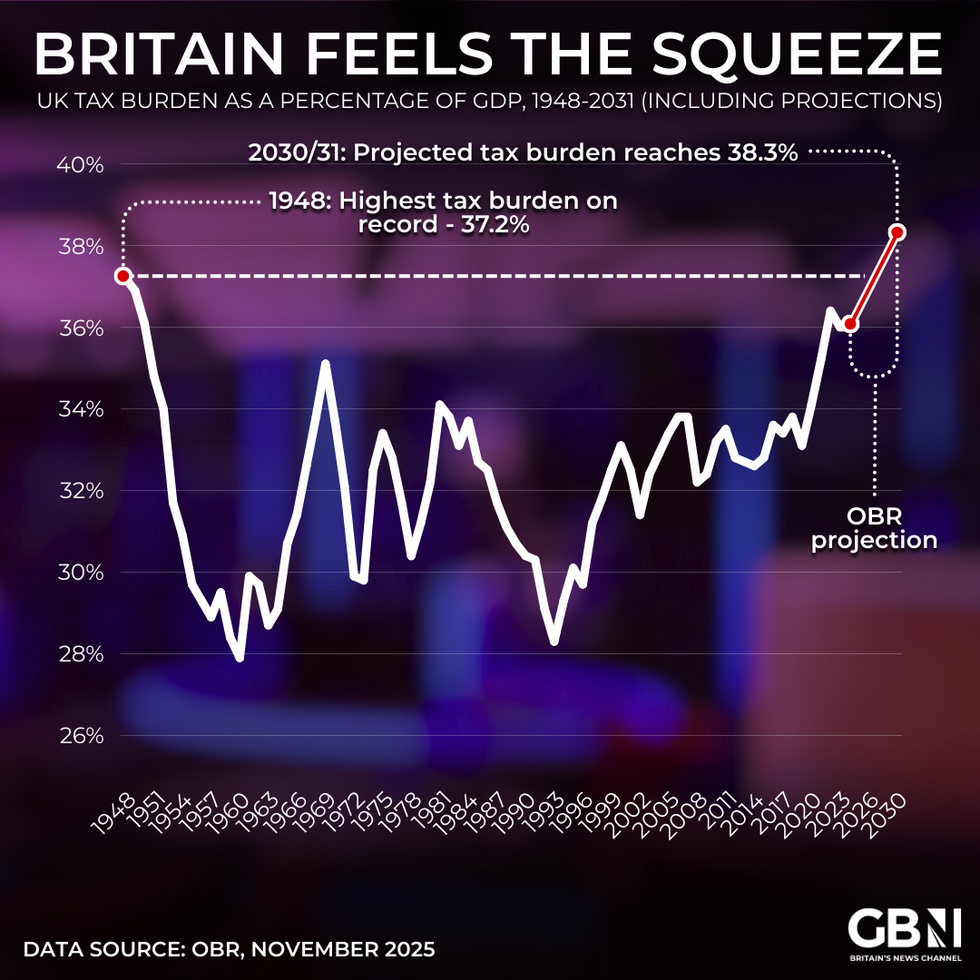
They highlight the growing number of higher earners being pulled into the tax trap as wages rise while income tax thresholds remain frozen.
In the 2021–22 tax year, around 1.2 million taxpayers earned more than £100,000.
The latest forecasts suggest the number will have risen by more than 800,000 within just five years, with estimates indicating the trend is set to continue.
By the 2028–29 tax year, around 2.3 million workers are expected to breach the £100,000 threshold.
The increase is largely attributed to fiscal drag, where frozen thresholds pull more people into higher tax bands as nominal earnings rise.
Families with young children face an additional financial impact when earnings reach £100,000.
At this point, childcare support is withdrawn entirely if either parent earns at or above the threshold.
This can result in families facing thousands of pounds in extra nursery costs each year.
Analysis from wealth management firm Quilter shows how inflation has eroded the value of tax thresholds.
If the personal allowance taper had risen in line with inflation, workers would only begin to lose it once earnings reached £154,000.
Under the same inflation-linked scenario, childcare support would not be withdrawn until earnings hit £133,000.
Many higher earners currently take steps to manage their tax liability by increasing pension contributions.
Salary sacrifice arrangements allow employees to reduce their taxable income by redirecting part of their pay into a pension.
This can help some workers avoid falling into the £100,000 tax trap altogether.
LATEST DEVELOPMENTS
- UK bosses rush to hand firms to children within next 5 years to beat Labour’s inheritance tax raid
- High street firms urge Rachel Reeves to widen business rates relief – with 150 closures expected
- Rachel Reeves faces backlash as pay-per-mile scheme risks killing key car market in blow to Labour
However, changes announced in the Chancellor’s November Budget could restrict this option.
The Budget proposed a £2,000 annual cap on salary sacrifice pension contributions.
This proposal has prompted concern among financial advisers and wealth managers.
A Treasury impact assessment found that 7.7 million employees currently use salary sacrifice to make pension contributions.
Of these, around 3.3 million sacrifice more than £2,000 a year from their salary or bonuses.
If the cap is introduced, higher earners could lose one of the most effective tools for managing their tax exposure.
Those earning above £100,000 would then face higher tax bills with fewer options to mitigate the impact.
The proposed restriction would limit one of the few remaining ways to soften the 62p marginal tax rate.

Some advisers warn that rising tax pressures may influence decisions about where people choose to live and work.
Rob Lewis, Co-Founder of Celtic Financial Planning, said: “It’s the thing I’m most worried about.”
He said: “High earners could do their job anywhere. How many millionaires will leave the country? I’ve had more discussions with clients about leaving to places like Dubai to get more value for money.
“People who put the most money into the coffers are leaving, so although taxes have increased, we’ll get less revenue.”
Our Standards:
The GB News Editorial Charter



Follow