



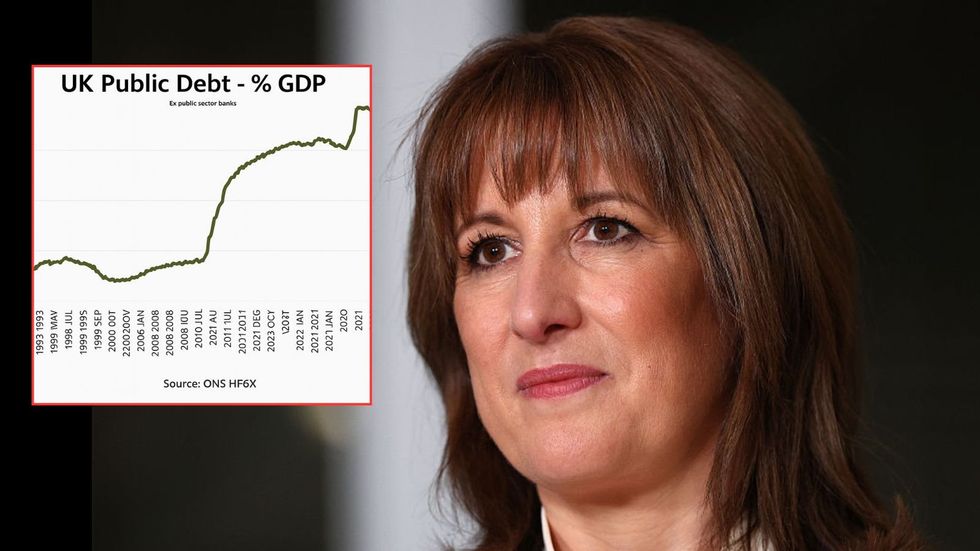
Rachel Reeves has been warned Government borrowing is moving onto a “very frightening” and potentially “unaffordable” path, according to the Office for Budget Responsibility (OBR).
Despite Chancellor Rachel Reeves’s repeated assurances the national debt will begin to fall, the independent watchdog’s figures indicate national debt is set to rise significantly from £2.8trillion today to £3.5trillion by 2031.
Professor David Miles of the OBR highlighted the underlying pressures during evidence to the Treasury Select Committee last week.
He said: “For many years, the trajectory of Government debt has been up and up and up”.
Professor Miles warned leaving current tax and spending policies unchanged would cause the debt-to-GDP ratio to “rise inexorably” and reach unsustainable levels within decades.
He said “something much more significant” would be required than allowing debt to peak in the coming years before falling slightly.
Professor Miles added: “Otherwise, the thing will become unaffordable and unsustainable”.
The OBR estimates cumulative interest payments on the growing debt are on track to reach £750billion, which the watchdog notes is comparable to four years of NHS and social care spending.

A separate OBR report projected Government debt, currently close to 100 per cent of GDP, could increase to more than 270 per cent of annual economic output by the mid-2070s if no policy changes are implemented.
The OBR’s warning comes ahead of the Chancellor’s appearance before MPs on Wednesday, where she will be questioned over pre-Budget briefings and the disclosure that she had been aware for months that the public finances were not facing the shortfall that had been widely suggested.
In the wake of the scandal, Conservative leader Kemi Badenoch has called for her removal, accusing her of misleading both the public and financial markets about the state of the nation’s finances.
It emerged that Ms Reeves had been informed she was working with a £4.2billion surplus rather than the widely reported £30billion shortfall.
LATEST DEVELOPMENTS:
- Camilla Tominey blasts Rachel Reeves’s record after Labour Minister hails ‘excellent’ Chancellor
- Rachel Reeves’s Budget welfare splurge to top-up pockets of 350k migrant families
- Major brewery confirms pint prices will rise in pubs as Rachel Reeves’s alcohol tax bites
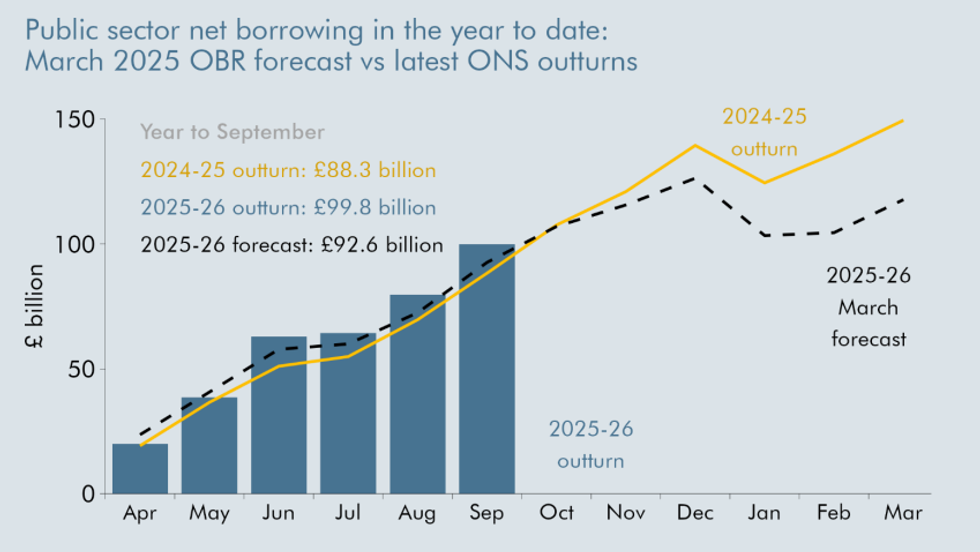
She’s accused of not correcting the public impression of a significant gap that would require tax rises.
The decision has drawn scrutiny because Ms Reeves continued to refer to difficult fiscal conditions while also preparing plans for increased welfare spending.
Labour MP John Grady, a member of the Treasury Select Committee, said: “This is a serious issue because of the amount we pay on debt interest and resilience if we have future shocks”.
Mr Grady added: “We never actually seem to repay any debt. It seems to get bigger all the time”.
The Chancellor will face detailed questions about the scope and volume of media briefings in the days leading up to the Budget.
Ruth Curtice, head of the Resolution Foundation, told parliamentarians “the speculation and pre-briefing in the run-up to this Budget was unprecedented and unhelpful”.
Helen Miller of the Institute for Fiscal Studies (IFS) raised similar concerns, describing the scale of the leaks as “unusual and concerning” and saying they had “held back real economic activity”.
The Treasury has launched an inquiry into the disclosures, while the Financial Conduct Authority (FCA) may also open a separate investigation.
The OBR also confirmed it had mistakenly published confidential Budget material online, an error that prompted the resignation of its chief executive, Richard Hughes.
Ms Reeves will additionally be questioned over her decision to increase short-term borrowing in order to fund welfare spending rather than directing additional resources towards economic growth measures.
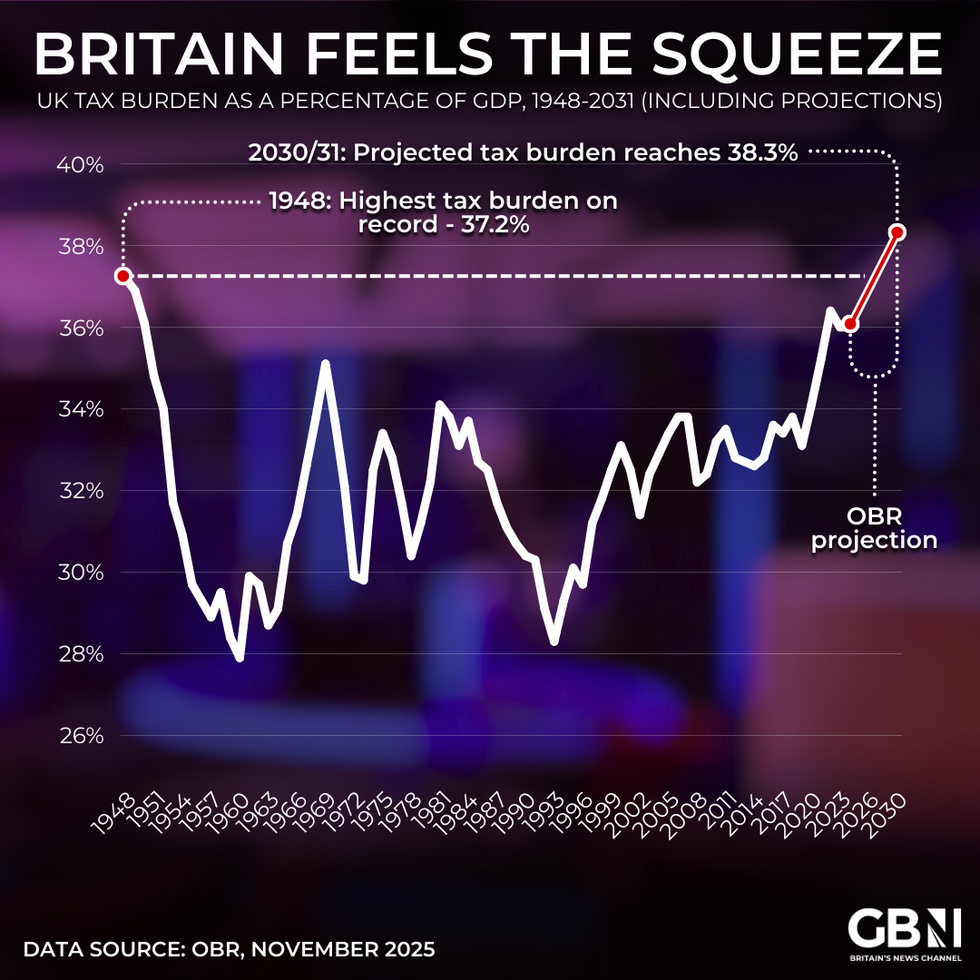
MPs are expected to examine why she has chosen to “backload” around £26billion in extra taxation towards the years just before the next general election, which must be held by mid-2029.Fiscal analysts have noted the contrast between the immediate spending commitments and the delayed timetable for raising the associated revenue.The uncertainty surrounding future tax policy has already led savers to withdraw record sums from stock market funds amid fears of higher tax measures.These combined developments have created significant political and economic pressure as the Chancellor prepares to defend her position before MPs.
Our Standards:
The GB News Editorial Charter



Follow