



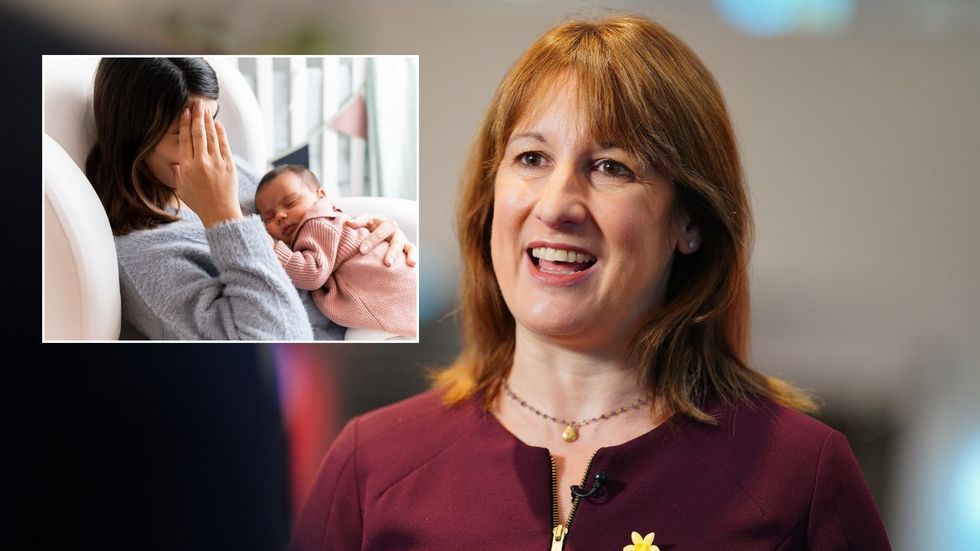
Rachel Reeves’s salary sacrifice pension rule changes could leave mothers as much as £85,000 worse off by retirement.
Analysts warn the policy risks deepening long-standing gender inequalities in pension saving.
The Treasury will introduce a £2,000 cap on national insurance-free pension contributions from April 2029, ending the current system that allows higher contributions to benefit from reduced deductions.
Retirement specialists say the change will disproportionately affect women who already face reduced earnings and lower pension contributions after having children.
Adam Cole, a retirement specialist at Quilter, said: “Over a lifetime these losses can snowball into tens of thousands of pounds.”
Government data shows women lose an average of £65,000 in earnings during the five years after the birth of their first child.
This reduction in income has a direct impact on pension saving, particularly during periods of maternity leave.
During maternity leave, an employee’s pension contributions fall in line with their reduced pay.
Those receiving statutory maternity pay take home £187.18 each week, which sharply limits the amount they can pay into their pension.
Employers must continue contributing at pre-leave levels under auto-enrolment rules, but a worker’s own contributions drop significantly during this time.
Quilter modelled the impact on a 35-year-old woman earning £80,000 and contributing five per cent of her salary into her pension.
Taking six weeks at full pay followed by 46 weeks on statutory maternity pay, her pension contributions would fall £7,462 short of what she would have saved had she remained on full earnings.
LATEST DEVELOPMENTS
- Rachel Reeves’s pension overhaul could wipe £50,000 from your retirement pot
- Pension hack REVEALED: How you can make £2m fortune via ‘small’ investments and ditching coffee
- State pension triple lock ‘BANKRUPTING’ Britain as Labour begged to axe payment hike for retirees
With annual investment growth of six per cent, that gap would grow to £49,580 by age 68.
The new salary sacrifice cap would remove additional national insurance savings worth £340 per year in her case, which would compound to £35,420 by retirement.
Mr Cole said the calculations highlight how the system already disadvantages women before the incoming changes take effect.
He said: “Women already retire with 33 per cent less in private pension wealth than the population average, and for single mothers the gap is an astonishing 46 per cent”.
“These figures reflect decades of structural inequality. The reality is that career breaks for childcare, part-time work and lower earnings all compound over time.”
Mr Cole warned the salary sacrifice cap would deepen those disparities by removing a key benefit that had helped some workers rebuild savings after time out of the workforce.
“The upcoming changes to salary sacrifice will make things even worse by removing the extra national insurance savings that employers used to add to pensions, and also make it more expensive to try to catch up with contributions lost during parental leave.”
Lisa Picardo, chief business officer at PensionBee, raised similar concerns, saying the changes could entrench the losses women face during maternity leave.
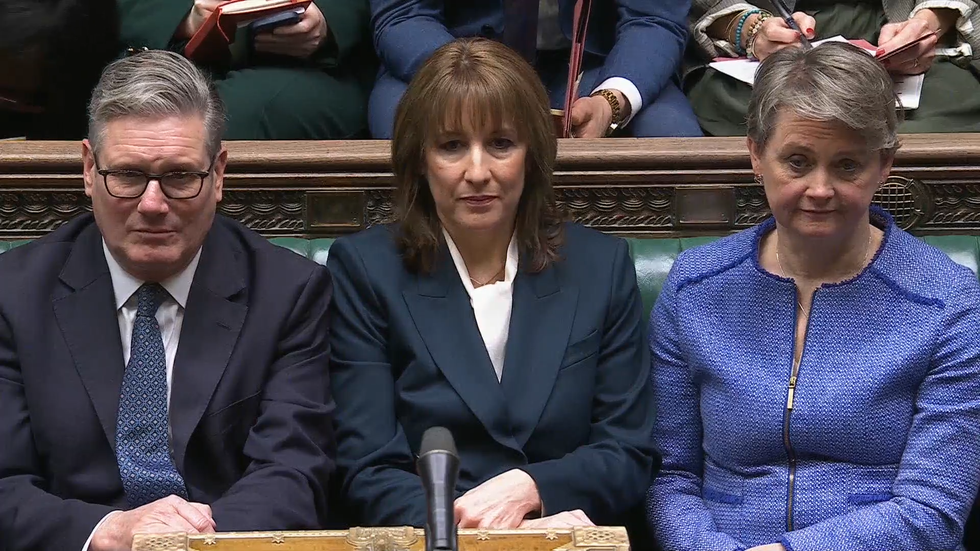
She said: “Women already lose out on pension saving during maternity leave, and changes to salary sacrifice risk making that penalty permanent.
“The gender pension gap is already substantial and shows little sign of closing.
“Without measures that actively recognise and compensate for career interruptions, changes to pension incentives risk making the problem worse.”
Salary sacrifice has become a widely used method for higher earners to reduce their taxable income, particularly among those seeking to avoid the 62 per cent effective marginal tax rate applied to earnings above £100,000.
Government analysis shows that most users of salary sacrifice are aged between 31 and 50, with men accounting for 59 per cent of participants.
From April 2029, any contributions over £2,000 made through salary sacrifice will be subject to national insurance deductions at the standard rates of eight per cent on earnings below £50,268 and two per cent above that threshold.
For mothers looking to rebuild pension savings after maternity leave, Mr Cole said partners or relatives could help by contributing directly into their pension, with the recipient still receiving tax relief.
Mr Cole said: “Otherwise, the long-term impact is huge”.
Our Standards:
The GB News Editorial Charter



Follow