



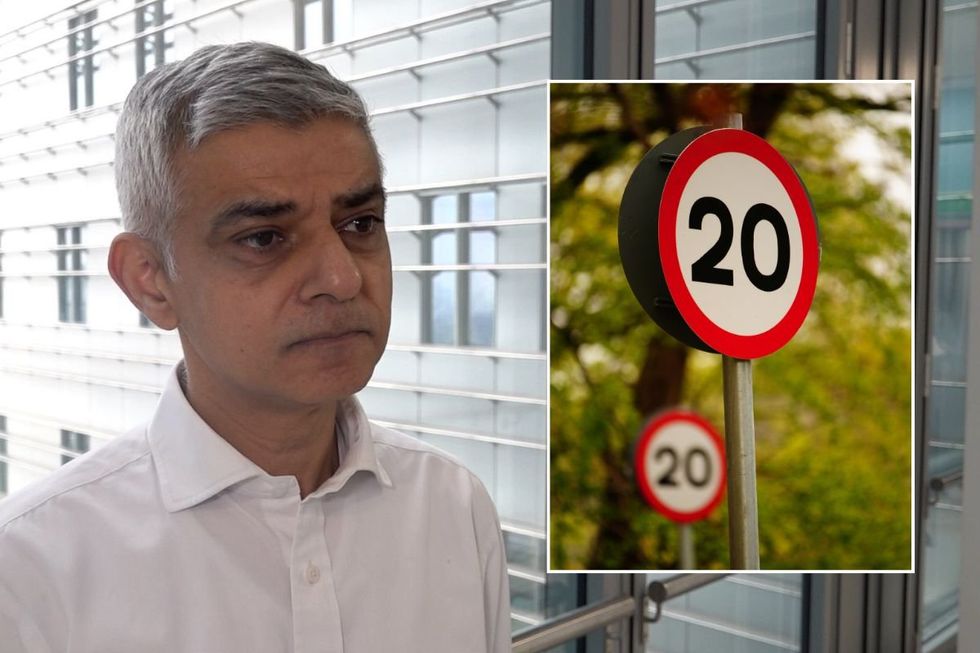
Sir Sadiq Khan’s widespread use of 20mph speed limits across the capital has slowed down traffic, making London the slowest of all capital cities across the world.
New research has handed London the unwanted crown of being the slowest capital city in the world to drive in.
On average, a one-kilometre (0.6-mile) trip in the centre of London took a staggering three minutes and 38 seconds.
The Colombian city of Barranquilla was the only region slower than London last year in a list of almost 500 global towns and cities.
Andy Marchant, traffic expert at TomTom, which commissioned the research, noted that low average speeds are interpreted as “extreme congestion”, although that “misses the full picture”.
He told the PA news agency: “Average speeds are heavily shaped by static factors such as the widespread 20mph limits, street design that doesn’t match today’s needs, and consistently high traffic volumes, which means journeys can be slow even when roads are flowing.
“Congestion still matter but in London it adds delay on top of an already constrained baseline rather than being the only cause of slow travel.”
Data from Transport for London shows that more than half of London’s roads now have a 20mph speed limit.
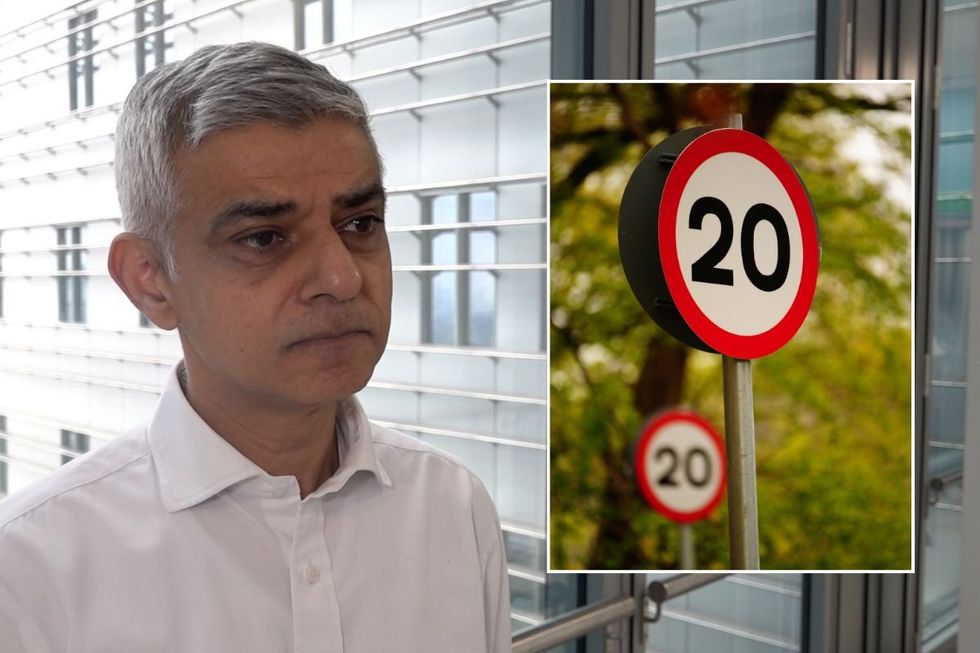
London has been one of the few global cities to introduce the slower traffic measures, with Transport for London introducing more than 264km of 20mph zones since 2018.
Slower speed limits have been crucial to London Mayor Sir Sadiq Khan’s “Vision Zero” safety plans, which aim to remove all road deaths and serious injuries by 2041.
Research from TfL revealed that the number of people killed or seriously injured on the capital’s roads has dropped 34 per cent between 1989 and 2013.
In total, 21 of 33 boroughs now have 20mph as their default speed limit, with TfL expecting this to grow as more safety data is published to highlight the benefits of slower speed limits.
LATEST DEVELOPMENTS
- Elderly drivers dazzled by headlight glare forced to ‘swerve’ across roads – ‘Change is necessary!’
- Electric cars see huge hike in running costs following Rachel Reeves’ Budget amid impact of new taxes
- DVSA uncovers widespread illegal e-scooter operations putting Britons at risk – ‘Silent and unpredictable’
Transport for London pledged £87.6million through Local Implementation Planning funding in 2025-2026 to introduce more 20mph zones and other road safety measures.
Speaking in August, Sir Sadiq Khan said: “Despite what their detractors might claim, 20mph speed limits haven’t actually made journeys slower because journey times are largely dictated by junction delays, not vehicle speed.
“Roads where 20mph speed limits apply aren’t just safer; they are quieter, too, encouraging more people to walk or cycle,” he told The Guardian.
He also noted that a person is five times more likely to be killed if they are hit by a vehicle travelling at 30mph rather than 20mph.
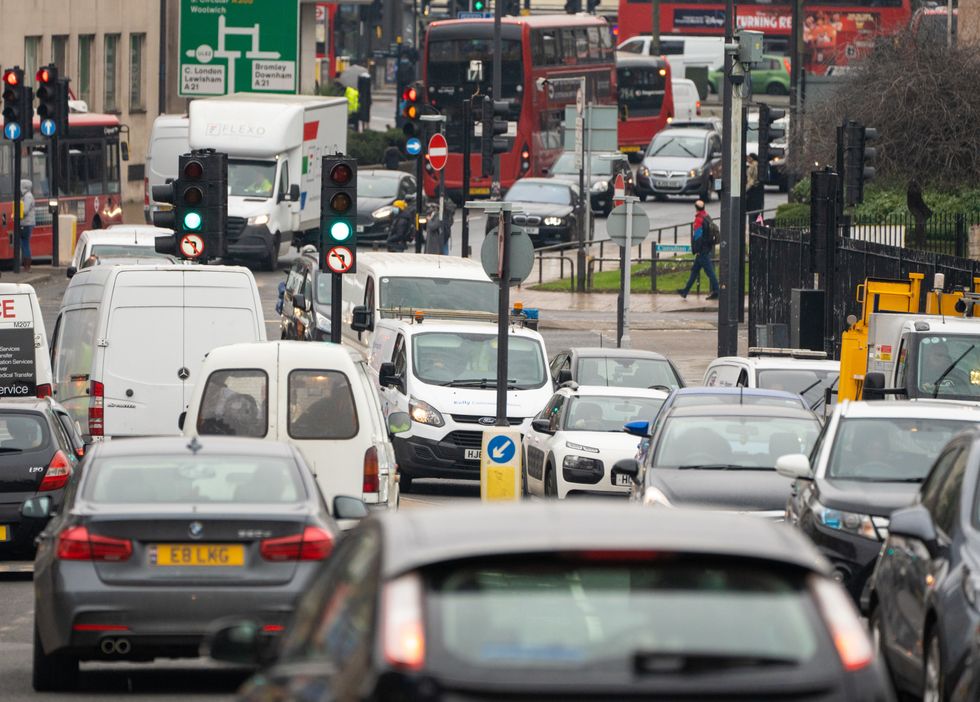
The TomTom data showed that London was the eighth most congested town or city in the UK. This was based on the percentage of extra time spent in traffic compared to free-flowing roads.
London recorded a score of 52 per cent, while Belfast (58 per cent), Edinburgh (58 per cent) and Cambridge (54 per cent) all outranked the capital.
Despite this, motorists in London lost an average of 141 hours stuck in rush hour traffic last year, with the worst day of congestion being seen on September 10, during the Tube strikes.
Mr Marchant suggested that traffic rates for London would be “interesting” in 2026, given the rollout of new autonomous vehicles over the coming months.
Our Standards:
The GB News Editorial Charter



Follow