


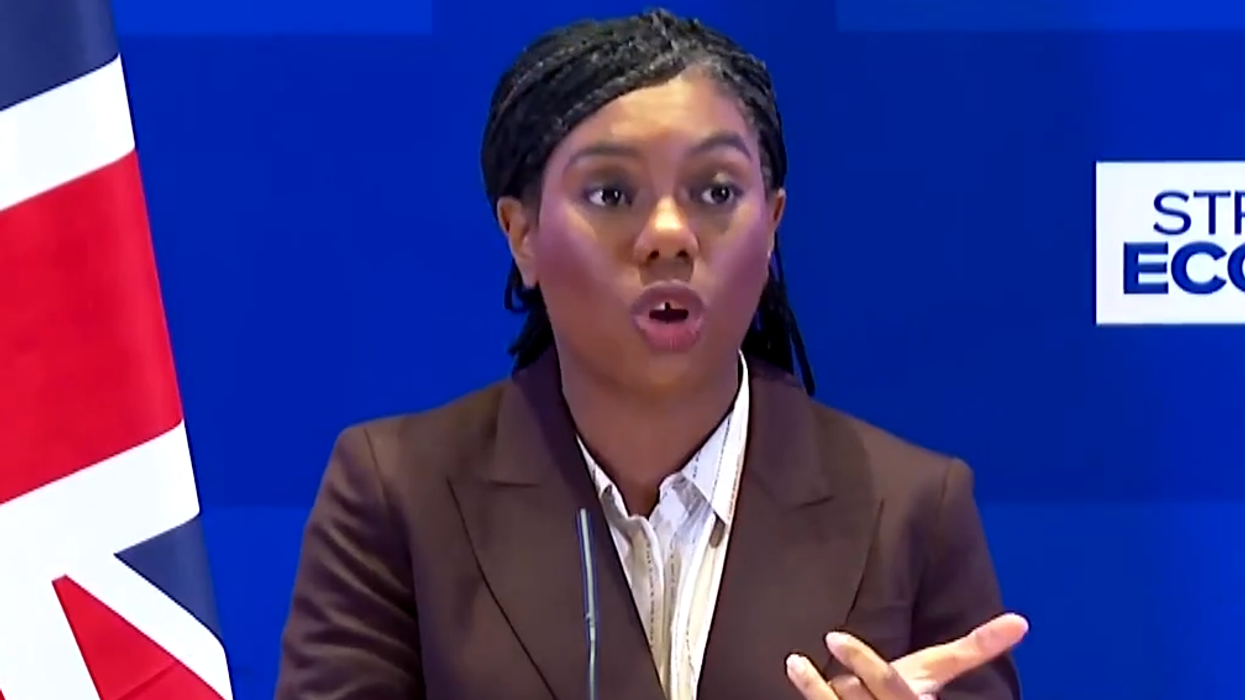
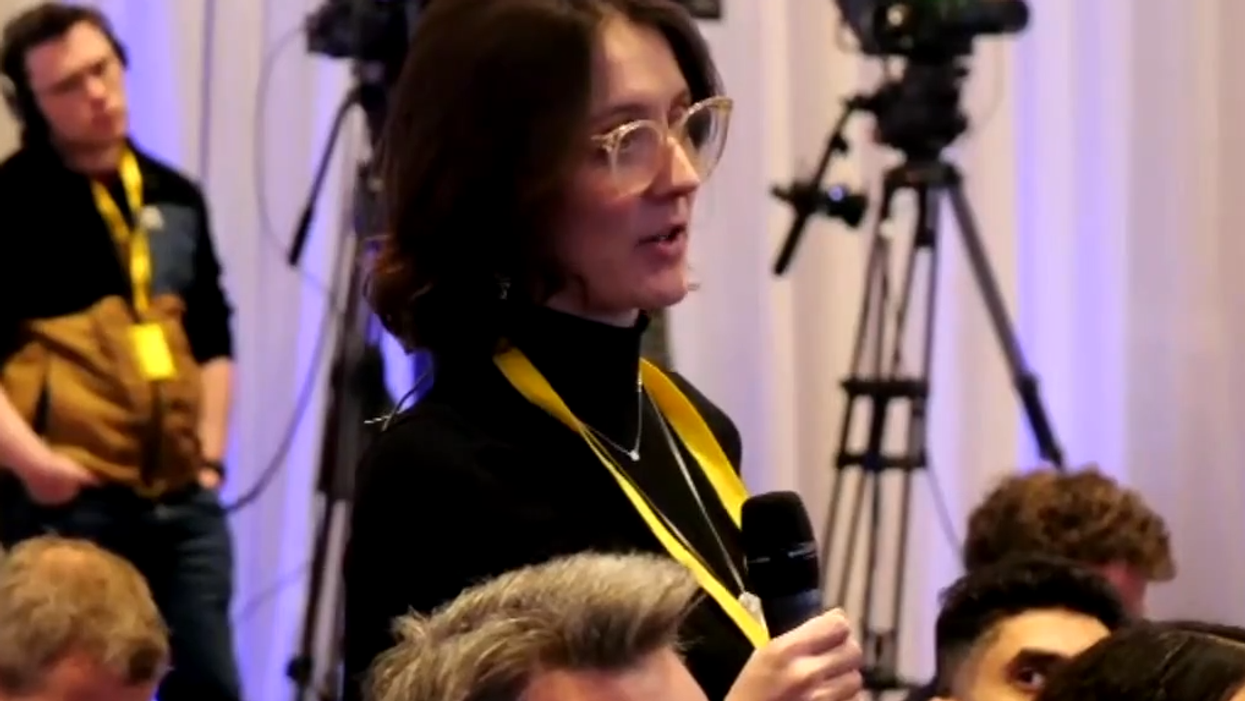
Olivia Utley grilled Kemi Badenoch on the triple lock, questioning whether it is still “a good use of taxpayer money”.
The GB News Political Correspondent asked whether the Conservative Party should reconsider the commitment to the triple lock, amid growing costs of the policy.
Olivia Utley said: “You talk of a welfare bill with a state attached, the IFS estimates that the triple lock costs £11billion more a year than if the state pension simply rose in line with earnings.
“Is the triple lock really still a good use of taxpayer money?”
Mrs Badenoch responded: “I get asked this question again and again. The fundamental problem in our country is that we are not growing.
“Tackling, you know, changing the triple lock just means that we’re still moving money around.
“It’s the same kind of thinking taking from those who don’t have very much and giving to another group.
“If we were growing at two to three per cent, there would be no one talking about the triple lock.
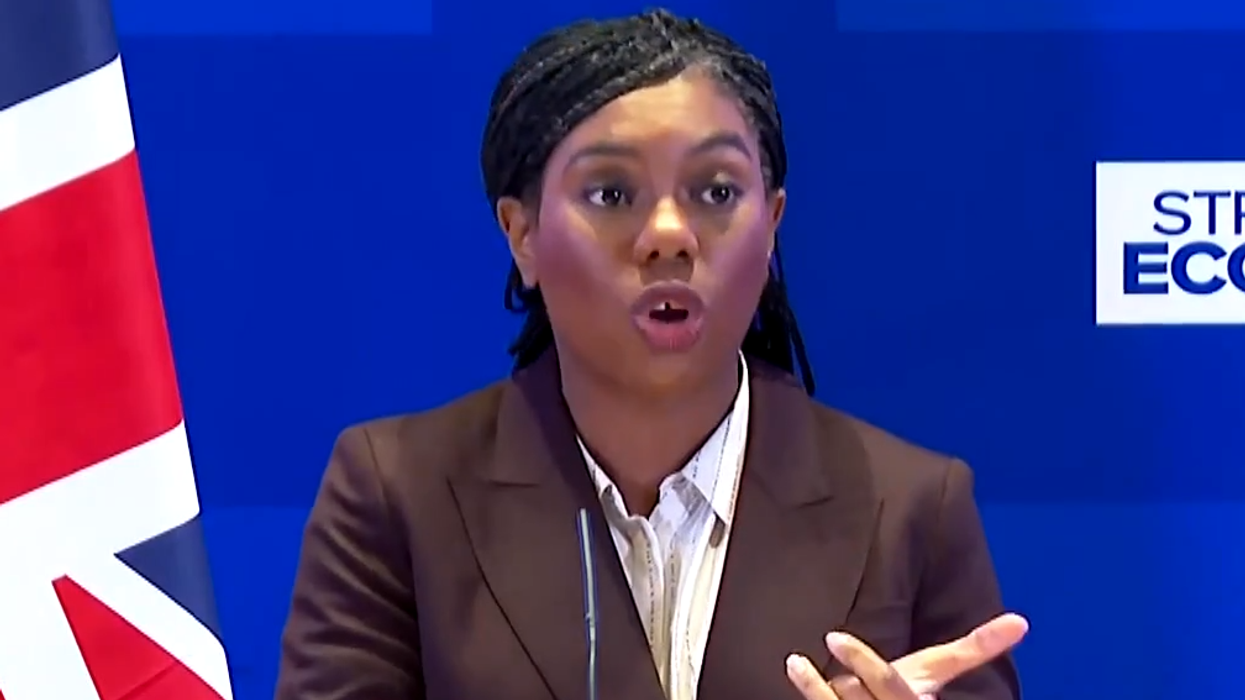
“The triple lock is Conservative policy. Let’s start with growth measures. If you take somebody out of welfare and get them into work, you are creating growth.
“If you cut people’s pensions, you’re not creating growth. So let’s focus on growth and wealth creation. There’s only one party that knows how to do that.
“Lots of people can divide money that’s already existing, but the only people who actually know how to create wealth and create growth as a government are Conservatives.
“That’s what the economic unit are going to be working on. It needs a lot of deep thinking
LATEST DEVELOPMENTS
- Inheritance tax update: Rachel Reeves to push record number of estates into £1million bill
- ‘Blatant hypocrisy!’ Cabinet Office hiring £100k ‘TikTok managers’ despite ban over security fears
- Labour’s plans for mandatory digital ID branded a ‘threat to civil liberty’ in brutal takedown
“We have people in business out there helping us. That’s what we will do to make sure that we don’t have child poverty, but we don’t create pensioner poverty either.”
The question came shortly after the Tory leader took to the stage to share he plans for the opposition party’s future.
Every person who moves off benefits and into work, she said, is “a double boost” for the economy.
Those who were previously claiming support begin contributing to the system, reducing the burden on taxpayers
“This is how we reduce the tax burden, especially on businesses, who are then able to create more opportunities and more jobs,” she explained.
Ms Badenoch criticised Labour’s approach, saying their “doom loop” of raising taxes and killing jobs only leads to further tax rises and economic stagnation.
She added that her shadow cabinet will review “some of the most challenging and complicated aspects of work and welfare” next year to find ways to get millions more people into employment.
The Tory leader concluded that her Party aims to transform Britain from a “welfare state into an opportunity state.”
Our Standards:
The GB News Editorial Charter



Follow