



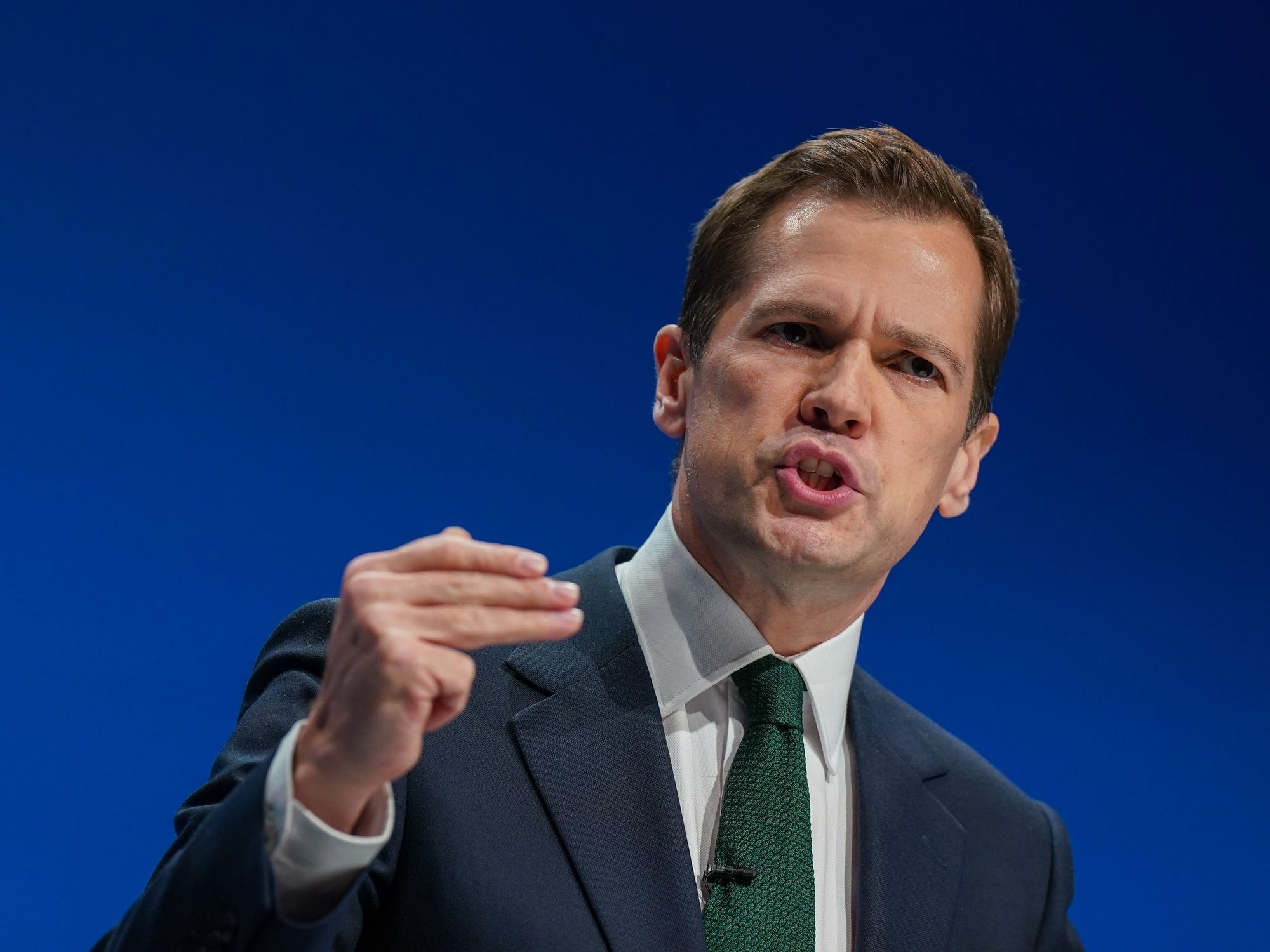
Robert Jenrick has warned Britain is facing the “fight of a generation” against home-grown Islamism and that “time is running out” to prevent an extremist takeover.
In his damning verdict, the Shadow Justice Secretary accused the Government and law enforcement of being willfully ignorant of the growing threat.
Mr Jenrick argued that decades of mass immigration and the “abject failure of integration” had allowed Islamists who were “unrespecting of British institutions of law and order, violent or openly threatening violence” to gain a foothold.
As a result, he suggested police forces were now either unable to fully enforce the law or were too intimidated to do so.
“They believe they would be overwhelmed if they tried to enforce the law. They are too defeatist to try. Or perhaps they believe it better not to, as the sight of their failure would be catastrophic for faith in them and in the rule of law as we’ve known it,” the Shadow Justice Secretary slammed.
Mr Jenrick warned that failing to confront Islamist extremism would have severe consequences for British society.
He warned an empowered radical movement would lead to the “ubiquity of Sharia courts, cousin marriage, hate preachers in mosques (enjoying charitable status), rampant antisemitism”.
“Our foreign policy will be increasingly dictated by Islamism, rather than by any traditional understanding of British interests. Women’s rights will be further undermined. Our country will be a more threatening and violent place,” the former cabinet minister predicted.
“The fight against Islamism is the fight of our generation.”
“It’s a battle for the soul of the country. It begins by telling the truth,” he declared.
In his warning, Mr Jenrick pointed to West Midlands Police decision prohibiting Maccabi Tel Aviv supporters from attending an Aston Villa fixture as evidence of an apparent surrender to Islamist elements in British society.
Chief Constable Craig Guildford is facing severe scrutiny over the decision, with ministers calling for his resignation over the move.
LATEST DEVELOPMENTS
- How ‘stealth tax’ risks RECORD church closures as Britain’s historic places of worship at risk
- Children treated like terrorists for questioning mass migration in Home Office-funded video game
- Labour MP reveals he would NOT vote to ban cousin marriage as GB News viewers left speechless
After the force had initially justified the move over fears of hooliganism from the visiting Israeli fans, it emerged that there were fears of armed locals taking to the streets.
Consultations that led to the ban on Mosques, which had been criticised for hosting radical speakers, have also intensified pressure on West Midlands Police.
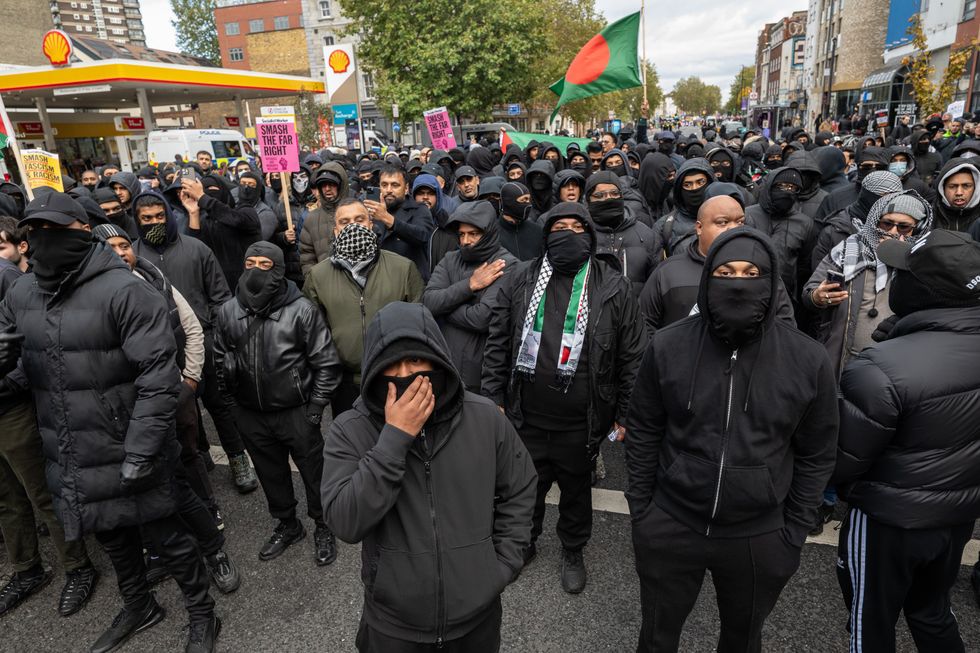
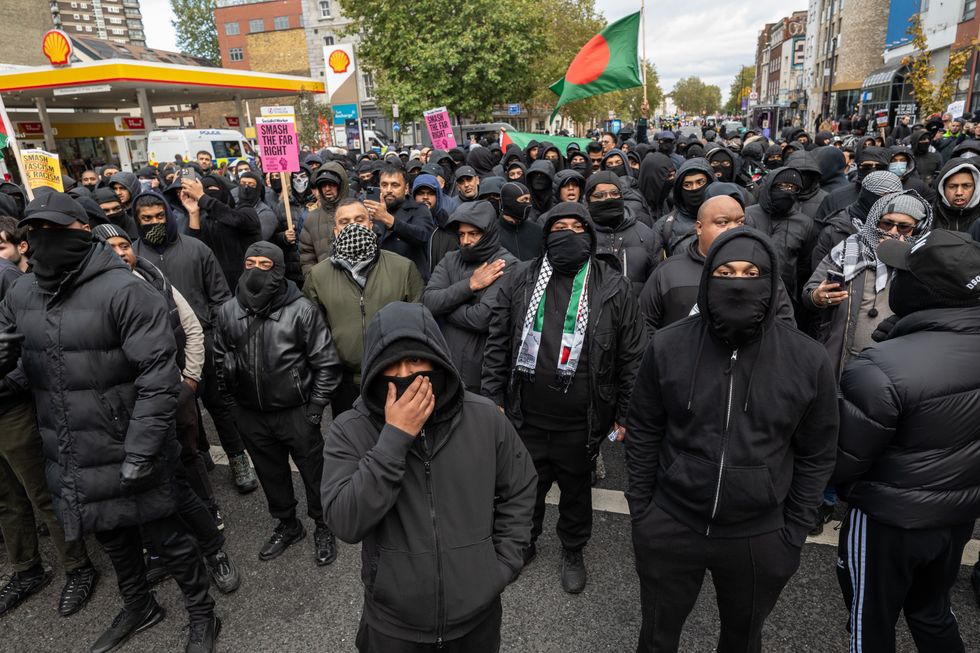
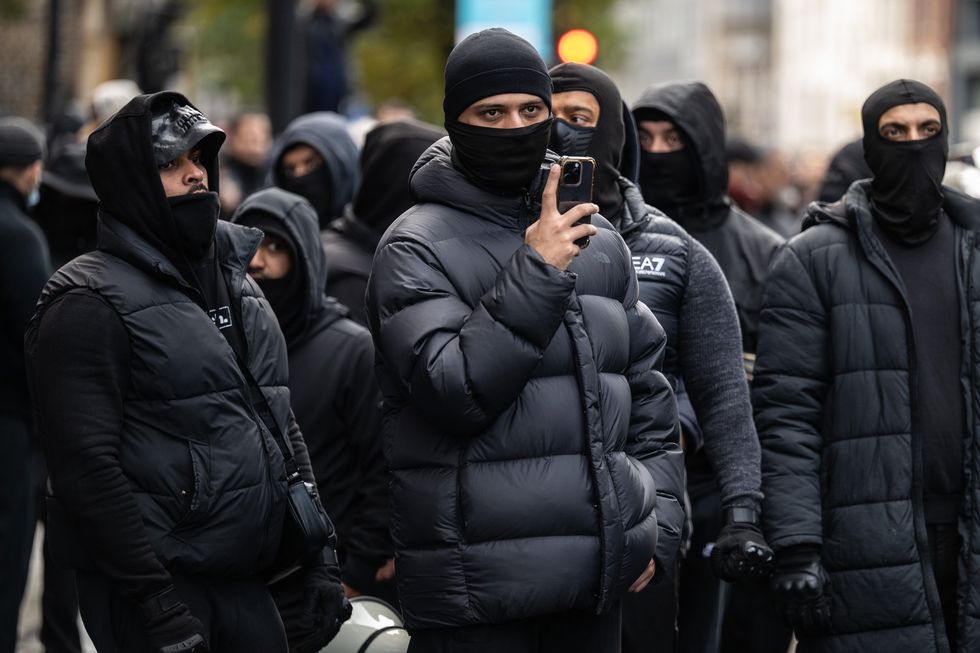
The Shadow Justice Secretary highlighted several other incidents to support his claims, including what he described as “the almost paramilitary display” in Tower Hamlets last October to confront a Ukip protest.
He compared the scene of thousands of men to an “Islamist version of the black shirts that stalked the same streets almost a century ago”.
Mr Jenrick also referenced an incident in West Yorkshire where a senior West Yorkshire Police officer appeared to “hastily” attempt to placate the local Muslim community after “a 14-year-old autistic boy scuffed a copy of the Koran in the school playground”.
“The police felt it necessary to plead with local Islamists in order to protect the boy and his family for fear of what might happen otherwise,” Mr Jenrick wrote in The Telegraph.
The top Tory additionally highlighted the case of a teacher at Batley Grammar School, who remains in hiding following threats after displaying a caricature of the prophet Muhammad during a lesson.
“The reality is the police can no longer sustain their authority in parts of Britain and have to lie to preserve the illusion,” Mr Jenrick stressed.
Our Standards:
The GB News Editorial Charter



Follow