



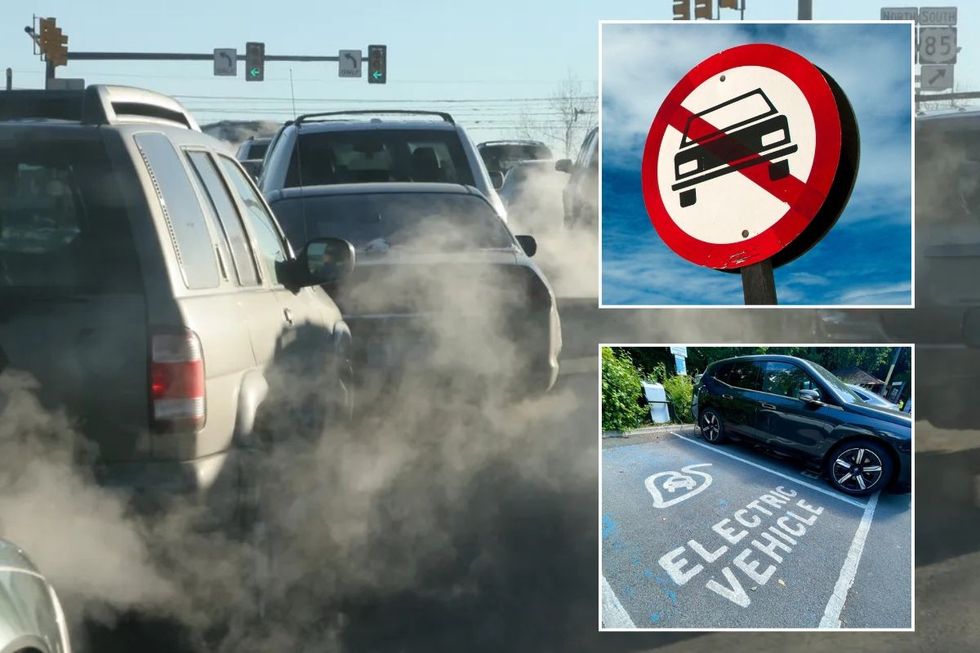
The Conservative Party has pledged to scrap billions of pounds worth of net zero vehicle subsidies if it wins the next general election.
Party leader Kemi Badenoch announced the policy over the weekend, arguing that current net zero targets are damaging the UK’s car industry and placing unfair costs on taxpayers.
Under the plans, the Conservatives would abolish the Zero Emission Vehicle mandate, which forces car manufacturers to sell an increasing number of electric vehicles each year, regardless of consumer demand.
The party would also scrap the planned ban on the sale of new petrol and diesel cars, which is due to come into force in 2030.
Ms Badenoch said removing these policies would save taxpayers around £440million a year, adding up to £3.8billion over the next decade.
She unveiled the plans during a visit to Brands Hatch motor racing circuit in Kent on Monday.
Speaking at the event, Ms Badenoch accused Labour of pushing net zero policies too quickly and without regard for their impact on industry or households. “Labour’s rush to net zero is having a disastrous effect on the UK car industry,” she said.
She insisted the Conservatives remain committed to protecting the environment but said this should not come at the expense of working families or British businesses.
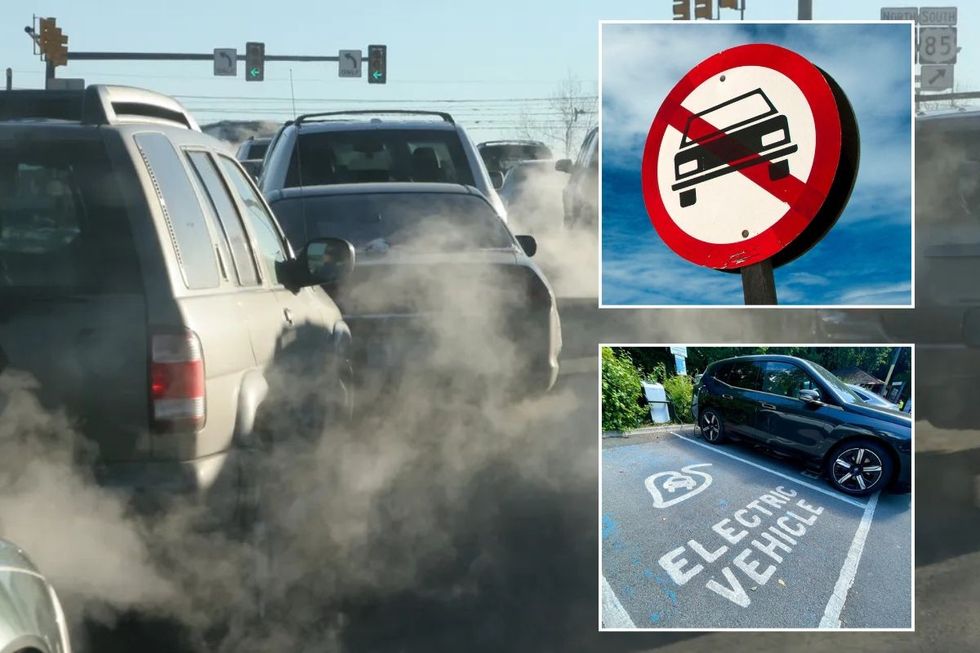
“The Conservatives will protect the environment, but we won’t force families to pick up the bill or force car makers to meet deadlines that don’t match what people actually want to buy,” she said. Ms Badenoch said the changes would bring “fairness and common sense” back to Government policy.
“By scrapping the ZEV mandate and the petrol car ban, we are saving taxpayers’ money and backing British business,” she said. “Britain succeeds when we support innovation and strengthen the economy.”
While many subsidies would be scrapped, the Conservatives said they would not completely abandon support for electric vehicles.
Funding for research and development would remain, and investment in essential charging infrastructure would continue.
LATEST DEVELOPMENTS
- Drivers slapped with another hit as major UK city looks to bring in new parking levy for first time
- DVLA issues urgent warning to drivers amid scams impacting thousands – ‘Stay alert’
- Drivers to see UK roads hit with ‘unprecedented’ levels of traffic as millions travel for Christmas
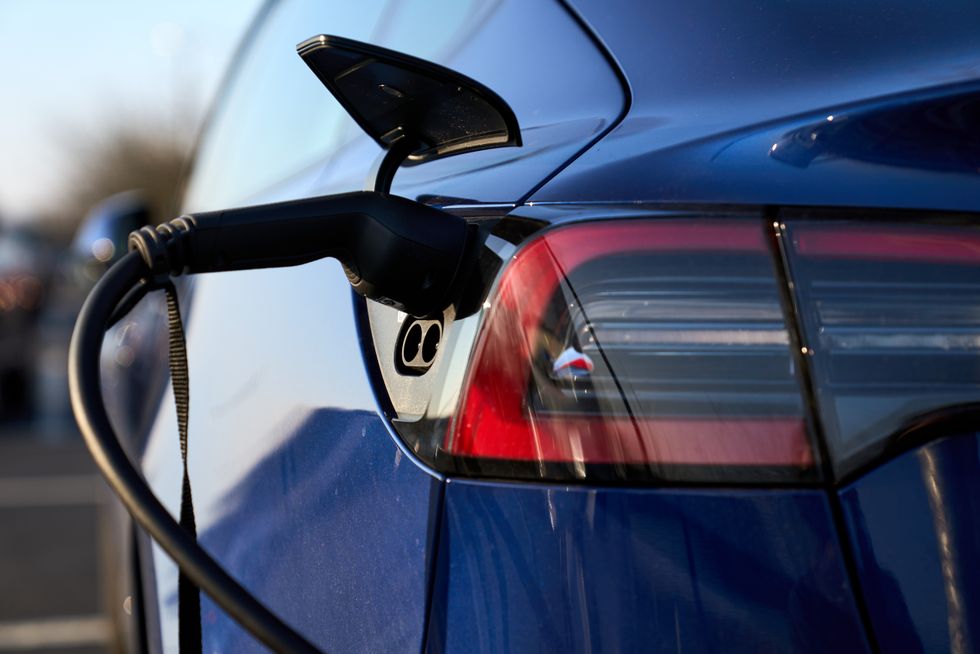
However, several major subsidy schemes would be cut. This includes the Electric Car Grant, which currently offers buyers discounts of up to £3,750 on new electric vehicles priced below £37,000.
Other incentives facing removal include subsidies for charging points and tax breaks that currently benefit high-end electric vehicles.
The party said this approach strikes a balance, keeping essential support while ending what it sees as unnecessary and excessive taxpayer spending.
The announcement comes at a difficult time for the UK’s car industry. Last year, Stellantis closed its Vauxhall factory in Luton, resulting in the loss of 1,100 jobs. The company cited the ZEV mandate as one factor behind the decision. Ford has also cut around 800 jobs in the UK, blaming weak demand for electric vehicles.
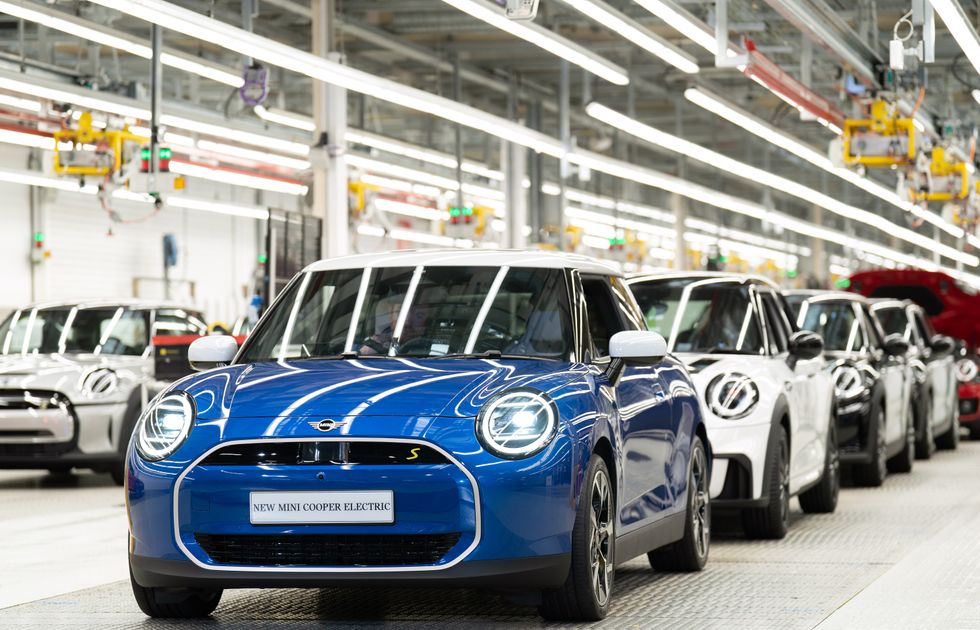
BMW has paused a £600million investment at its Mini plant in Oxford, adding to concerns about the future of car manufacturing in Britain.
These developments highlight the pressure facing manufacturers as they move away from petrol and diesel vehicles while dealing with changing government rules and uncertain consumer demand.
Ms Badenoch’s vehicle policy is part of a wider rethink of environmental policy. Earlier this year, she said the Conservatives would repeal the Climate Change Act and scrap the UK’s legal commitment to reach net zero emissions by 2050.
There are also long-term financial concerns linked to the shift away from petrol and diesel vehicles. The Office for Budget Responsibility has warned that falling fuel duty and vehicle tax revenues could cost the Treasury up to £803billion by 2050. Fuel duty alone is expected to fall by around £15.5billion a year as petrol and diesel cars disappear from UK roads.
Our Standards:
The GB News Editorial Charter



Follow