



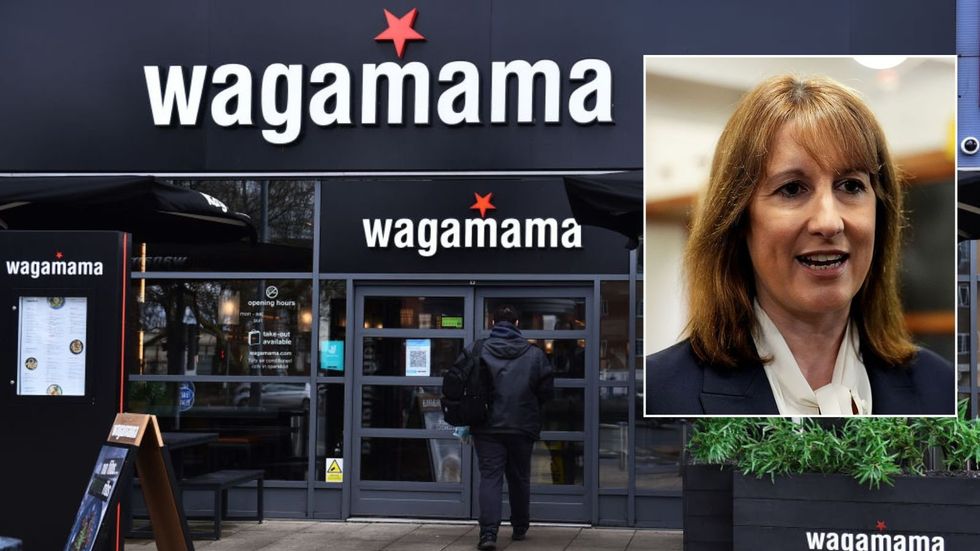
Wagamama is weighing up targeted price rises next year as the restaurant chain grapples with mounting operational expenses.
The Asian-inspired dining group informed investors it was examining “selective price increases” for 2026, according to the Sunday Times.
Staff wages alongside food and beverage expenditure are forecast to climb between four and five per cent over the coming year.
This comes as Rachel Reeves announced another hike of the National Living Wage for workers aged 21 and over by 4.1 per cent to £12.71 per hour.
Additional overheads such as rent, though not energy costs, are anticipated to increase by two to three per cent.
A Wagamama spokesman told the Sunday Times: “We have deliberately avoided major price increases and invested in our customer proposition.”
The company added: “We are seeing improved volumes on the back of this investment and our performance is ahead of the broader dine-in casual dining market.”
The hospitality sector faces a raft of tax and wage pressures heading into the new year.
Employer National Insurance contributions (NICs) rose from 13.8 per cent to 15 per cent following the 2024 Budget, placing significant strain on labour-intensive businesses.
From April, the national minimum wage for workers aged 18 to 20 will jump by 8.5 per cent, reaching £10.85 per hour.
Those aged 16 and 17 will see their hourly rate climb six per cent to £8.
These increases come as hospitality and leisure firms across the country have been compelled to pass on higher costs to customers following what the industry has described as a series of tax raids.
Pub chains have already signalled that drinkers and diners should expect steeper bills in 2026.
Smaller operators face additional concerns over business rates valuations, which are expected to result in substantial bills from April.
The mounting cost pressures have left many in the sector with little choice but to raise prices or cut back operations.
Wagamama joins a growing list of hospitality businesses warning customers to brace for higher bills as the industry navigates one of its most challenging periods in recent memory.
The combination of increased employment taxes, rising wages and elevated operating costs has created what many describe as a perfect storm for restaurants, pubs and leisure venues.
Higher living costs have simultaneously dampened consumer spending power throughout the year, squeezing businesses from both sides as they attempt to maintain profitability.
Several well-known restaurant chains have collapsed or significantly reduced their footprint in recent months.
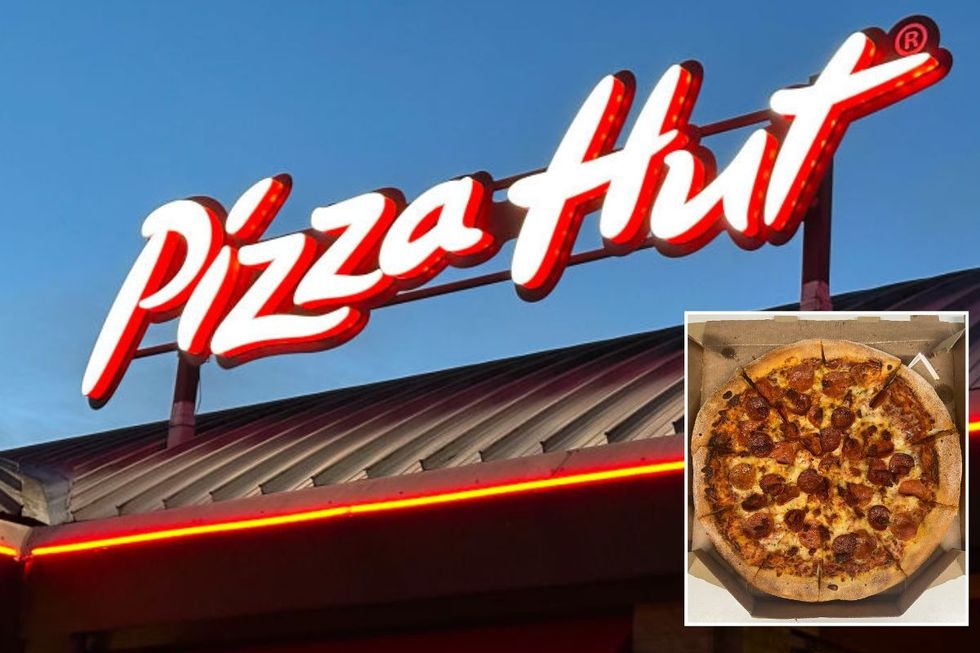
Pizza Hut entered administration in October, shuttering 68 restaurants and 11 delivery locations. Yum! Brands, the American parent company of the global Pizza Hut operation, subsequently acquired the UK business through a pre-pack administration arrangement.
LATEST DEVELOPMENTS
- Labour warned DWP scheme to tackle workplace sickness ‘like emptying the ocean with a teaspoon’
- DWP handed new powers to take money directly from bank accounts in 2026
- Best savings account of the week: Britons could get 7.5% interest rate to kickstart the new year
TGI Fridays narrowly avoided complete collapse after former chief executive Ray Blanchette stepped in to rescue the chain, though 35 sites will still permanently close.
Celebrity chef Gordon Ramsay’s restaurant empire has not escaped the turmoil either. His business announced nearly 200 redundancies after posting a £13.2million loss over the past year.
Rising operational expenses have been the principal driver behind these closures and the wave of price increases across the sector.
Wagamama has sought to attract budget-conscious customers through new value-focused promotions and a loyalty rewards programme.
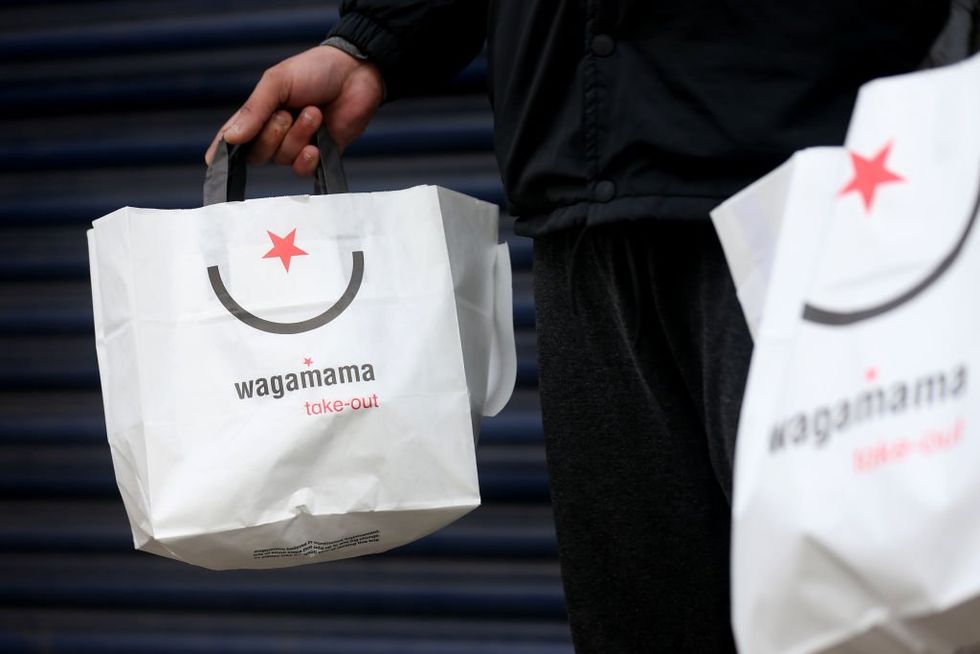
Despite these initiatives, footfall reportedly declined during the first six months of the year.
However, the chain has since seen a recovery, with customer numbers rising by two per cent during the 11 weeks leading up to December 14.
The spokesman said: “We will review our pricing during 2026, remaining firmly focused on providing our customers strong value for money.”
The chain’s performance has outpaced the wider casual dining sector, suggesting its strategy of restraining price rises while investing in customer offerings has helped it weather the storm better than some competitors.
Our Standards:
The GB News Editorial Charter



Follow