



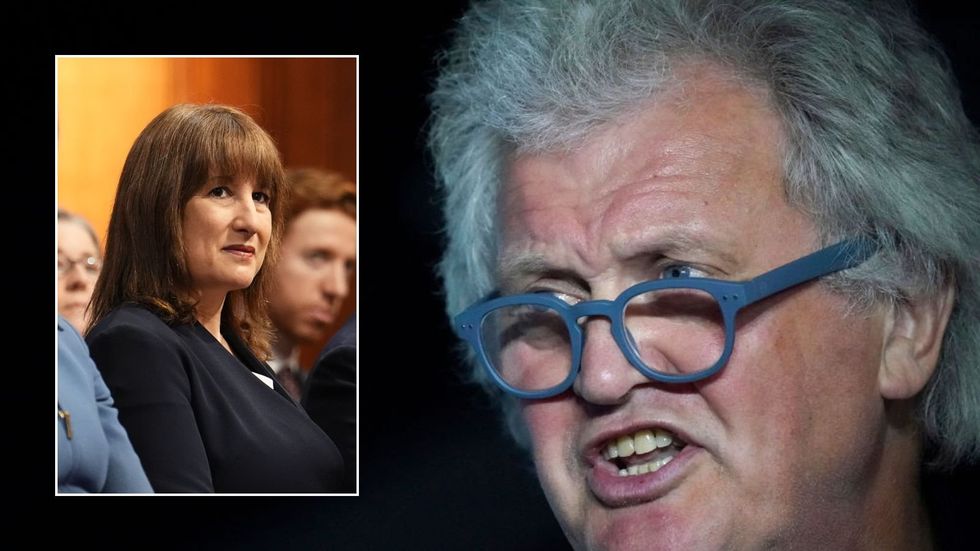
Wetherspoons has issued a profit warning after revealing that costs climbed £45million higher than expected during the opening 25 weeks of its financial year, with company boss Tim Martin blaming Chancellor Rachel Reeves’s fiscal decisions.
The pub operator, which manages approximately 800 venues throughout Britain, attributed the surge to mounting expenses across multiple areas, including staff wages, energy bills, maintenance costs and business rates.
First-half profits are now anticipated to fall below the same period last year, according to the company’s latest trading update. Should current trading patterns persist, the chain expects its full-year performance to come in marginally under the results achieved in the previous financial year.
Despite the cost pressures, the company recorded robust festive trading, with like-for-like sales rising 6.1 per cent across the 12 weeks ending January 18, an improvement on the 4.7 per cent growth seen in the preceding quarter.
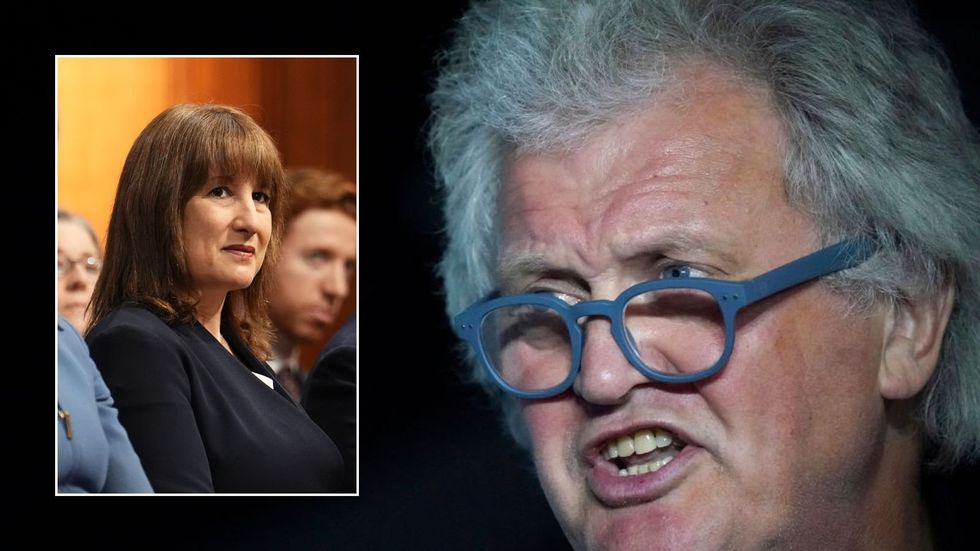
The Christmas period proved particularly strong in a slight boon for the business, with comparable sales surging 8.8 per cent during the three weeks to January 4, 2026.
On the results, Mr Martin said: “Costs have been higher than anticipated, with energy, wages, repairs and business rates, for example, increasing by £45million in the first 25 weeks.”
He added: “If the current sales momentum continues, the company currently anticipates a full year trading outcome slightly below that achieved in the 2024-25 financial year.”
The profit warning arrives as the wider pub industry looks to the Government for relief from escalating business rates burdens. Pubs across the country face higher rates payments following increased property valuations used in tax calculations after the autumn budget.
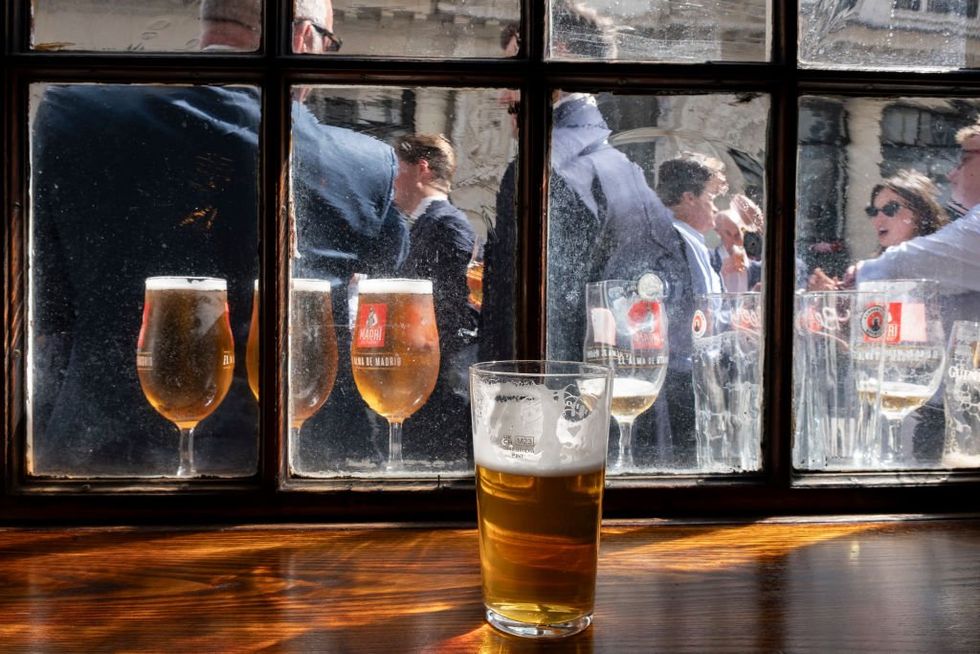
Following significant backlash, the Labour Government is now anticipated to unveil additional financial support for the sector, responding to widespread criticism over the impending rates rises.
Under the Chancellor’s reforms, business rates will be “permanently” lowered for retail, hospitality and leisure properties from 2026, but many businesses may still see higher bills overall because property valuations have risen since the pandemic.
At the same time, the National Living Wage will rise again from April 2026, lifting pay for workers aged 21 and over and delivering a boost to annual earnings for the lowest-paid.
Taken together, the measures raise household incomes but also increase costs for employers, particularly on the high street, leaving some businesses squeezed between higher wages and still-hefty fixed taxes.
Industry figures have been pressing ministers for intervention, with hopes mounting that an assistance package could be announced imminently to help offset the financial strain facing hospitality businesses.
The Chancellor has signaled relief for pubs is on the way, however, the Government has yet to outline the specifics of what a likely support package will look like for publicans.
In reaction to these reports, the British Bar and Pub Association stated: “News that the government is going to look again at business rates increases is potentially a huge win for pubs across the country and shows Government have not only listened to our concerns but acted.
“This could save locals, jobs, and means publicans can breathe a huge sigh of relief. The BBPA has worked closely with ministers on a pub specific solution that would ensure that bills are reduced in line with the government’s previous promises to pubs.We now keenly await to see the detail of the upcoming announcement.”
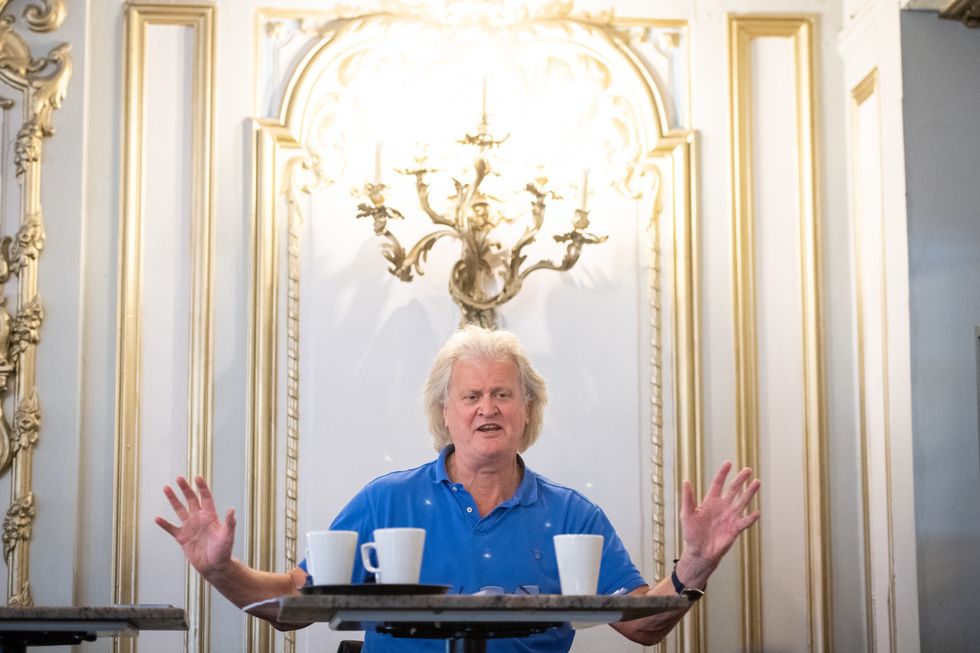
Outside of pubs, other business leaders are calling for similar relief to be introduced to prop up their respective sectors, including those working within hospitality and catering.
The Holiday and Residential Parks Association (HARPA) is urging the government to include its sector in the expected reversal on rises to business rate bills being faced by pubs.
HARPA director-general Debbie Walker, said: “Any increased business rates relief should not just apply to pubs, but to the whole hospitality and tourism sector, which continues to face sustained financial pressures. A piecemeal approach could risk leaving some parts of the visitor economy struggling with rising costs.
“The UK holiday parks sector is a major yet often overlooked part of the domestic tourism industry. It generates £12.2billion in visitor expenditure, contributes £7.2billion in Gross Value Added (GVA) to the UK economy, and supports 226,745 full-time jobs, predominantly in rural and coastal communities.”
Our Standards: The GB News Editorial Charter



Follow