



Anchal Vohra is a Brussels-based international affairs commentator.
On a smog-filled day in New Delhi, I watched as a few German cars struggled to navigate a massive traffic jam. A British SUV was also in the mix, trailing not so far behind.
Last year, these foreign cars accounted for only 0.1 percent of India’s imports, with Germans in the lead and the British coming in a near second. However, British businesses have gained an edge ever since the U.K. and India inked a free trade agreement earlier this year, with India finally lowering its protectionist guard.
Once this deal fully comes into effect, overall bilateral business is expected to grow by more than 50 percent in about a decade-and-a-half, as New Delhi slashes its car tariffs from 100 percent to 10 percent, and its tariffs on scotch from 150 percent to 40 percent over a period of 10 years — all despite the cost to its domestic industries.
It also gains particular advantage for its textile sector, which was hard hit by U.S. President Donald Trump’s 50-percent tariff, removing tariffs on Indian textiles exported to the U.K.
The EU, meanwhile, remains the single largest market in the world, with a much higher chance of growing its exports to a country packed with over 1.46 billion consumers. Yet, negotiations between New Delhi and Brussels are forever hitting roadblocks, even as negotiators shuttle between the two capitals to get a deal across the finish line — a deadline that’s now been postponed to Jan. 26.
And as these talks continue, the bloc could stand to learn from the flexibility of its former member.
According to an Indian official in New Delhi, granted anonymity in order to speak freely, the biggest barriers to an agreement are currently the EU’s insistence on greater market access in the politically sensitive agriculture sector, and its insistence on a carbon tax under the Carbon Border Adjustment Mechanism (CBAM).
On top of all this, the bloc’s protectionist tendencies — displayed by its higher tariffs on steel and its recent decision to curb rice imports from India — are also unexpected hurdles.
In contrast to this rigidity, India’s concessions in its deal with the U.K. emerged from the flexibility it was granted in the agriculture sector, which was largely insulated from British products, the official said. “For all its faults, [the U.K.] understands India and Indians better.”
Nearly half of Indians depend on agriculture for their livelihood, and farmers make up a strong voting bloc that holds strong political clout. Back in 2021, farmer protests even forced Prime Minister Narendra Modi to withdraw agricultural reforms and apologize.
In fact, I have been told by former Indian officials and experts that the U.S. tariffs on India weren’t punishment for the country’s purchase of Russian oil, as Trump has claimed, but rather for its refusal to let U.S. food products flood the country.
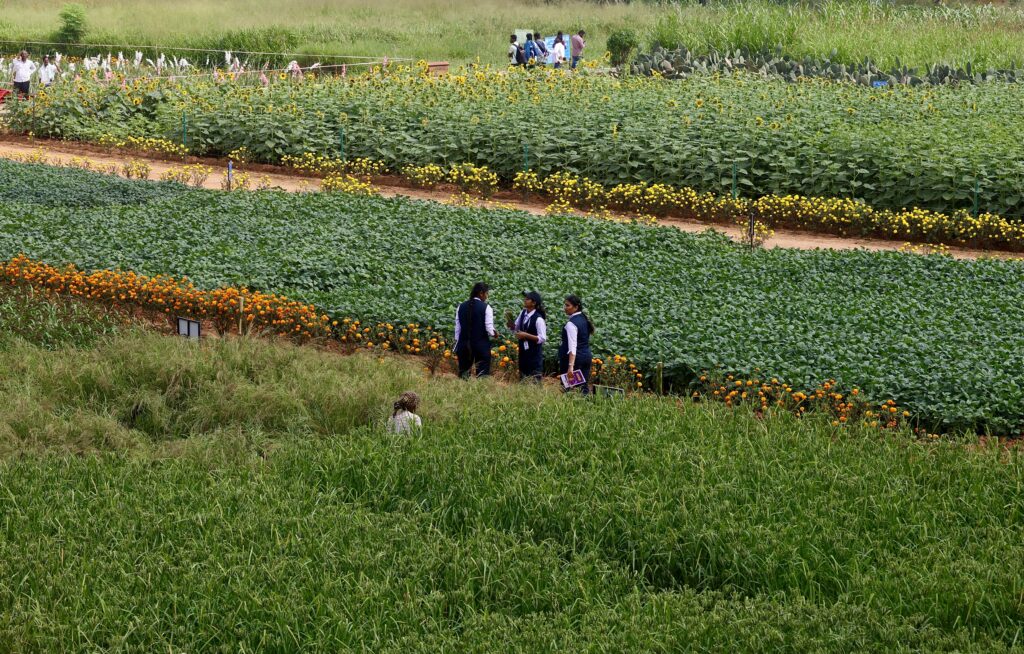
“The interests of our farmers are top priority. India will never compromise on the interests of its farmers, dairy farmers and fishermen,” Modi had said at the time.
But these same differences now threaten the EU-India relationship before it even properly takes off.
“The Europeans could learn from the British,” the Indian official noted. “They excluded dairy, chicken and apples from the deal,” he explained, listing products particularly important to India. “In exchange, we let them bring in salmon, cod and lamb.” He also alluded that India could consider dropping tariffs on cars and wine if the bloc kept out of agriculture: “In liquor, luxury cars and wine, there is always room, since that doesn’t affect our most vulnerable people.”
Instead of any such changes,, however, India is now growing peeved by what it sees as last-minute pressure tactics by Brussels.
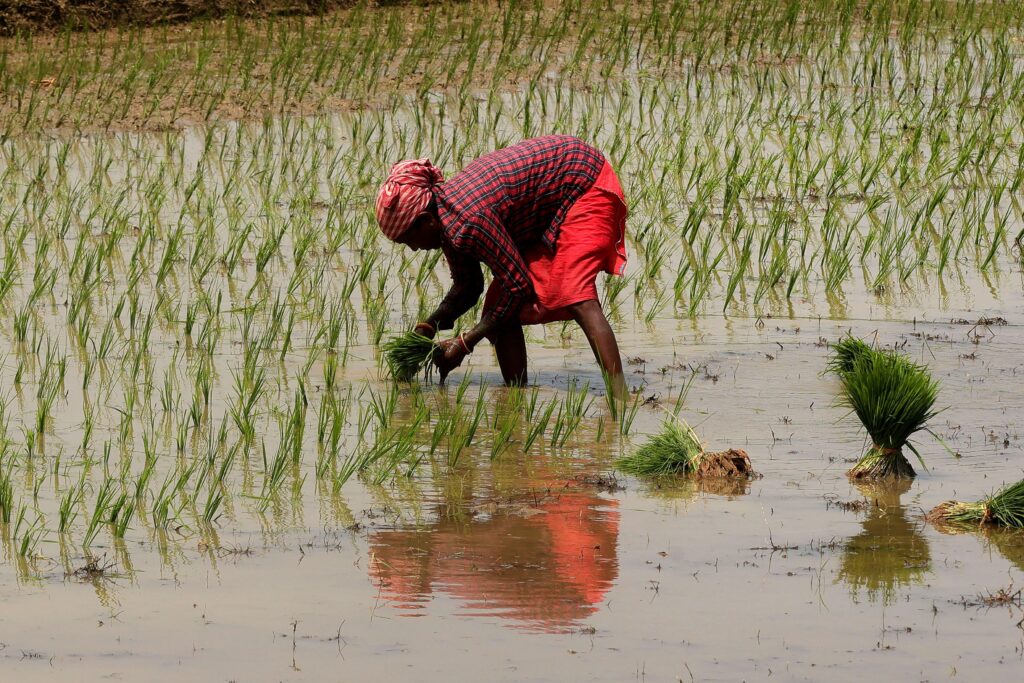
Just this month, the EU decided to “limit rice imports from India” and other Asian countries to the benefit of domestic rice growers and millers. And the bloc’s unexpected decision to spike tariffs on steel imports outside its quota to up to 50 percent has rattled Indian negotiators.
New Delhi was already opposed to the EU’s incoming carbon tax, believing it would make its steel exports uncompetitive. The Secretary of India’s Ministry of Steel Sandeep Poundrik described the European carbon tax as a bigger threat to Indian exports than Trump’s tariffs.
Moreover, some experts like former trade negotiator for India Sangeeta Godbole argue the EU stands to gain more from an FTA whereas India stands to lose if the carbon tax provision isn’t reconsidered. “Nearly 80 percent of Indian exports to the EU even now face miniscule tariffs below 1 percent,” she noted recently, demanding India shield exports “from excessive environmental rules” the EU is trying to impose.
To that end, the country has decried the bloc’s tax on carbon intensive imports via CBAM as a violation of the Common But Differentiated Responsibilities (CBDR) principle, which doesn’t hold developing countries equally responsible for climate change due to differences in historical contributions and the state of their economic development.
And here, too, India argues, the understanding with the British could be emulated. Although it failed to gain an exemption on the U.K.’s version of the carbon tax, India has reserved the right to retaliate if the FTA’s benefits are negated by this tax.
For its part, the EU claims the carbon tax is intended to encourage the use of clean energy in heavy polluting industries. And as Commissioner for Trade Maroš Šefčovič said back in September: “We also need an understanding from the Indian side that we also have our constituency, we also have our audience” to consider — especially after the farmer protests over the recent deal with Mercosur nations.
Meanwhile, the EU is also concerned about whether a deal with India might end up benefiting China. The bloc is desperately trying to reduce its dependence on Beijing in strategically important sectors and hoping India could replace it, but India itself is heavily reliant on China as well — for example, nearly half of the components in Indian semiconductors are imported from there.
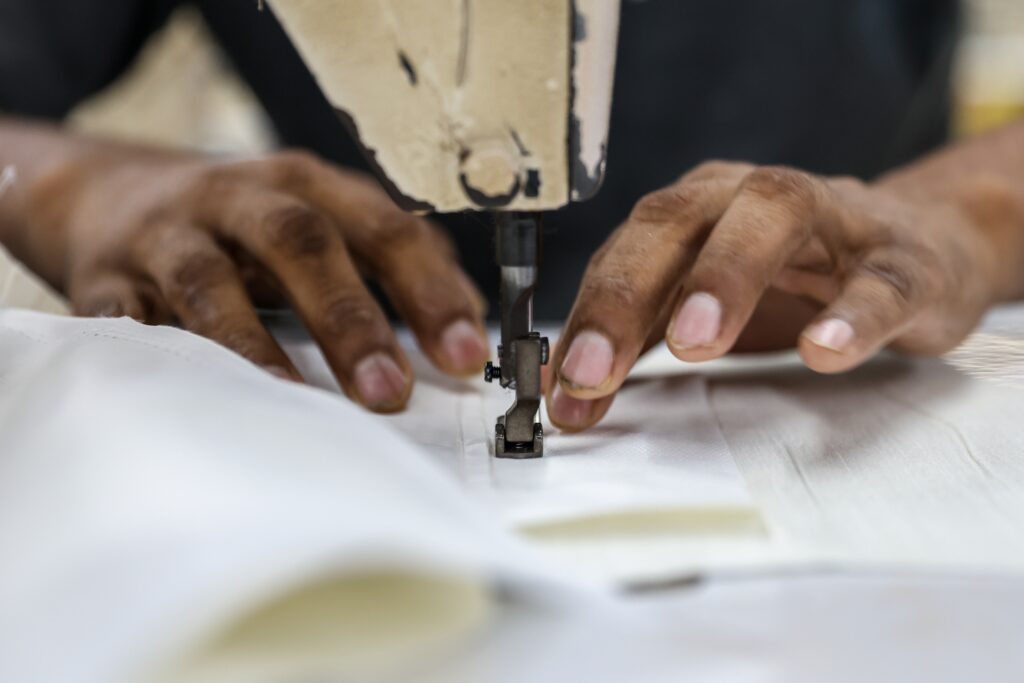
However, speaking with a highly placed EU insider who was granted anonymity, I learned the bloc is now ready to make concessions, offering to jointly manufacture cars to encourage India to lower its tariffs, to leave out access to certain agricultural products, and to possibly even relent on garment duties. And last week, negotiators went through sector by sector once more, trying to get a better deal for their domestic industries, trying to keep the balance sheet even.
The truth is, India — home to a large number of people living below the poverty line despite its rapid economic growth — needs an FTA with the single largest market to attract foreign investment.
But the EU needs India too.



Follow