



LONDON — British businesses that have plowed millions into border control facilities are demanding compensation from the U.K. government over its Brexit “reset” deal with the European Union.
Since the U.K. left the bloc, dozens of firms importing plants and fresh produce from the continent have invested in purpose-built inspection facilities, known as “control points,” in an attempt to reduce the border friction and costs associated with EU trade.
By developing in-house facilities, businesses had hoped to bypass the expense and disruption that had plagued larger border control posts, like the government’s Sevington site in Kent.
But as the U.K. and EU negotiate a sanitary and phytosanitary (SPS) deal — which is expected to remove the need for most border checks on food imported from the bloc — business owners now fear these facilities will be rendered redundant.
Nigel Jenney, CEO of the Fresh Produce Consortium, said several members had spent “anything from a few hundred thousand to several millions” on control points to accommodate checks on imports of fresh fruit and vegetables and cut flowers.
“In good faith, the industry proactively responded to the requests of government; and now it’s been hung out to dry, costing modest family businesses huge amounts of money,” Jenney added.
‘Bittersweet’ deal
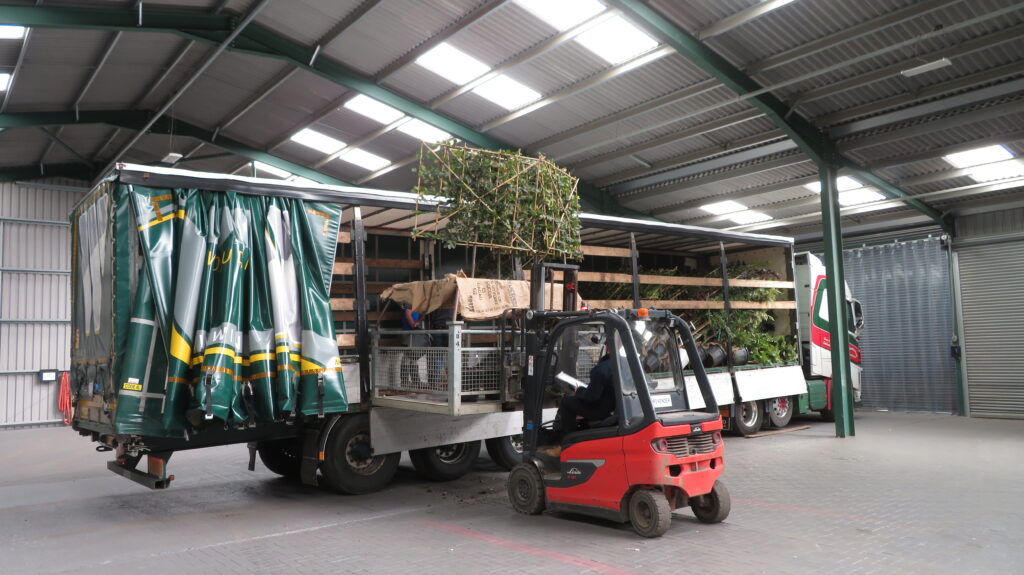
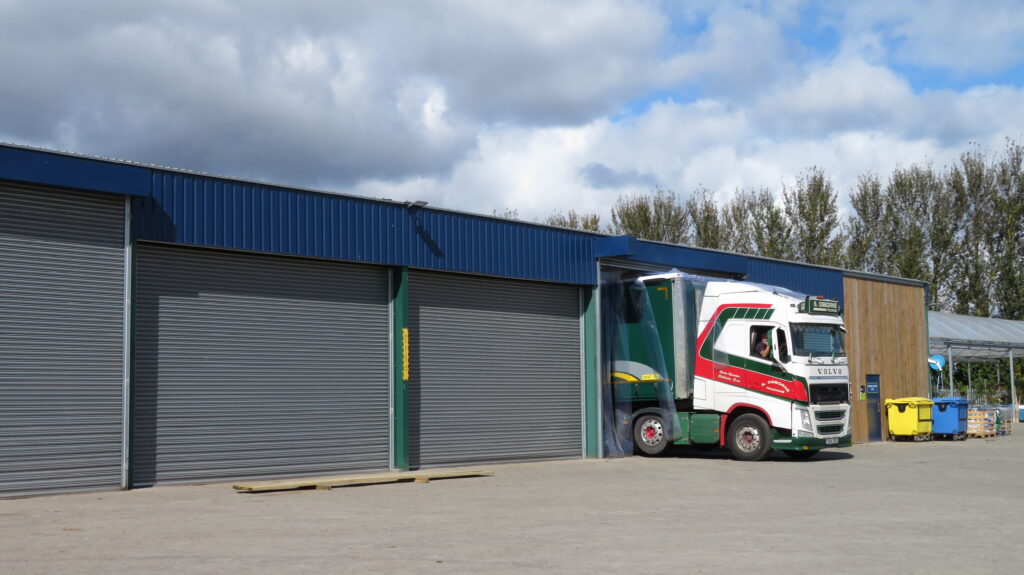
Provender Nurseries, a wholesaler of plants and plant products that imports 80 percent of its stock from the EU, is one of many firms in this predicament. In 2024, it splashed out around £250,000 to convert a large general-purpose barn into a control point, the culmination of three years of paperwork.
Speaking to POLITICO on site in Swanley, Kent, where workers were busy unloading a shipment of trees from Italy ready for inspection, Provender’s site operations manager Stuart Tickner said the prospect of an SPS deal was “bittersweet” for the business.
“I fully support and back up the SPS agreement,” Tickner said, pointing out that it would decrease border friction with the EU. “But at the same time, we’ve spent a lot of time, money and effort to achieve it [the control point]. So it’s gutting that it’s got to go.”
Investment in the control point has also restricted the business’s ability to grow, he claims.
“We’ve pumped so much money into it [the control point] that the directors are reluctant to invest in more at the moment,” Tickner added.
A U.K. government spokesperson said: “We are focused on delivering a food and drink deal that could add up to £5.1 billion a year to our economy, supporting British producers and businesses, backing British jobs, and putting more money in people’s pockets.”
“With negotiations ongoing, our aim is to reduce regulatory barriers, slash costs, and cut red tape for businesses, while maintaining the UK’s high biosecurity standards.”
Calls for compensation
Shortly after the U.K. and EU announced plans for an SPS deal last May, Tickner and two other horticultural businesses wrote to former Farming Minister Daniel Zeichner asking for a meeting on the issue of compensation for control points.
In their letter, shared with POLITICO, the businesses warned of “significant knock-on effects” for businesses like theirs that have invested in control points.
“This process involved not only major capital expenditure, but also serious operational impacts, including staffing adjustments, the implementation of import software and compliance systems, and long-term contractual commitments,” they said.
“Importantly, the building of these control points also caused substantial disruption to our day-to-day operations,” they added. “Many of us had to redesign or repurpose areas of our business premises, manage construction activity around ongoing operations, and absorb the associated delays and interruptions to normal business.”
Neither Zeichner nor his successor, Angela Eagle, responded to the letter or follow-up messages sent by Tickner.
These are just the latest calls for compensation for potentially redundant Brexit border facilities. Last year, POLITICO reported that the British taxpayer had spent more than £700 million on border control posts, which may no longer be needed once the SPS deal comes into effect.
That’s not counting the £120 million that British ports themselves splashed out on specialist facilities. Ports are also demanding compensation from the government.
While Tickner and his colleagues have managed to make good use of their control point since the introduction of checks on imported plants from the EU in April 2024, other businesses with control points have been less fortunate.
In June last year, the government announced that it would scrap checks on fruit and vegetables in anticipation of the SPS deal, meaning many of these facilities are underused. More recently, the government announced that it would reduce inspection rates for four popular varieties of cut flowers imported from the EU.
“The government is constantly changing its mind. I’ve lost count of the amount of U-turns,” Fresh Produce Consortium CEO Jenney said, the exasperation clear in his voice.
“We have secured confirmation of a low-risk position for fruit and vegetables and most cut flowers from Europe. But that’s after the industry has spent a small fortune doing what the government wanted us to do. There is now no likelihood of future income because the reset would appear to remove that requirement.”
Pilot scheme scrapped
To make matters more difficult for these businesses, the Department for Environment, Food and Rural Affairs last year cancelled the rollout of an “Authorised Operator Scheme,” which would have allowed businesses to carry out their own checks on imports, following a pilot.
Firms running control points must instead rely on government inspectors to check imports, who only work certain hours of the week, defeating a key purpose of control points.
“Government gave businesses a clear message and advice that for those importing perishable and sensitive goods at scale, investing in control points to then have the chance to achieve Authorised Operator Status was the best option to control your supply chains and give critical certainty,” said Jennifer Pheasey, director of policy and public affairs at the Horticultural Trades Association.
By canning the Authorised Operator Scheme scheme and agreeing to an SPS deal, control points “cannot deliver real returns and will be underutilized,” she added.
HTA is now joining calls for government support for businesses that have invested in control points to help them mitigate and repurpose.
Like plant importers, Jenney would also like to see his members compensated for their investment in control points.
“We’d love to see businesses compensated for the losses they’ve incurred through no fault of their own — but we also accept that the government might find that difficult. What there does need to be is a genuine awareness of the cost burden that they’ve placed on industry and to make sure it never, ever happens again.”



Follow