



Higher tobacco prices and airfares have pushed the UK inflation rate to 3.4% in the year to December, according to official figures.
The increase in average prices across the UK economy – the first in five months – was just above expectations, with many economists predicting only a slight uptick to 3.3%.
The cost of airfares was a contributor “likely because of the timing of return flights over the Christmas and New Year period”, the Office for National Statistics (ONS) said. It also reflected an increase in tobacco duty introduced in late November.
It is the last set of monthly inflation figures released before the Bank of England’s decision on interest rates in February.
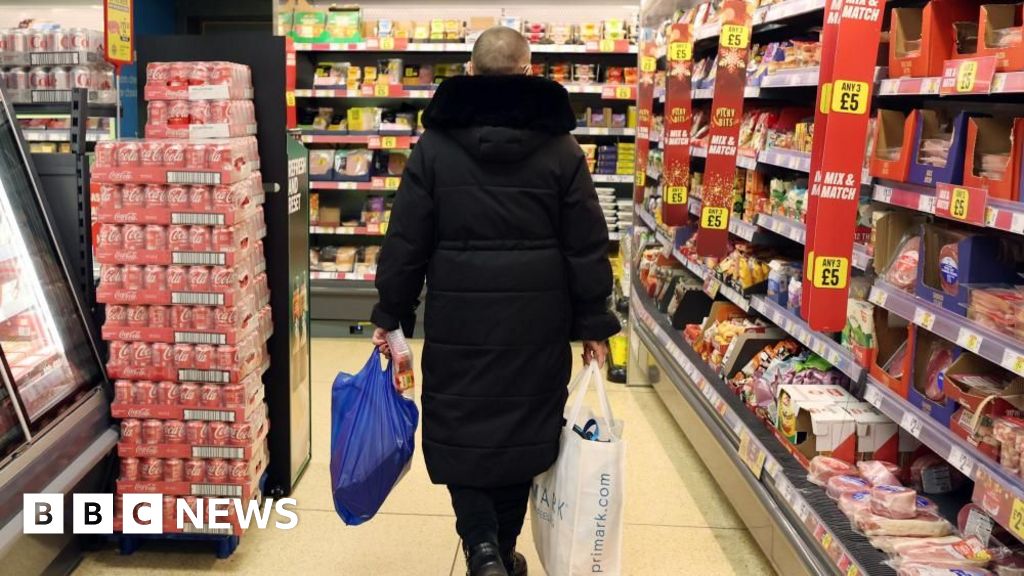
In addition to tobacco and transport prices, “rising food costs, particularly for bread and cereals, were also an upward driver,” said ONS chief economist Grant Fitzner.
“These were partially offset by a fall in rents inflation and lower prices for a range of recreational and cultural purchases.”
In response to the figures, Chancellor Rachel Reeves said her priority was cutting the cost of living, citing measures in her November Budget including a freeze to rail fares and prescription charges.
“Money off bills and into the pockets of working people is my choice.
“There’s more to do, but this is the year that Britain turns a corner,” Reeves said.
Shadow chancellor Mel Stride blamed the rise on what he called the government’s “economic mismanagement”.
He said: “A record-high tax burden and irresponsible borrowing are stifling growth and fuelling inflation – leaving working people worse off.”
Inflation in the UK is a measure of the Consumer Prices Index, which is a virtual basket of hundreds of everyday goods and services selected by the ONS that includes things like bread, fruit, furniture and different items of clothing.
The prices of these items are tracked by the ONS over the previous 12 months, and the basket is regularly updated to reflect shopping trends.
Transport prices rose by 4% in the 12 months to December, the figures show.
The ONS said the largest upward driver was from airfares, which rose by a larger amount compared to the previous December.
Part of this was down to timing – last December flight prices were recorded on Christmas Eve and New Year’s Eve. This year they were recorded on 23 and 30 December.
There was a 4.5% rise in the prices of food and non-alcoholic drinks in the year to December, with bread and cereals and vegetables affecting the overall upward change.
Compared to European neighbours, December’s inflation rate in the UK was higher.
Inflation in Germany was 2% in the year to December – it has been a year since UK inflation has been below that of Germany’s. In France, the rate was 0.7%.



Follow