



There are several Royal and Noble Exhibitions opening this month! A major new exhibition has opened this week at Madrid’s Galería de las Colecciones Reales, shining an unprecedented spotlight on Queen Victoria Eugenie of Spain. Titled “Victoria Eugenia,” the exhibition is the first monographic show ever dedicated to a Spanish queen, organized by Patrimonio Nacional, and will be on view from December 3rd until April 5th, 2026.


Bringing together more than 350 objects, the exhibition presents the most comprehensive look to date at the life and legacy of the British-born queen who helped modernize the role of Spain’s royal consorts. Many of the exhibits come directly from the Royal Collections, alongside significant loans from institutions such as the Museo del Prado, the Museo Sorolla, the Carmen Thyssen Collection, the Museu Nacional d’Art de Catalunya, the Royal Collection Trust, and the National Portrait Gallery, as well as private collections in Spain and abroad.

Organized into eight thematic sections, the exhibition traces Victoria Eugenie’s life from her childhood in England through her courtship and marriage to King Alfonso XIII, including the tragic attack on their wedding day. It explores her personal tastes, her approach to motherhood, her public role supporting the monarchy, and her substantial engagement in social causes, culminating in her departure from Spain and her years in exile. Together, these chapters offer a human and historical portrait of a queen whose life bridged cultures, dynasties and eras of profound political change.


The exhibition begins with Victoria Eugenie’s childhood as the granddaughter of Queen Victoria, born at Balmoral in 1887 and raised within the structured world of the English court. Known as “Ena” to her family, she grew up between Windsor, Balmoral, Buckingham Palace and Osborne House, until the deaths of her father in 1896 and Queen Victoria in 1901 brought her and her mother, Princess Beatrice, to Kensington Palace. Her debut at court in 1905 marked the beginning of the young princess’s life in London society.


A second section explores her arrival in Spain and the marriage to Alfonso XIII in 1906, a ceremony remembered as much for its splendour as for the tragic bombing on Calle Mayor. The exhibition presents the contrast between the magnificence of the wedding procession and the chaos unleashed by the anarchist Mateo Morral’s attack, which left dozens dead but spared the king and his queen.


Victoria Eugenie’s wedding gifts, displayed in both England and Spain, reflected the scale of the union. From jewels, lace and portraits offered by British aristocrats to Alfonso XIII’s personal gifts—including Queen Isabella II’s ermine mantle, reception gowns and important jewellery—the selection in the exhibition highlights the political and cultural significance of the marriage.

Among the personal treasures presented in the exhibition, the stand-out is the Fleur-de-Lys Tiara, the wedding gift Alfonso XIII commissioned for his bride. Created by Ansorena, the tiara became Victoria Eugenia’s most emblematic jewel and is today the main “joya de pasar” reserved exclusively for Spain’s queens. Its presence in the exhibition not only underlines its historical and dynastic importance, but also illustrates how this piece has become a visual symbol of the modern Spanish monarchy.


A recreation of Victoria Eugenie’s private apartments in the Royal Palace reveals the intimate side of her life. Decorated in soft silks and filled with books, music, porcelain and family photographs, these rooms reflect her English customs and personal tastes. Objects such as her embroidered deshabillé evoke the domestic rituals—afternoon tea, reading, music—that shaped her daily world behind court protocol.


As one of the most photographed royal women of her generation, Victoria Eugenie’s public image evolved alongside early twentieth-century photography. The exhibition includes portraits by Franzen and Kaulak. Works by Bertram Park and Vandyk from her London visits reinforce the elegance and poise that made her an ideal subject of the era’s visual language.


A section devoted to her role as mother highlights both joy and sorrow. Victoria Eugenie gave birth to seven children and took a close interest in their education, overseeing a light-filled nursery connected to the royal apartments. Yet her sons Alfonso and Gonzalo were diagnosed with hemophilia, while Jaime suffered hearing loss—realities that weighed heavily on the queen. Summertime at La Granja and later at the Palacio de La Magdalena provided the family with a sense of freedom and normality.


Paintings and sculpture depict how leading artists interpreted Victoria Eugenie throughout her life. Sorolla and Ricard Canals captured her with modern freshness, while Philip de László, Bernhard Österman and Menéndez Pidal offered more formal visions that aligned her with the great royal portrait tradition. Benlliure’s busts remain among the finest evocations of her dignity and presence.


The exhibition also examines her public commitments, from her honorary colonelcy of the 22nd Cavalry Regiment to her constant participation in inaugurations and national celebrations. Her most lasting contribution, however, was her humanitarian work. The queen devoted herself to health and welfare causes, closely collaborating with Ladies’ Committees and figures such as the Duchess of la Victoria. Her efforts led to honours including the Grand Cross of Beneficence in 1910 and the Golden Rose in 1923.


The final section follows Victoria Eugenie into exile after 1931, between Paris, London, and Rome as she remained close to her growing family. After Alfonso XIII’s death in 1941 she settled permanently in Lausanne, where she lived until her death in 1969. Her brief return to Spain in 1968 for the baptism of King Felipe VI marked a poignant reconciliation with the country she had once served as queen; in 1985 her remains were transferred to El Escorial.
This article was written by assistant editor, David Rato, who runs the Spanish Royal Jewels account on Instagram!

Fleur-de-Lys Tiara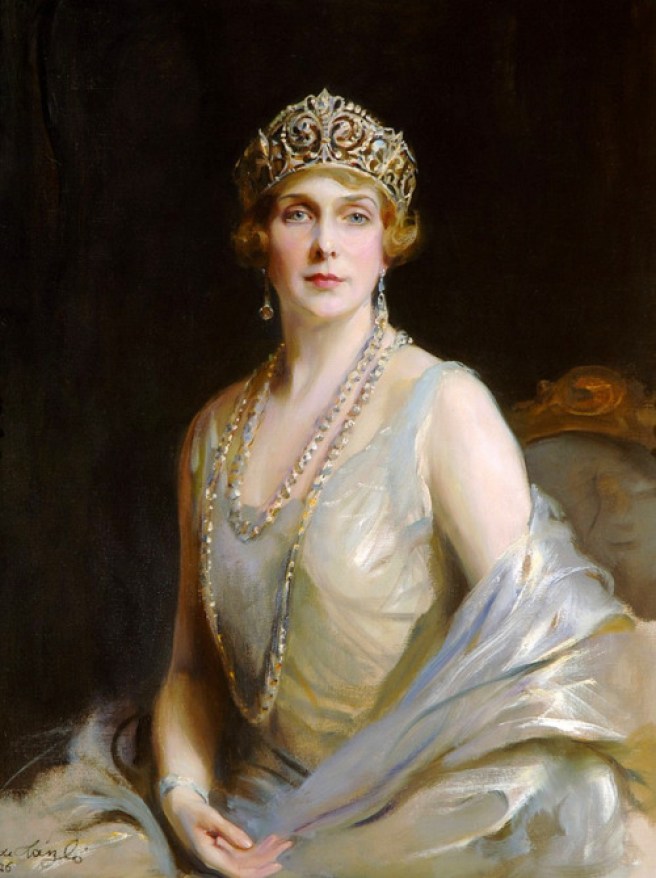
Chaumet Tiara
Cartier Pearl Tiara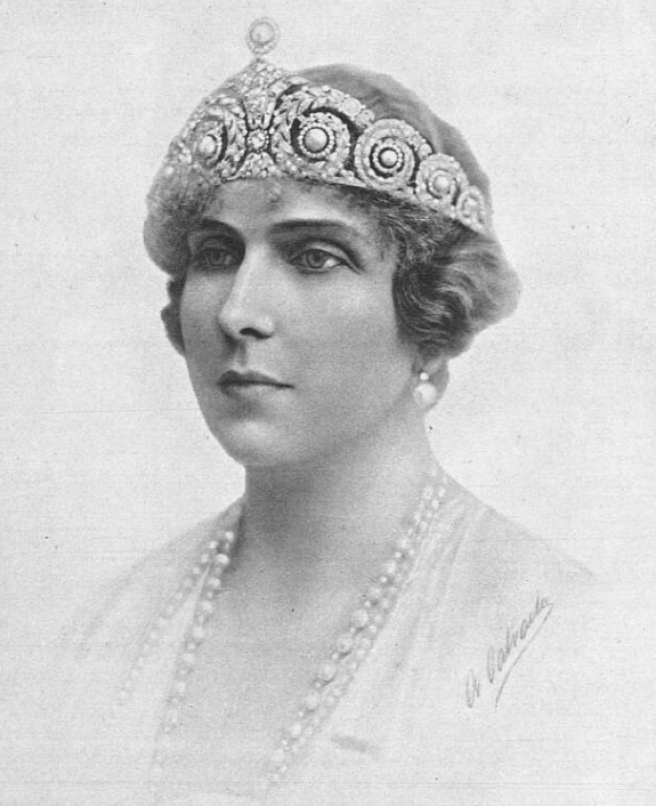
Mellerio Shell Tiara
Empress Eugenie’s Emeralds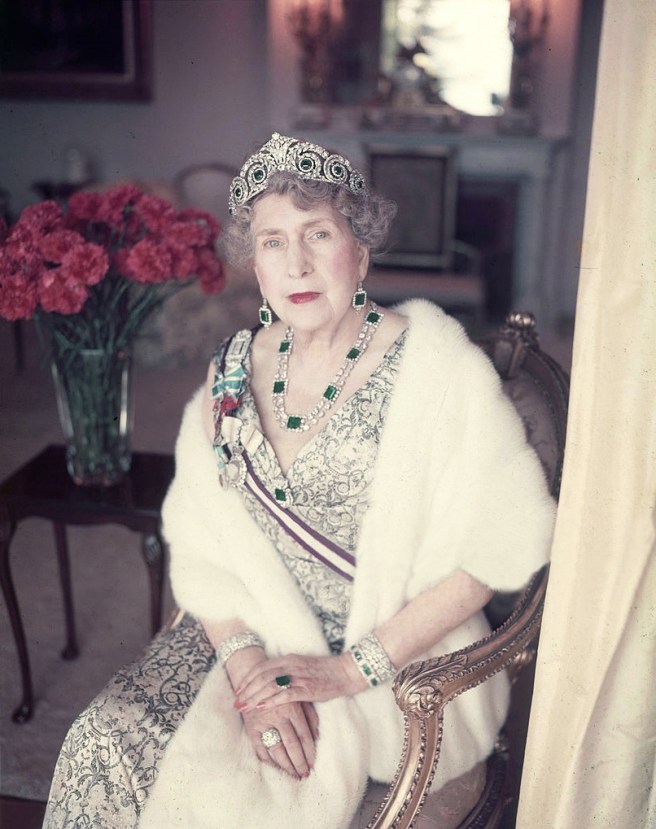
Aquamarine Parure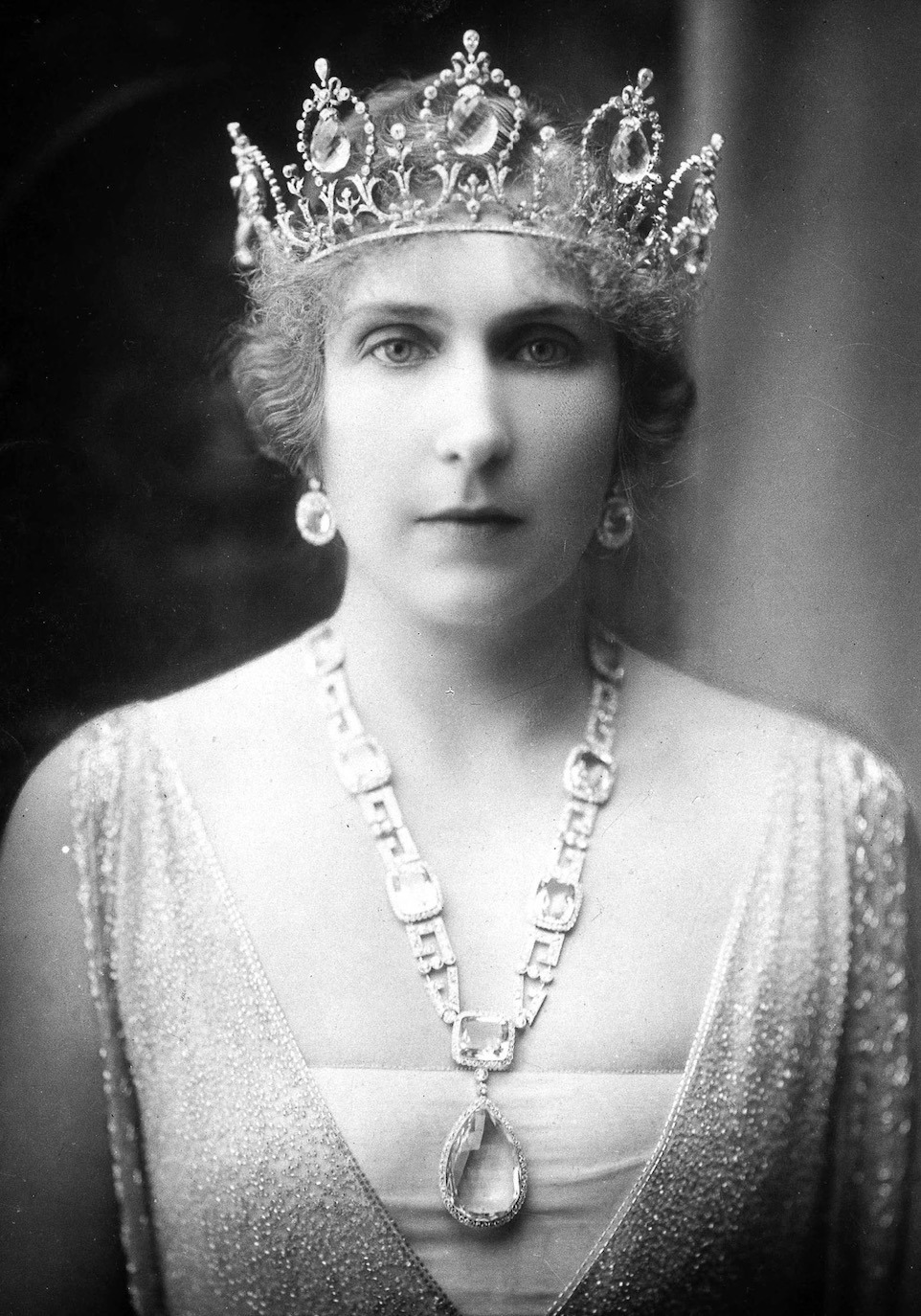
Turquoise Tiara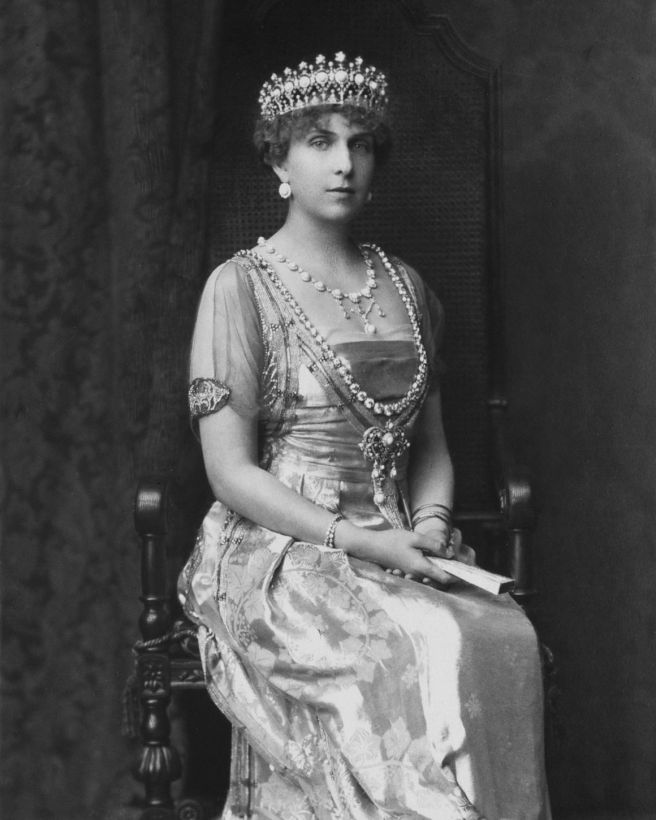
Queen Victoria’s Strawberry Leaf Tiara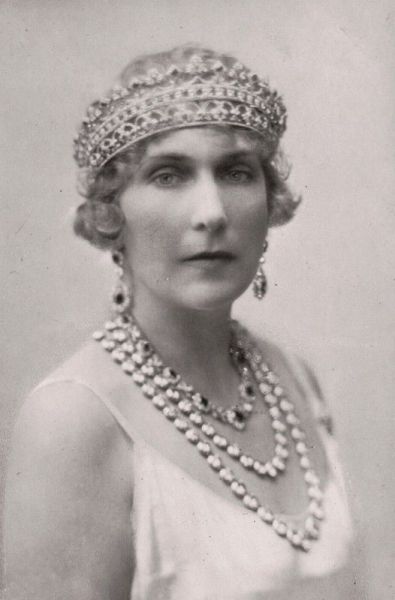
Cartier Diamond Bandeau
Joyas de Pasar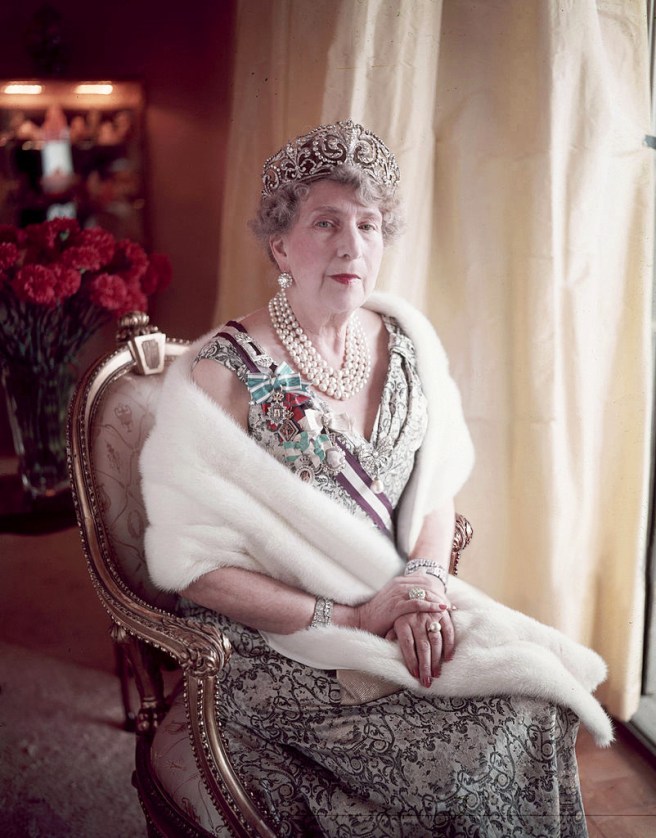
Diamond Rivière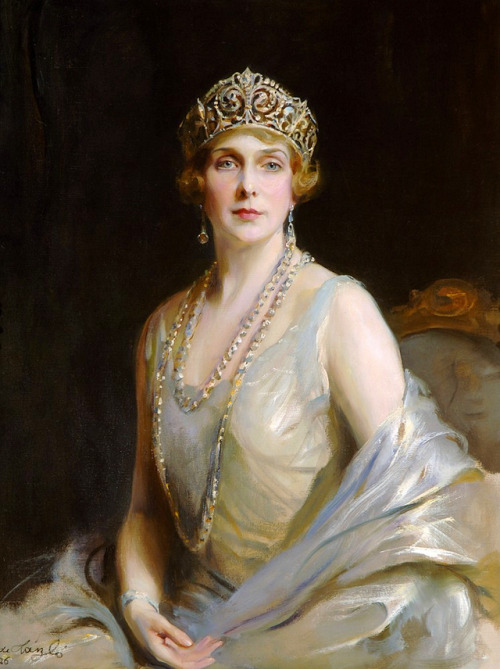
Diamond Earrings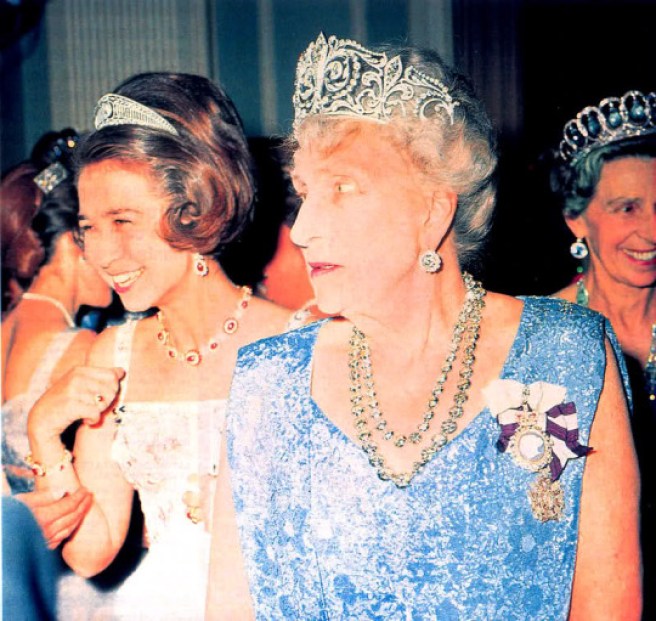
Diamond Bracelets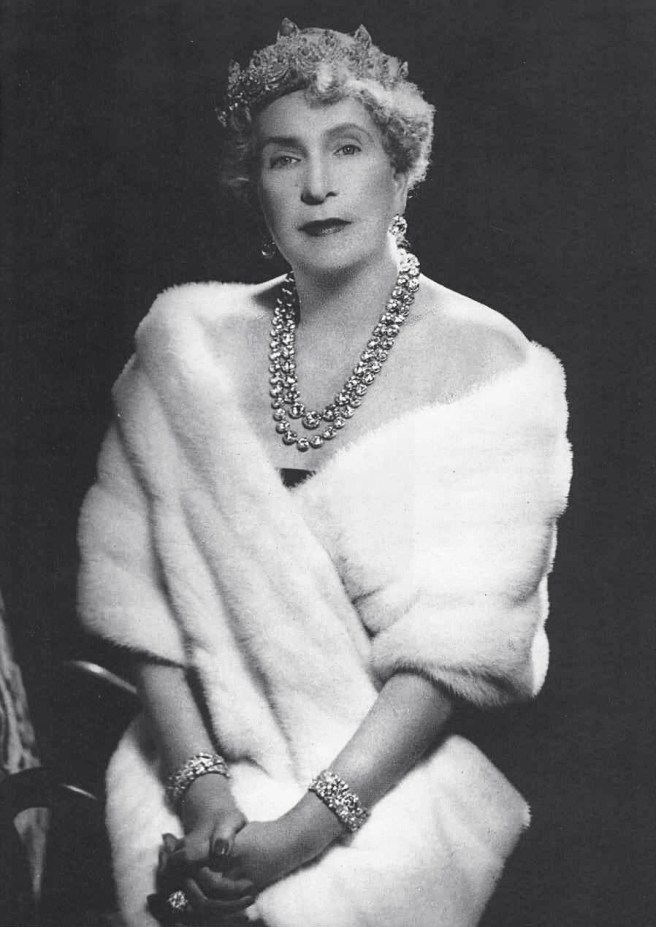
Cartier Stomacher
Emerald Brooch



Follow