



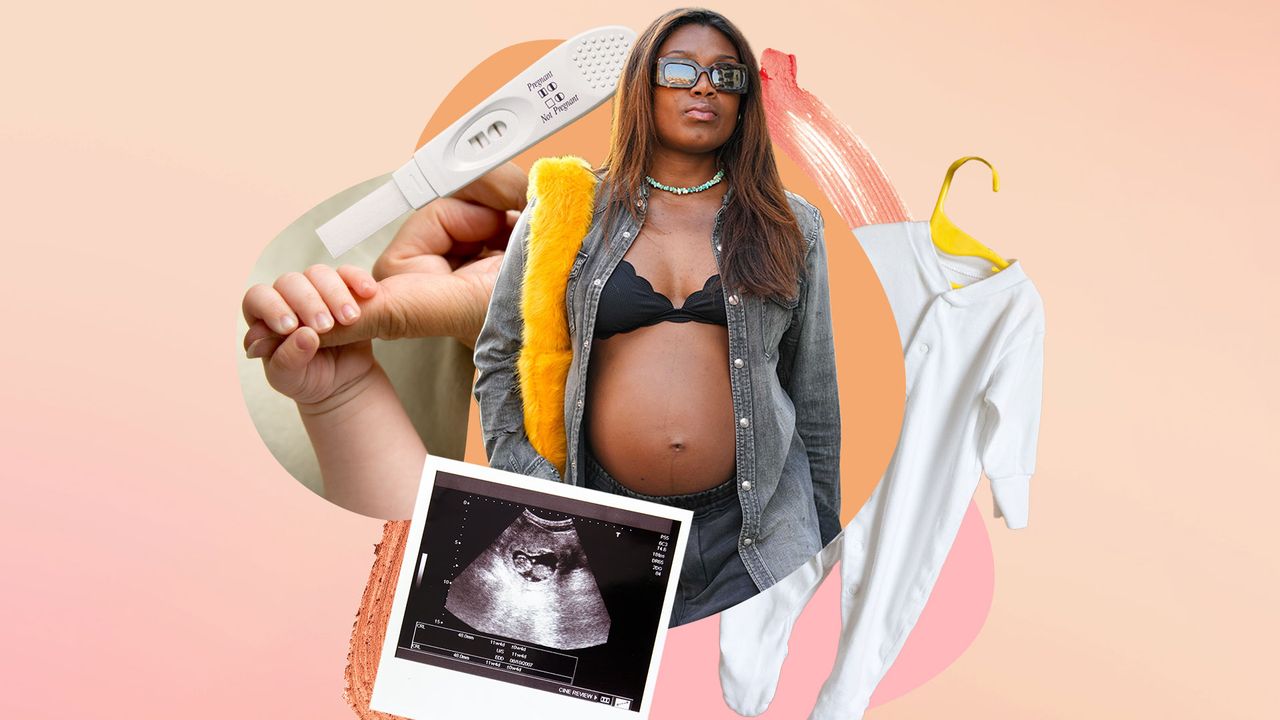
“Too posh to push,” declared the tabloids when new NHS data revealed that caesarean births have overtaken vaginal deliveries in England for the first time.
Last year, 45% of births in England were delivered via caesarean section, compared with 44% of vaginal births, while a further 11% were assisted using instruments such as forceps or ventouse.
What this headline framing obscures, however, are the nuances behind the numbers. Among women under the age of 30, vaginal birth remains the most common method of delivery. For women aged 30 and over, caesareans are more prevalent — a trend that becomes even more pronounced with age. Nearly 59% of births among women aged 40 and above were delivered by C-section.
Overall, 20% of births in 2024–25 were planned caesareans, while 25.1% were emergency procedures — both figures reaching record highs.
Against this backdrop, and amid the swift and often judgmental reaction to these statistics, we revisit Christiana Spens’s essay on why birth-shaming women must end, and why the damaging mythology of the ‘natural’ birth deserves to be dismantled once and for all.
The trope of the ‘natural birth’ has been in our vocabulary for at least a century – as just another harmful expectation that weaves its way into the fabric of womanhood. More research is needed on this often-overlooked issue, but a recent US study into perceptions of birth found that 15% of new mothers who had an unplanned C-section felt feelings of “failure” afterwards.
Here in the UK, 2022’s shocking Ockenden review revealed disastrous maternity care failures in Shrewsbury and Telford, in which it was determined that 201 babies and nine mothers who died would have been more likely to live if they had received better care. In September 2023, a Telegraph investigation found that UK hospitals are still promoting a ‘natural birth is best’ approach, despite these recent maternity scandals.
Medical misogyny is at the root of these tragedies, as well as the systemic effects of austerity measures, and the wider obsession with aiming for ‘natural’ birth even when it puts mothers and their babies in grave danger. Just like Sienna Miller, so many women feel that there is a ‘perfect’ way to give birth because of these pressures.
When I had my own son, just over seven years ago, I was pressured to have a ‘natural’ birth despite prior complications (I was in the hospital with suspected pre-eclampsia a couple of weeks before) and my own instincts.
Instead of having an elective caesarean, which I would have preferred, I went through a traumatic, 23-hour labour in which I could barely move for the agony, with no pain relief for the first 14 hours, despite repeated, desperate requests.
Because there were no beds in the maternity ward, I was forced to spend most of my labour on a postnatal ward, with very little privacy, and people’s families dropping by for visiting hour. When I finally got to the labour ward, having been ignored and dismissed for about 20 hours, it was discovered that the baby was in the wrong position. The hospital had cut the last scan in pregnancy due to the austerity measures and had not paid much attention to me otherwise, so they only noticed this now.
To have a baby in the wrong position is extremely dangerous; though sometimes it can turn around very late in the game, it’s very risky.
The hours went on; I asked for an epidural due to the searing, horrific pain, but was repeatedly refused. At the very end, when they thought I would give birth in the next half an hour, and it was officially ‘too late’, they caved in and gave me one. This, it turned out, would help save my son’s life.
He did not just ‘turn around’ last minute, and after over half an hour of pushing (with the baby still in the wrong position), his heart rate started to drop. A doctor was called in and very quickly they tried a ventouse (a vacuum cup) in some attempt to suction him out, and then forceps, clamping his head with a metal instrument – but both failed. Because I had already had an epidural, they were able to wheel me into surgery more efficiently, as his heart rate continued to plummet.
Luckily, they got him out in time, as I lay crying in the operating theatre. When the baby started crying, I was so traumatised that I couldn’t hear him – the midwife had to tell me, ‘that’s your baby, that’s your baby crying,’ before I realised. They wouldn’t let me see or hold him for over half an hour though, so I kept asking them what he looked like, so I could imagine the baby I had just had, as they stitched me up (and changed shift whilst doing so).



Follow