



My baby has Disney princess eyes and beautiful golden curls. She loves sparkles and glitter and chocolate and being truly, diabolically naughty. She has been told how lovely she is her whole life. She’s not a fucking werewolf.
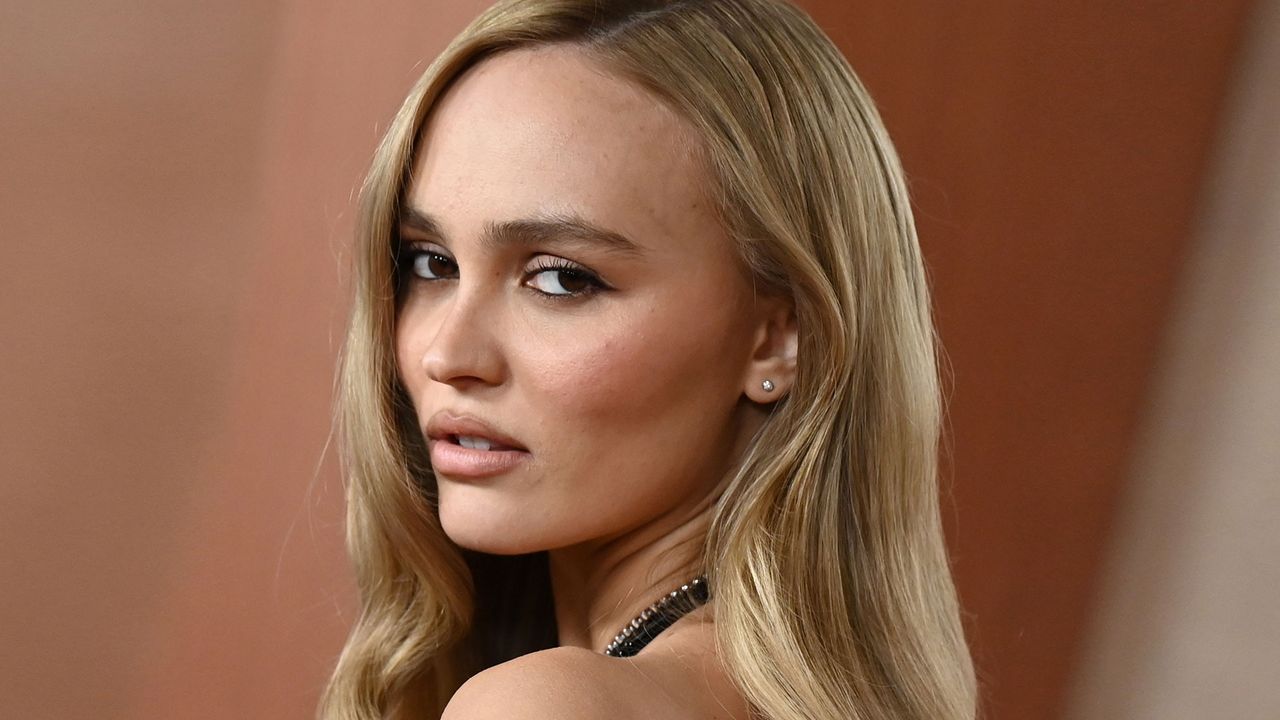
Some people have criticised Lily-Rose Depp’s casting in period pieces due to her having an ‘iPhone face.’ It’s a beauty standard that valorises symmetry, something that I know no matter what surgeons do, my daughter is unlikely to achieve.
She won’t meet the identikit beauty standard of full lips, big eyes, high cheekbones and button nose. But then again, nor do I. I have never been wedded to the pursuit of beauty. While I no doubt benefit from ‘pretty privilege’ to an extent, I am conventionally attractive, but quirky. Beauty has never been my currency. My face is not symmetrical, nor are the faces of most people I love.
We all know the devil works hard, but beauty capitalism works harder. The most beautiful women in the world are having facelifts in their 30s, and girls are starting ‘tweakments’ in their teens.
If ‘tweakments’ are like Pringles and once you pop, you can’t stop, how can we promote self-acceptance in young girls? How can I convince my baby that she’s enough?
My daughter is hypothetically entitled to unlimited state-funded surgery to ‘correct’ her cleft. Her surgeons promised us that they would endeavour to make her look like someone who wasn’t born with a cleft. But is that possible? And is it necessary? How far from ‘werwulf Lily Rose Depp’ will be far enough to feel beautiful?
I look around as women who have been born with every aesthetic advantage live-stream the results of their surgeries. My Instagram algorithm is clogged up with young women (and they are YOUNG) who are having nose jobs/buccal fat removal/salmon sperm injections or even their hairline lowered. I have never wanted any of those things, but my sex, age and shopping habits seem to make my phone think that I do.
This dystopia plumbed new depths when American actress, Shay Mitchell recently released a skincare range aimed at children. I watch my husband rub scar cream into my baby’s lip and think of all the other perfect babies with their sheet masks on, worrying about fixing a problem that is yet to exist.
My job as a mother is to fill both my girls with confidence and self-esteem. We don’t talk about other people’s appearances, and I never speak negatively about mine. I show them I value funniness and kindness. I tell them how much I love their company. I want them to know that all the things that make them, them make them beautiful, including their peculiarities. Including their scars.
I don’t think we were ever supposed to see so many ‘beautiful’ faces. We are saturated with perfect symmetry and comparing ourselves to faces that aren’t real. Take away the phones. Throw Instagram face into the sea. The faces that look best on social media often look the weirdest in real life.
I grew up in the era of size zero. I took a while to grow into my face. I was wildly insecure as a teenager and well into my twenties, and then one day I decided to change my mind. One day I woke up and decided that I must be beautiful. Conventionally or otherwise, everyone is beautiful to someone, and this is an acceptance that should be becoming easier, not harder. The cleft campaigner, Ashley Barbour, writes:



Follow