


Monday, 09 February, 2026
London, UK
Monday, February 9, 2026 4:04 PM
overcast clouds 8.1°C
Condition: Overcast clouds
Humidity: 87%
Wind Speed: 18.5 km/h

11 Best Greek Islands To Visit in 2026, According To A Travel Writer

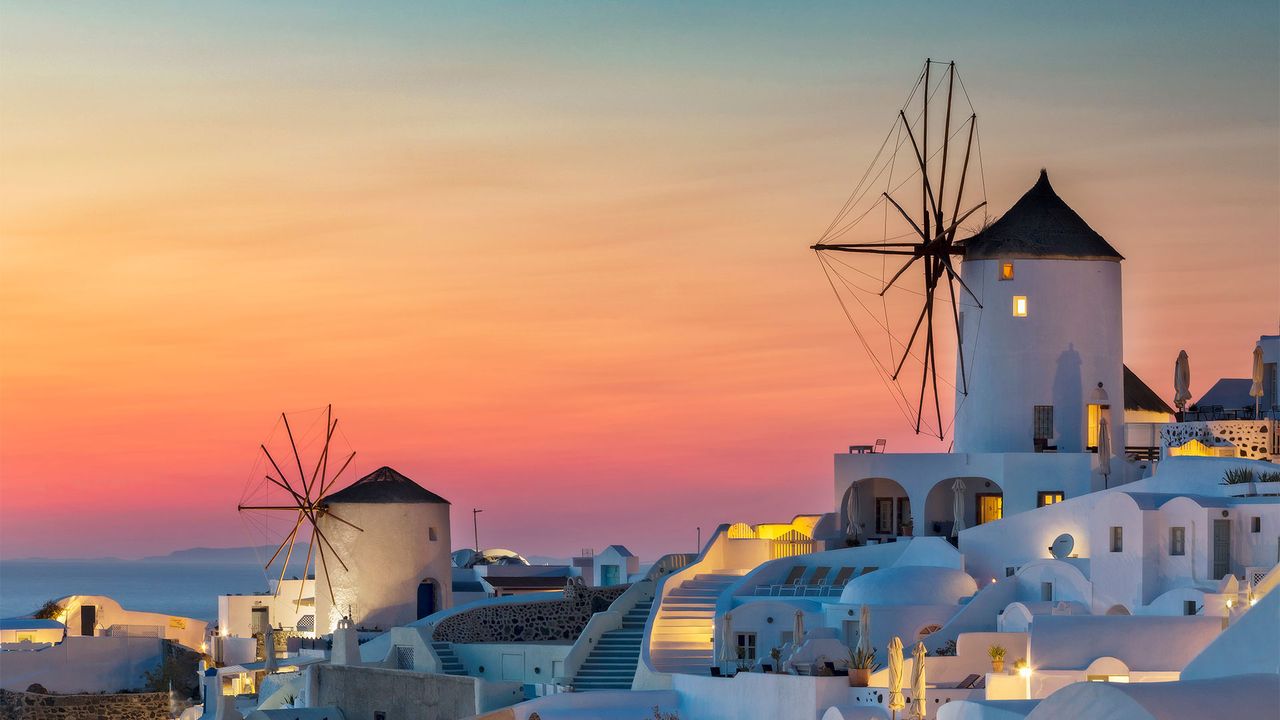
Deciding which of the best Greek islands to visit on your next Mediterranean sojourn can be difficult. Scattered in clusters across the Aegean, Mediterranean and Ionian seas, there are over 200 (!) inhabited Greek islands – most of them impossibly beautiful, yet all offering something unique.

Tapping into 2026’s inclination towards slower, more intentional travel, we’ve also included some of the more under-the-radar, quieter Greek islands. Despite having some of the best beaches in Greece, the small yet breathtaking islands of Paxos and Antipaxos are still overlooked by most tourists. Similarly, sleepy Folegandros, a tiny dot on the southern Cycladic coast, boasts fantastic cliffs for hiking and serene beaches where, particularly in the shoulder seasons of May to early June or September to early October, you’re unlikely to bump into other holidaymakers.

Of course, the big hitters like Santorini, Mykonos, Crete and Corfu need no introduction. While the peak summer months of July and August see the sunset-snapping crowds flock en masse to these islands, they are undoubtedly some of the best places in the world for honeymoons and girls’ weekends away.

How did we choose the best Greek islands?

Glamour’s travel guides and hotel reviews are compiled by our well-travelled journalists who have an in-depth knowledge of the destination. Our editors have spent time getting to know the area and have stayed in various types of accommodation, from the grande dame hotels to the lesser-known hidden gems and self-catering options.

Here, we’ve edited down the best Greek islands to our 11 favourites, based on our own personal experiences, accessibility and knowledge of the area. But this is by no means a definitive list, and each island offers something unique to fall in love with…



LP Staff Writers

Writers at Lord’s Press come from a range of professional backgrounds, including history, diplomacy, heraldry, and public administration. Many publish anonymously or under initials—a practice that reflects the publication’s long-standing emphasis on discretion and editorial objectivity. While they bring expertise in European nobility, protocol, and archival research, their role is not to opine, but to document. Their focus remains on accuracy, historical integrity, and the preservation of events and individuals whose significance might otherwise go unrecorded.

Categories

Follow

    Newsletter

    Subscribe to receive your complimentary login credentials and unlock full access to all features and stories from Lord’s Press.

    As a journal of record, Lord’s Press remains freely accessible—thanks to the enduring support of our distinguished partners and patrons. Subscribing ensures uninterrupted access to our archives, special reports, and exclusive notices.

    LP is free thanks to our Sponsors

    Privacy Overview

    Privacy & Cookie Notice

    This website uses cookies to enhance your browsing experience and to help us understand how our content is accessed and used. Cookies are small text files stored in your browser that allow us to recognise your device upon return, retain your preferences, and gather anonymised usage statistics to improve site performance.

    Under EU General Data Protection Regulation (GDPR), we process this data based on your consent. You will be prompted to accept or customise your cookie preferences when you first visit our site.

    You may adjust or withdraw your consent at any time via the cookie settings link in the website footer. For more information on how we handle your data, please refer to our full Privacy Policy