



I remember my mother, throughout my childhood, talking on the phone almost daily with my paternal grandparents. She organised meals with them. She bought their birthday and Christmas presents. She reminded my father to call. Time passed, and my parents separated. But by then, my father’s family was already like a second family to my mother. After all, she’d put in the hours. I’ve since learned that all of this has a name: introducing the kinkeeper.
The kinkeeper is seen as “family members who help enable and assist family communication, plan family gatherings, and help the family keep in touch,” per Psychology Today. What a nice role – the glue holding together personal relationships! Right? Well, yes, but at times like Christmas, it can be just one more thing that adds to the mental burden that tends to fall disproportionately on women.
I had not even considered that all of the mothers, grandmothers and aunts who were doing the work of being the ‘family glue’ had a name.
The kinkeeper often takes on an invisible (but no less exhausting) role. She takes responsibility for keeping in constant contact with family and friends. Calls, messages, an updated agenda of birthdays and important events. Just as my mother was in charge of reminding her ex-husband when his mother’s birthday was, thousands of women continue to do the same with those closest to their own partners.
This role also extends to personal relationships. In addition to managing and scheduling meetings, the kinkeeper actively participates in them. She knows everyone’s personal circumstances, talks to everyone, and, in short, is on the ball. All of this mental effort is a burden and leaves her – well – tired. And during the Christmas holidays, with so many family members around, this can turn into exhaustion.
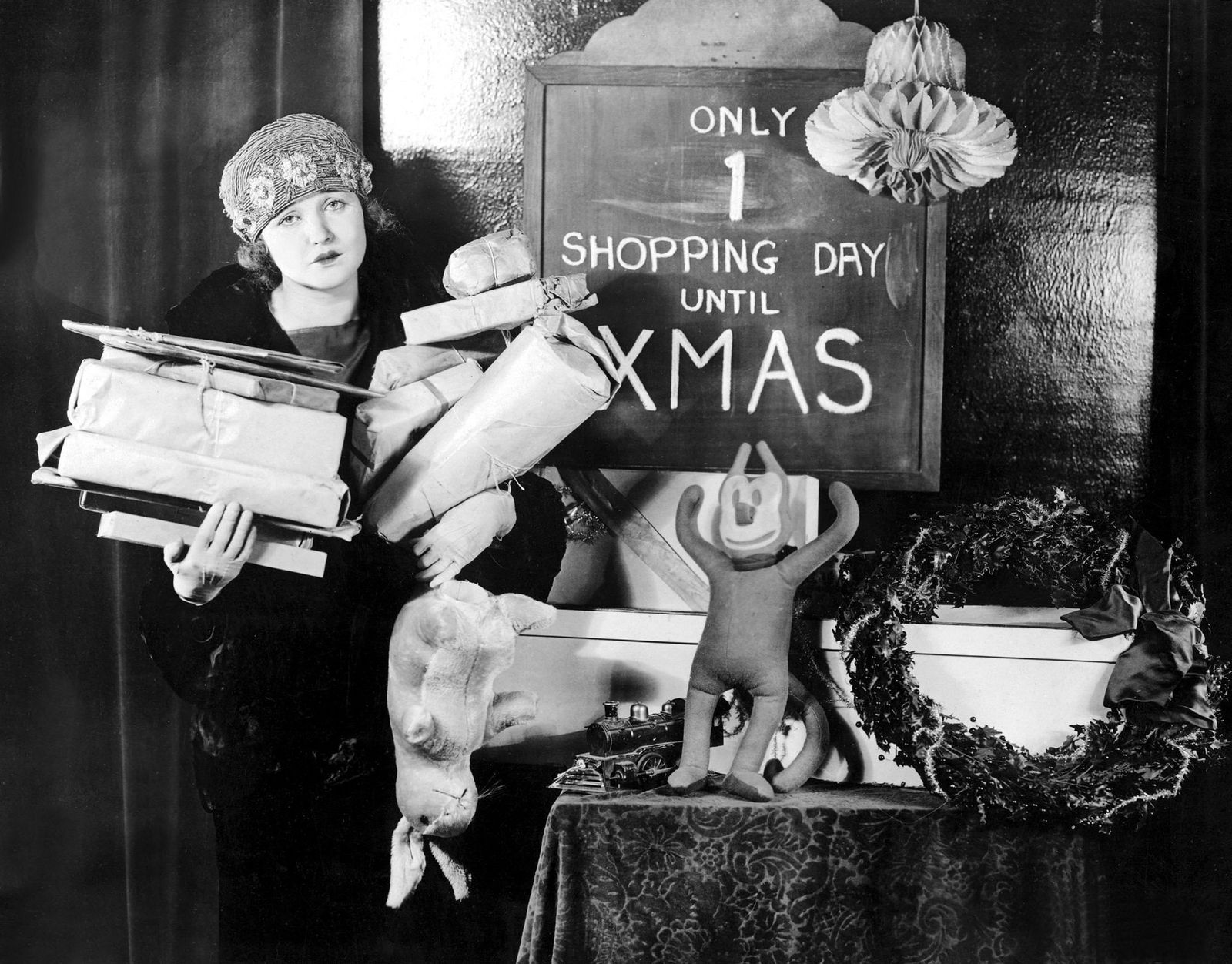
© Cordon Press



Follow