



Social media began to shift into its current form in 2017. “Posts that made people feel strong emotions like anger or fear were shown more often because they kept users clicking and scrolling,” King says. “After 2019, with apps like TikTok and the rise of short videos, this trend grew even stronger. These quick, personalised videos are designed to grab attention, often by using controversy or conflict. As a result, people now spend more time in digital spaces filled with emotional content they did not choose themselves.”
Social media also didn’t feel like something isolating us, but rather, something that could bring us together. Take, for instance, the Pokémon Go fad, which took people outside into the real world. “Pokémon Go, which launched in July 2016, is a clear example of why that year feels special,” King notes. “It made technology feel connecting instead of isolating. Looking back, this is the opposite of what people felt during the pandemic, when movement and social contact were limited, and daily life felt more separated.”
TikTok content
Politics also felt vaguely hopeful. No one (at least no one in the left-leaning bubbles we all seemed to live in) really believed that Brexit or the rise of Trump would become a reality. No, instead, we believed that we were on the cusp of the first female president and a satisfying quashing of the creeping threat of the far right.
2016 was, King says, the year before politics became defined by questions of identity and emotional manipulation. “These events turned complicated political issues into questions about personal identity and belonging,” King says. “In the UK, the Brexit vote turned a complex topic into a simple choice, which quickly became tied to class, location, education and culture. In the US, the election made politics feel like a fight between ‘ordinary people’ and elites, fuelling blame and exclusion. In both countries, arguments became less about policies and more about identity and values, which feels more personal and threatening.”
When we look back to 2016, it might be the last time that public life felt shared – and even if that was something of an illusion, hope reigned.
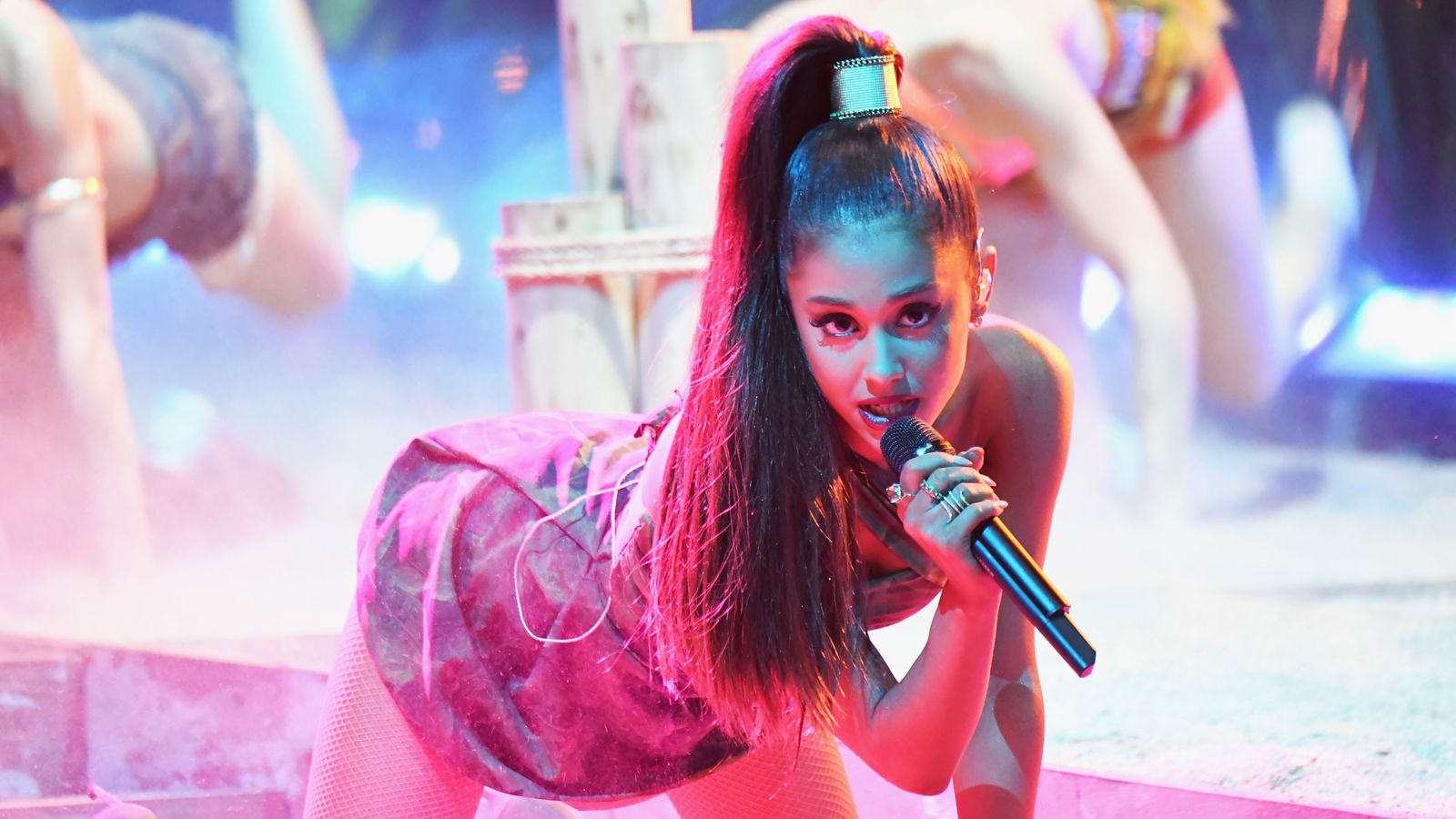
Jeff Kravitz/AMA2016



Follow