



LONDON — European leaders rushed to praise Donald Trump’s announcement of a peace deal in the Middle East. Now they’re not so sure they want anything to do with it.
Trump promoted his “Board of Peace” as an integral part of his plan for post-conflict governance in Gaza from the start, sparking jockeying for position on the panel.
Now that details of the board’s operation have come into focus, they have triggered alarm among some key European allies who were due to be part of it.
In particular, skeptics point out that the board’s charter makes no direct reference to Gaza and appears to hand it a broad mandate to resolve global conflicts which some fear could effectively create a shadow United Nations.
The decision to invite Russian President Vladimir Putin to participate has in particular unnerved America’s traditional allies on the continent, and countries seeking a permanent seat on the peace board have been asked to contribute at least $1 billion to participate, creating another political obstacle.
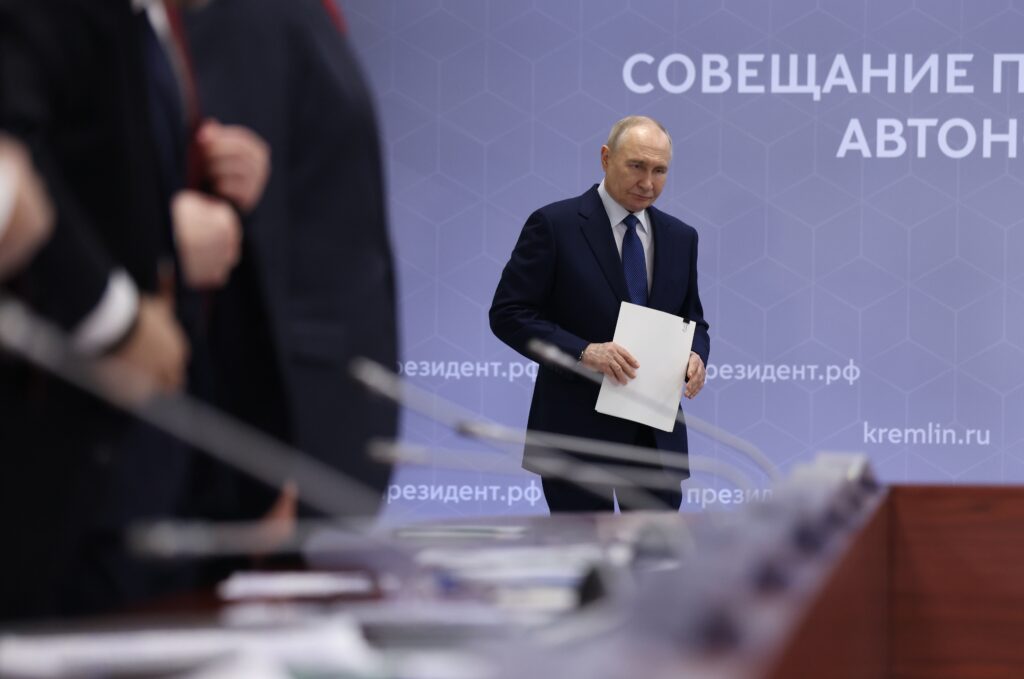
These terms are proving too much for some European leaders to bear, with misgivings even among those seen as friendly with the White House such as Italy’s Georgia Meloni and Poland’s Karol Nawrocki — just as Trump’s effort to acquire Greenland has driven a wedge between him and his most fervent political supporters in Europe.
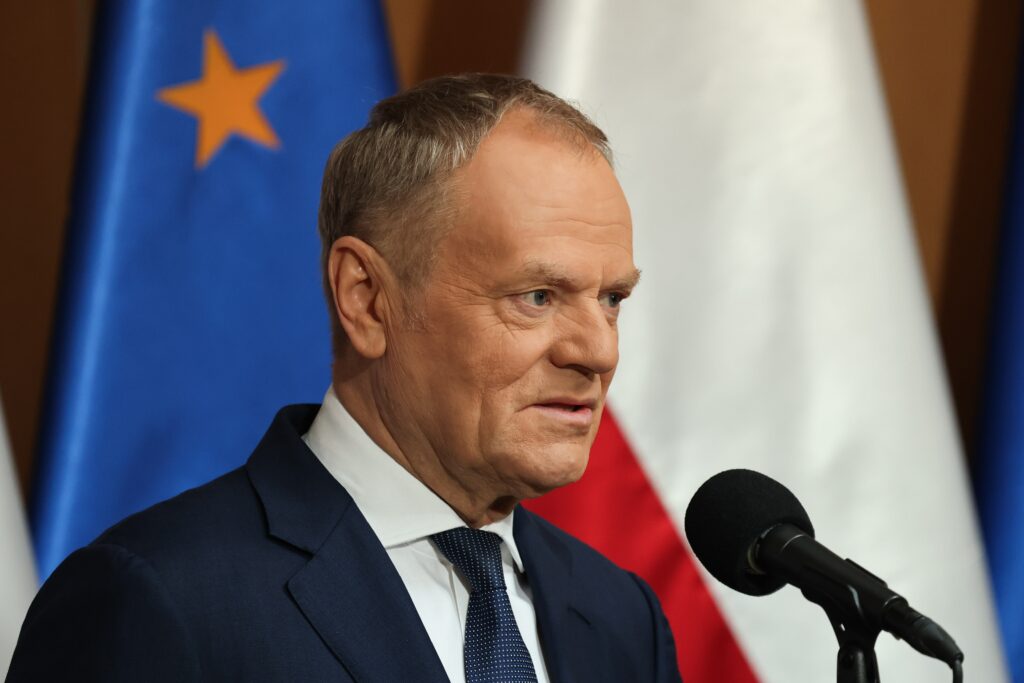
Polish Prime Minister Donald Tusk summed up the mood among Trump’s detractors when he posted on X: “We will not let anyone play us.”
Hold-outs abound
Proposals for the Board of Peace have been greeted with consternation in a number of countries, deepening the transatlantic rift opened by the U.S. administration’s designs on Greenland.
Meloni is considering declining participation in the Gaza Board of Peace despite her close relationship with Trump, according to Italian media reports, and said Wednesday that she needs more time to review.
The Italian prime minister is facing splits inside her government coalition, with senior figures from the center-right Forza Italia publicly urging Meloni to refuse the U.S. plan while the right-wing League is more favorable. In a further complication for Meloni, there are concerns that joining the new supranational body could violate the Italian constitution.
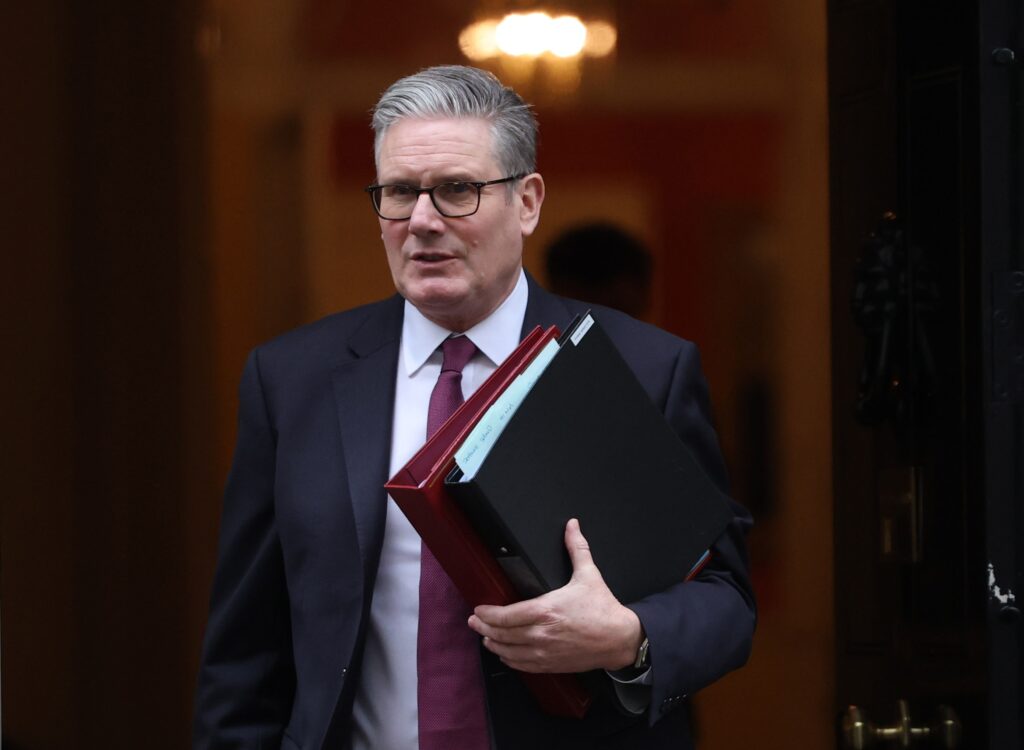
Britain’s Keir Starmer, who has until recently been extremely reluctant to directly criticize Trump, also appears to be cooling on the idea.
He gave his strongest rebuke to Trump yet as he said he “would not yield” over Greenland in remarks to the House of Commons — words which, while addressing a separate matter, hinted at a new robustness in the British posture.
A spokesman for Starmer said the U.K. was “still looking at the terms” and expressed “concern” about Putin and Lukashenko’s inclusion.
His foreign secretary, Yvette Cooper, is skeptical about Trump’s plan, according to U.K. officials, and has been at pains to discuss Palestinians’ role and “global cooperation” during meetings at Davos.
French President Emmanuel Macron rejected the offer outright, with his office saying the board’s charter “goes beyond the framework of Gaza” and “raises serious questions” about undermining the U.N.
The Dutch have also declined to take part, while a Danish diplomat, like others granted anonymity to discuss a sensitive topic, told POLITICO that Copenhagen was not even invited to join.
Ukrainian President Volodymyr Zelenskyy, who is considering whether to take part, said Tuesday it was “very difficult to imagine how we and Russia would be together on a board.”
Putin’s potential role has also provoked Poland, where President Karol Nawrocki, a Trump ally, said in an interview with Republika on Thursday, “If I were to sit in the same format with Vladimir Putin, I would have no difficulty telling him exactly what I think.”
Clambering aboard
However, Nawrocki has not yet made an official decision. MPs from the rightwing PiS party with which he’s closely linked have argued that it is better for Poland to have a seat at the table than not, and that the U.N. is a spent force. Nawrocki said Wednesday after meeting with Trump that he had explained to the U.S. president that he would require government and parliamentary approval before he could commit. “Trump understands this perfectly,” he added.
Germany has welcomed an invitation from Trump but is currently on the fence. European Commission President Ursula von der Leyen is still considering her options, with the topic due to be discussed at a European Council summit Thursday.
While London may not have accepted, Britain will have a voice on the executive committee of the Board of Peace in the form of Tony Blair, the former prime minister who will sit alongside U.S. special envoy Steve Witkoff and Trump’s son-in-law Jared Kushner.
The White House confirmed Trump would “highlight” the Board of Peace at Davos Thursday, noting that around 35 world leaders had accepted out of the 50 or so invitations that went out.
Countries that have publicly accepted the offer of a seat on the board so far include Belarus, Hungary, Kazakhstan, and Vietnam. Jordan, Turkey, Saudi Arabia, Qatar and Indonesia announced Wednesday that they would join Egypt, Pakistan and the United Arab Emirates in accepting seats.
The list also includes Albania, where the government voted Wednesday to join — just as Kushner met with Edi Rama about his huge multi-billion dollar luxury resort investment on the country’s only island.
Trump’s postwar organization may be getting a mixed reception, but there’s no sign it has deterred the man himself.
Anne McElvoy, Gregorio Sori, Gabriel Gavin, Nicholas Vinocur, Alice Taylor and Bartosz Brzeziński contributed to this report.



Follow