



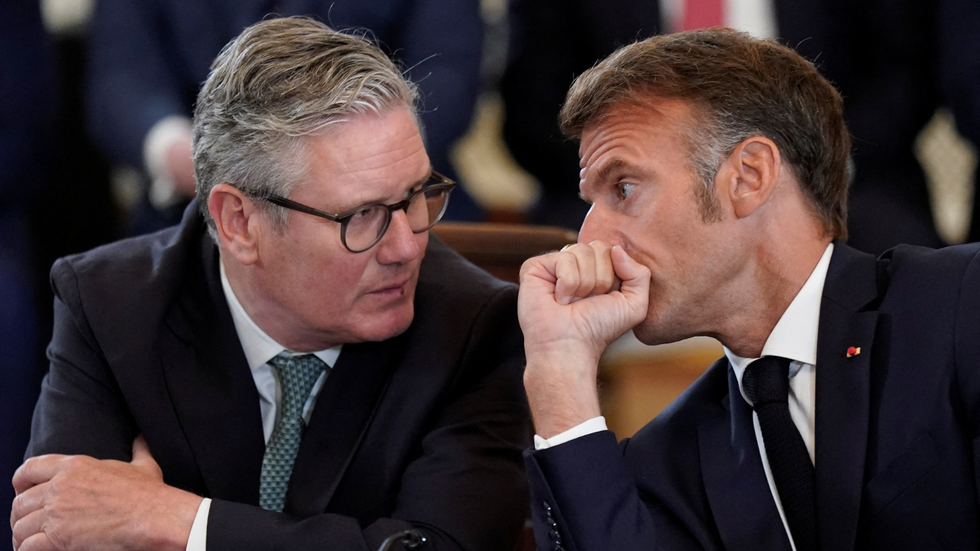
France is taking a hardline stance in cracking down on national media that many fear borders on censorship – with multiple former UK Culture Secretaries warning Britain not to go down the same path.
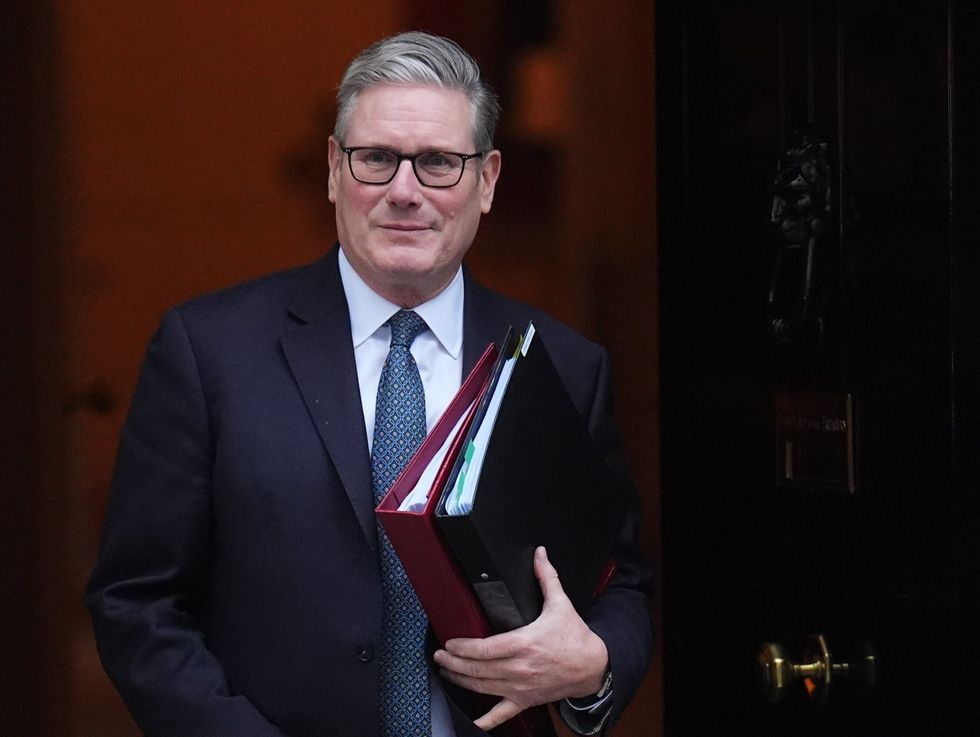
GB News has been told by well-respected former Cabinet ministers that Sir Keir Starmer must not mirror France’s “Orwellian” crackdown against media outlets.
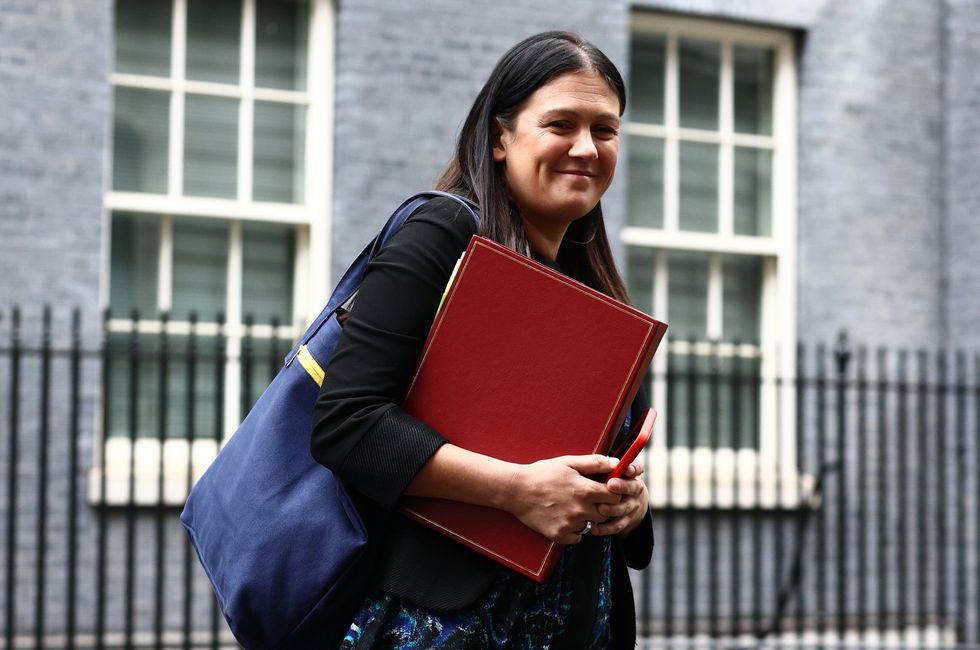
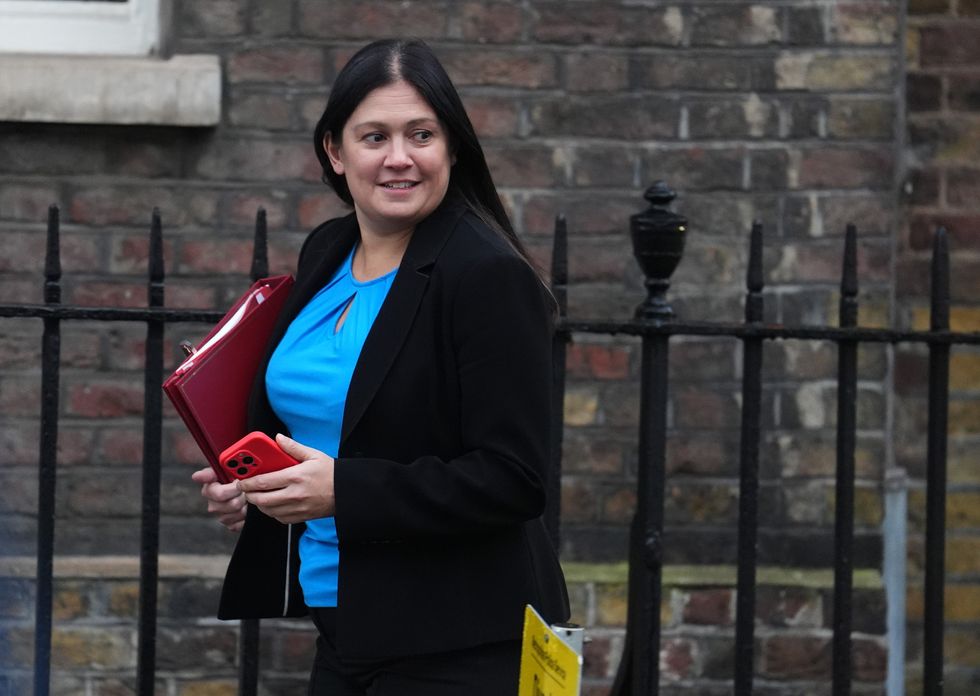
The fears come as Culture Secretary Lisa Nandy is looking at ways to do more to tackle “misleading and false content”, having already blasted Ofcom over the watchdog’s decision to allow MPs to host current affairs programmes.
Ms Nandy has also taken a veiled swipe at GB News after the BBC misled viewers by splicing together Donald Trump’s January 6 speech in a Panorama programme.
After lavishing praise on the BBC for eight-minutes, the Culture Secretary said: “At a time when the lines are being dangerously blurred between fact and opinion, news and polemic, the BBC stands apart. It is a light on the hill for people here and across the world.”
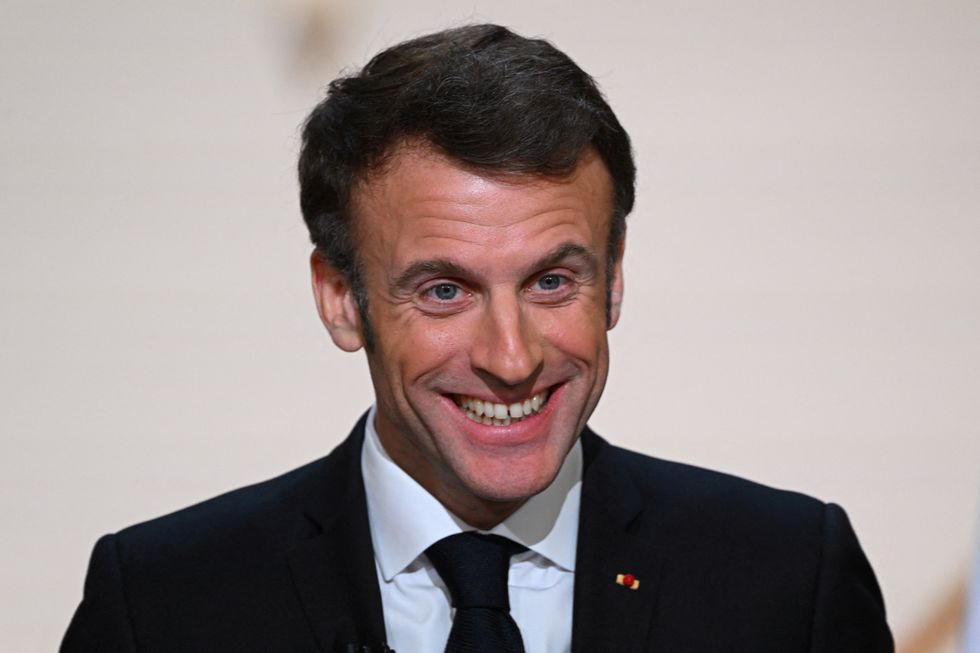
However, there are fears recent developments in France could be replicated in the UK, with Emmanuel Macron looking to denote whether outlets provide “good” or “bad” coverage.
The changes would allow authorities to remove content and block websites that have been deemed to be spreading false information.
Such powers could be even more forceful during an election campaign, with the next French Presidential Election slated for 2027.
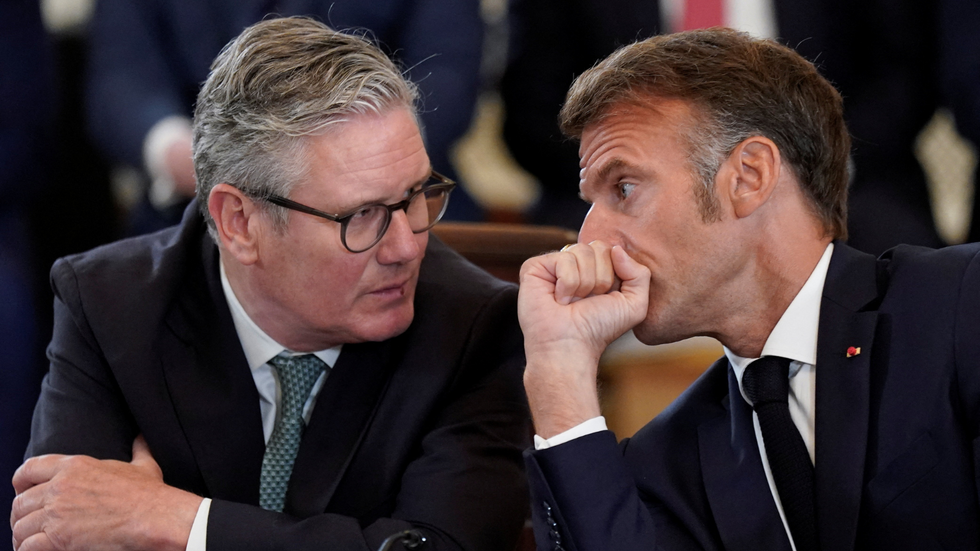
National Rally is leading the race for the Élysée Palace, with Jordan Bardella opening up a double-digit lead over Mr Macron’s protege Gabriel Attal.
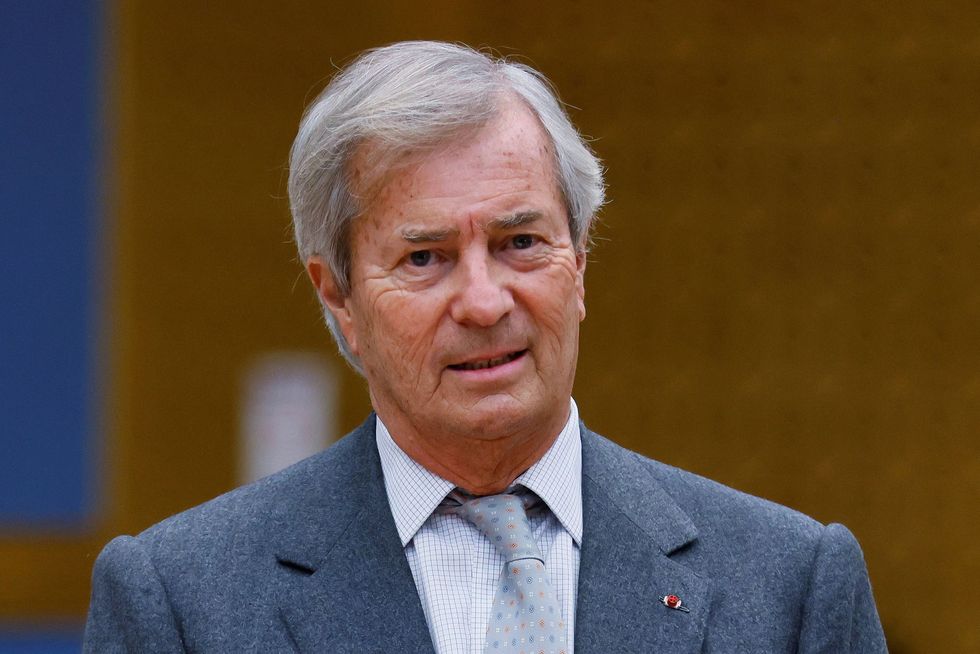
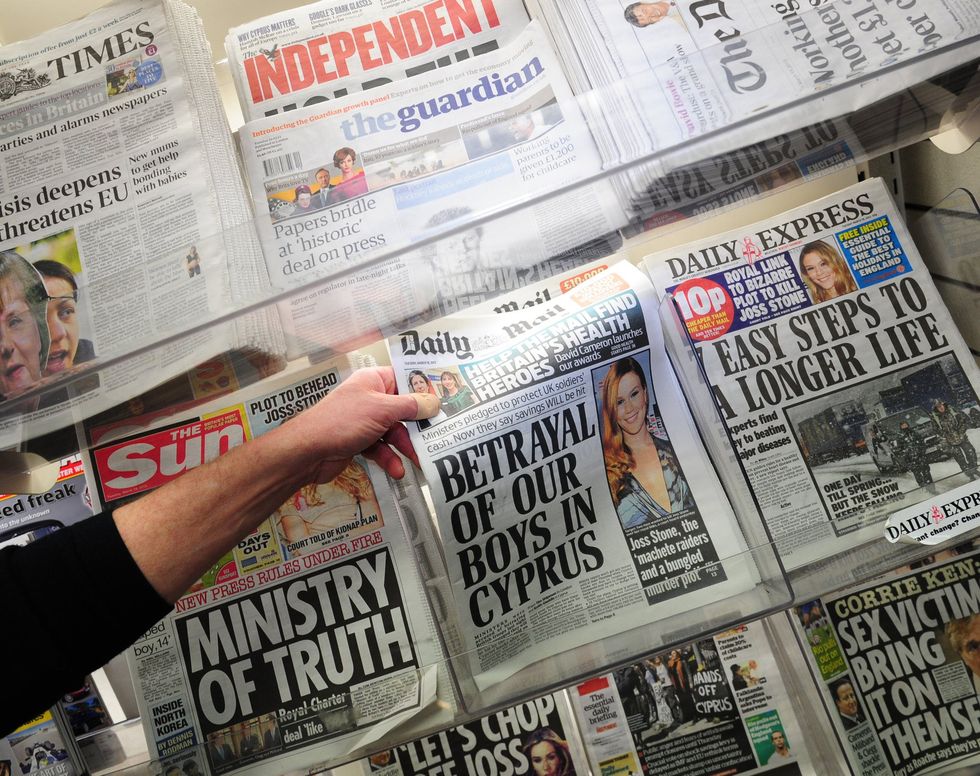
French media tycoon Vincent Bollore last week joined centre-right MPs in rallying against Mr Macron’s “Ministry of Truth” plan.
A pair of former Culture Secretaries have now warned the Prime Minister against pursuing a copycat plan.
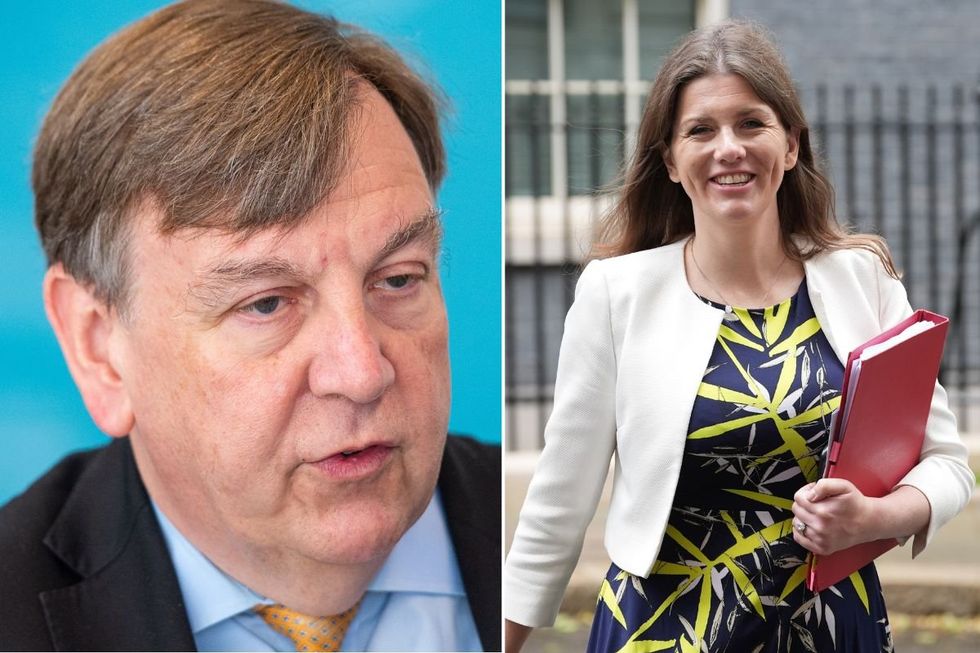
Sir John Whittingdale, who chaired the Culture, Media & Sport Committee for a decade before serving as David Cameron’s Culture Secretary in 2015, told GB News: “Democracy needs a range of trusted voices.
“It is not the job of the state to endorse particular news outlets and any attempt to do so represents a dangerous threat to media freedom and civil liberty.”
Meanwhile, fellow former Culture Secretary Michelle Donelan added: “France’s idea of certifying outlets as ‘good’ or ‘bad’ is a dangerous road.
“The moment the state starts handing out truth-labels, journalism stops serving the public and starts second-guessing the Government.
“And it’s unworkable in the real world. Any outlet can produce a strong piece one day and a flawed one the next – the BBC and Panorama proved that.
LATEST DEVELOPMENTS
- ‘That’s not democracy!’ Emmanuel Macron blasted over ‘dangerous Ministry of Truth plan to control media’
- Bombshell report exposes attempts by Muslim Council of Britain group to censor UK media
- Donald Trump sues the New York Times over ‘intentional and malicious defamation’
“No Government badge fixes inconsistency. Quality comes from proper journalism, scrutiny and openness, not ministers grading the press.
“If Britain ever flirted with this model, it would be a direct attack on the free press and hand ministers a power they should never have – deciding which voices are approved.”
GB News understands Britain’s Department for Culture, Media & Sport currently has no plans to introduce French-style media reform.
However, concerns in the UK have risen following a series of alleged attacks on press freedom.
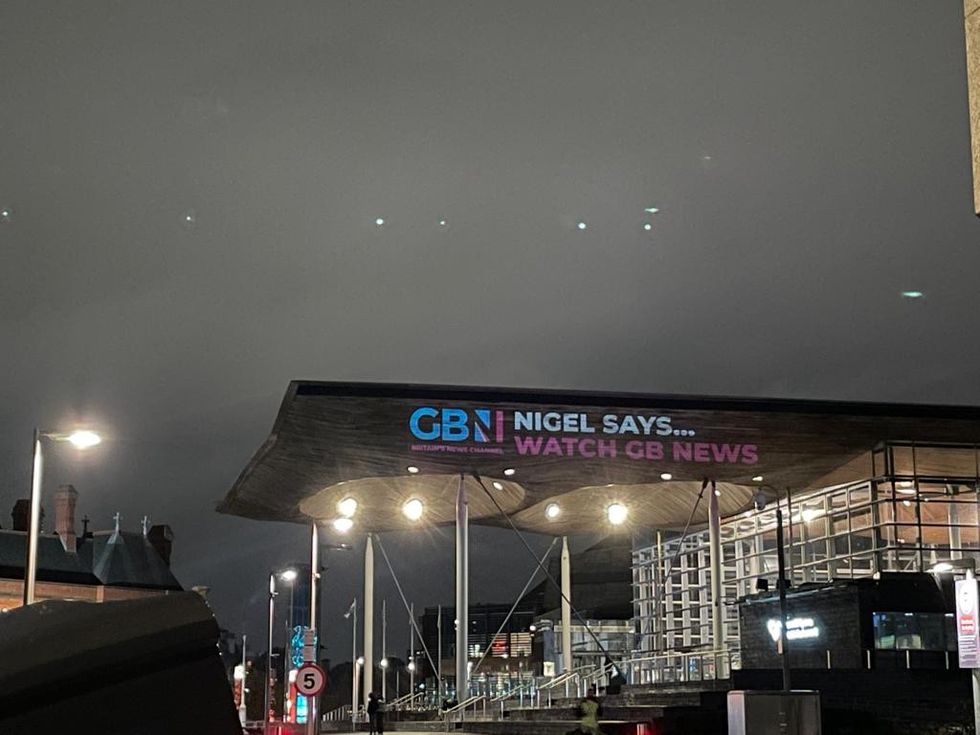
GB News was banned from the Welsh Parliament’s internal servers after being accused of “deliberately offensive, demeaning to public debate and contrary to our parliament’s values”.
Welsh Tory Andrew RT Davies labelled the ban as a major act of “censorship”.
Following reports that the Daily Mail Group could acquire the Daily Telegraph, ex-Shadow Chancellor John McDonnell issued a plea for stricter laws around media ownership regulations.
Meanwhile, Ms Nandy’s warning that GB News shows risk damaging public trust in the media also appears to have overlooked LBC slots also being hosted by Liberal Democrat leader Sir Ed Davey and Deputy Prime Minister David Lammy.
Despite the High Court siding with GB News over Ofcom earlier this year, Ms Nandy is still pushing ahead with measures to make it harder for MPs to host current affairs programmes.
The Sun also faced fury from 107 MPs in 2017 after being accused of having a so-called “Muslim Problem” by “deliberately stoking hostility”.
Other Labour MPs have levied similar attacks at GB News, with Dagenham MP Margaret Mullane accusing the People’s Channel of “stoking the flames” by covering widely held public concerns about the migrant crisis.
However, it has not just been Labour MPs who have voiced support for stricter crackdowns on press freedom.
Tory MP Caroline Nokes suggested in 2023 that GB News should be taken off air.
Meanwhile, then-SNP MP John Nicholson launched a furious personal tirade against the People’s Channel earlier in the same year.
Despite Sir Ed Davey playing a pivotal role in the Post Office scandal, Liberal Democrat deputy leader Daisy Cooper called for an Ofcom investigation into GB News’s coverage, which included interviews with the victims of the fiasco.
It was a similar story during the Brexit years, when ardent Remainers suggested the Daily Telegraph, Daily Mail and Daily Express press had fuelled division by pointing out MPs’ efforts to stifle the UK’s departure from the European Union.
However, concerns about press freedom have also coincided with wider fears about freedom of speech.
The Home Office is also setting up a police unit to monitor anti-migration content online following a backlash over the use of asylum hotels.
Mr Macron first considered the controversial media plan following a meeting with readers of La Voix du Nord.
He said: “I think it is important that there is a certification done by professionals who can say ‘those are people who are serious [and] those are not people who give information’.”
However, the French President caveated his proposal by removing his administration’s input from the classification stage.
“It’s not the Government or the state that can say, ‘this is information, this is not’,” Mr Macron added. “If the state verifies, that becomes a dictatorship.”
Maud Bregeon, a French Government spokeswoman, has since denied any plan for a state-assigned label.
“The Government is not going to create this or that label intended for the press, still less a Ministry of Truth,” she said.
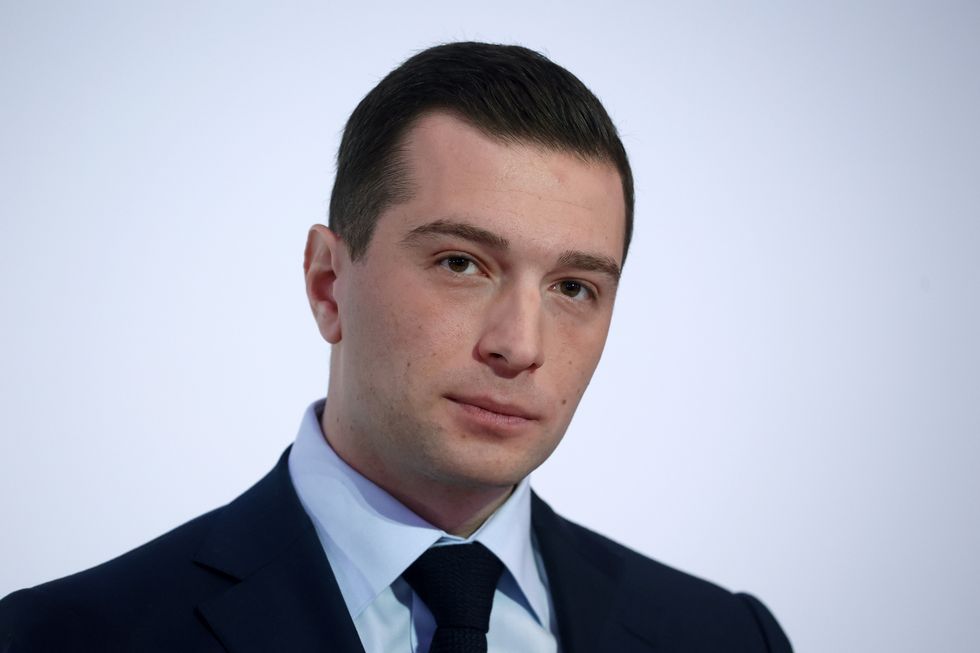
Republican Senate leader Bruno Retailleau is spearheading the backlash against Mr Macron’s alleged attempt to create a “Ministry of Truth”.
The centre-right politician has launched a petition against the “scandalous and dangerous” proposal.
Mr Bardella, who is now president of the National Rally, labelled the plan an “authoritarian temptation” by “a man who has lost power and seeks to maintain it by controlling information”.
Meanwhile, Mr Bollore’s outlets have taken aim at the so-called “totalitarian drift”, with CNews presenter Pascal Praud telling viewers the French President is seeking a “middle way between the Ministry of Truth and Pravda under Brezhnev”.
The centre-left Even Le Monde also suggested Mr Macron was “not the best placed” to lead the fight against misinformation.
In a damning editorial, the publication argued the French President “runs the risk of being suspected of being both judge and jury” and “fuelling the mistrust of the conspiracy theorists he intends to counter”.
However, an influential Labour-leaning think tank published a report about the increasing need for press regulation.
The Fabian Society, which includes Sir Keir and half his Cabinet as signed-up members, released the report in July.
Authors blasted “false accounts of grooming gangs or lurid stories of confected scandals” and suggested the public was “systematically misled about a series of public issues by the press” ahead of the 2016 Brexit referendum.
The authors also argued that the Online Safety Act should be expanded to cover “legal but harmful content” and want a beefed-up version of Ofcom.
One veteran Labour MP, who is in touch with the wider views from the parliamentary party, even suggested to GB News that press freedom should be restricted if outlets are backed by rich and powerful proprietors.
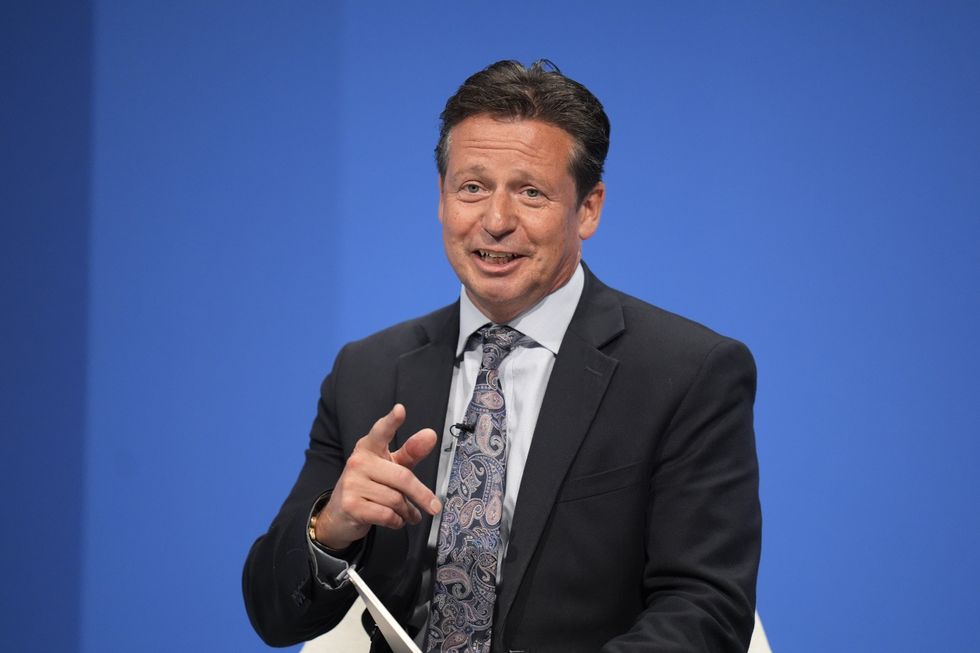
Shadow Culture Secretary Nigel Huddleston is among those holding the Labour Government’s feet to the fire.
“I’m uncomfortable with what France seems to be proposing,” Mr Huddleston told GB News.
“It is absolutely right that media platforms should operate under a licence in order, for example, to stop bad foreign state actors from spreading propaganda or a TV channel that is effectively a front for a terrorist organisation.
“Media licenses should be assessed robustly. It is also important for media organisations to be transparent about whether they are required to be impartial in news coverage or not.”
Mr Huddleston added: “It is important for the public to be able to differentiate fact from opinion.
“But for there to be some kind of official judgement on whether a media outlet is good or not seems a bit Orwellian. Free societies need a free press and diversity of media voices.”
Our Standards:
The GB News Editorial Charter



Follow